Largest solar storm in over 20 years hits Earth
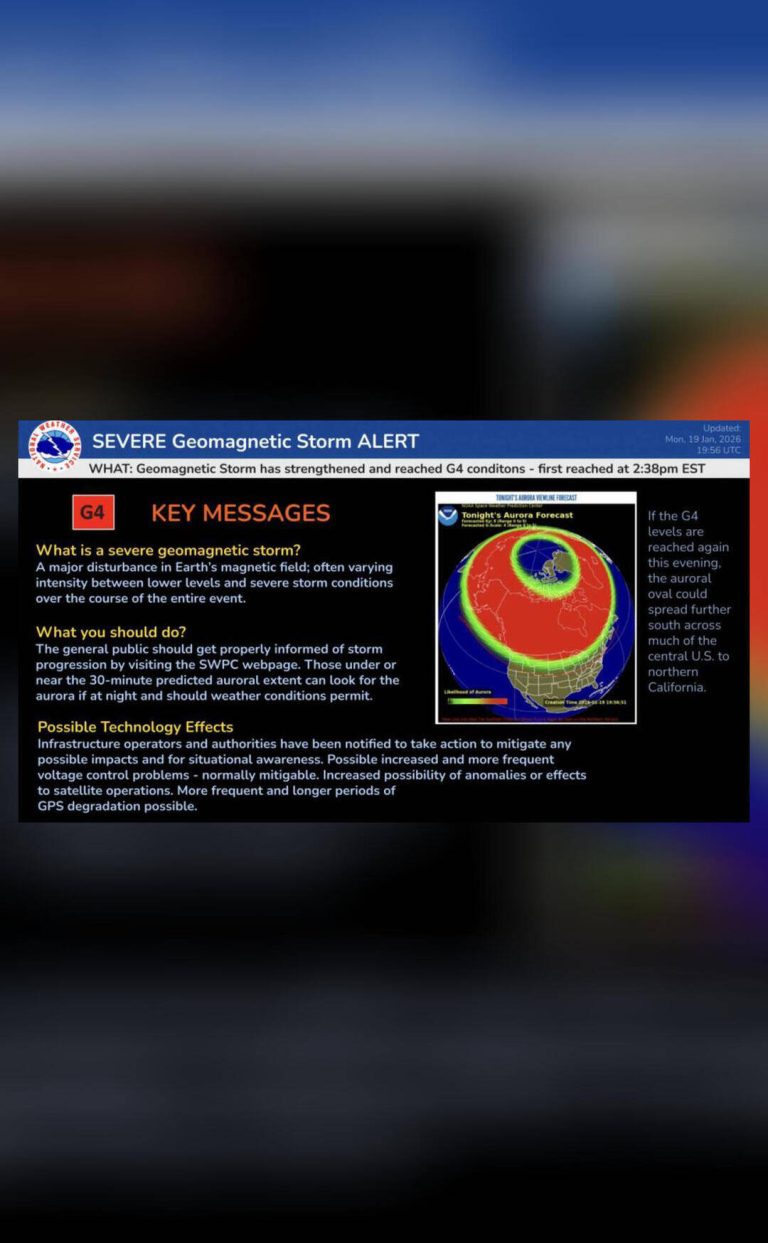
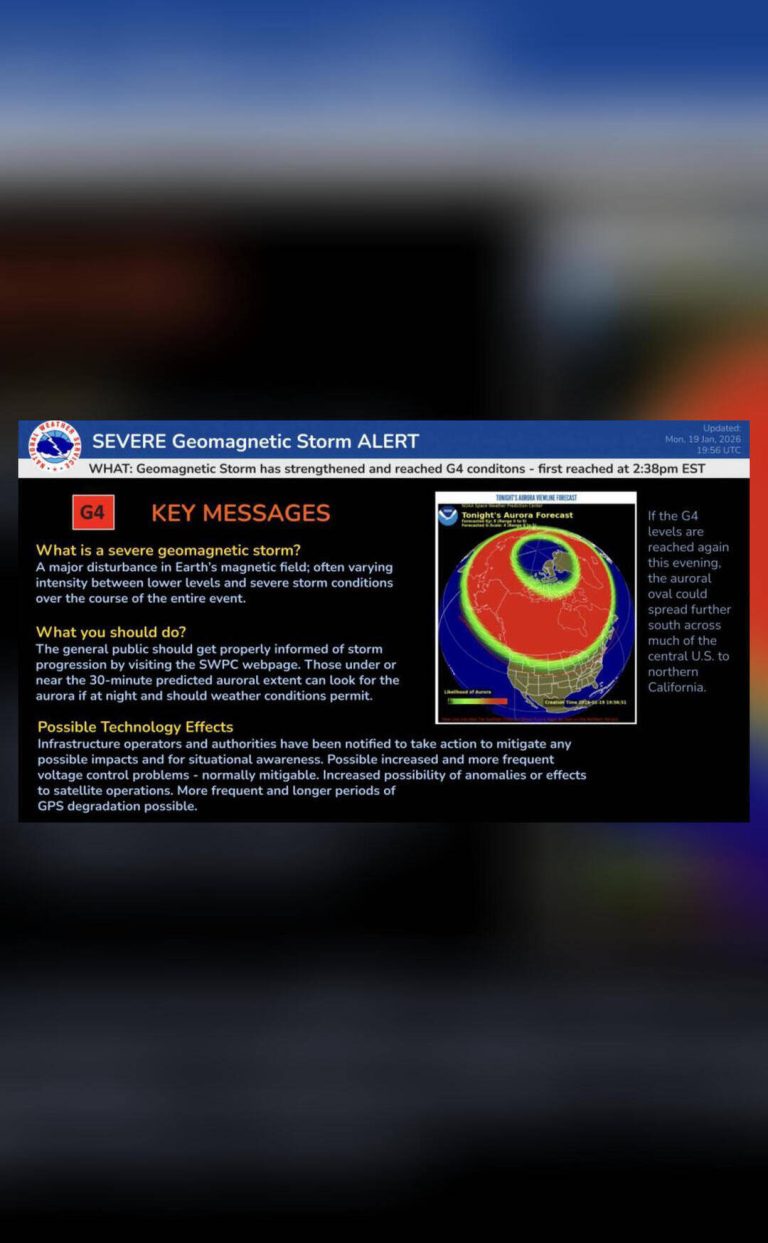
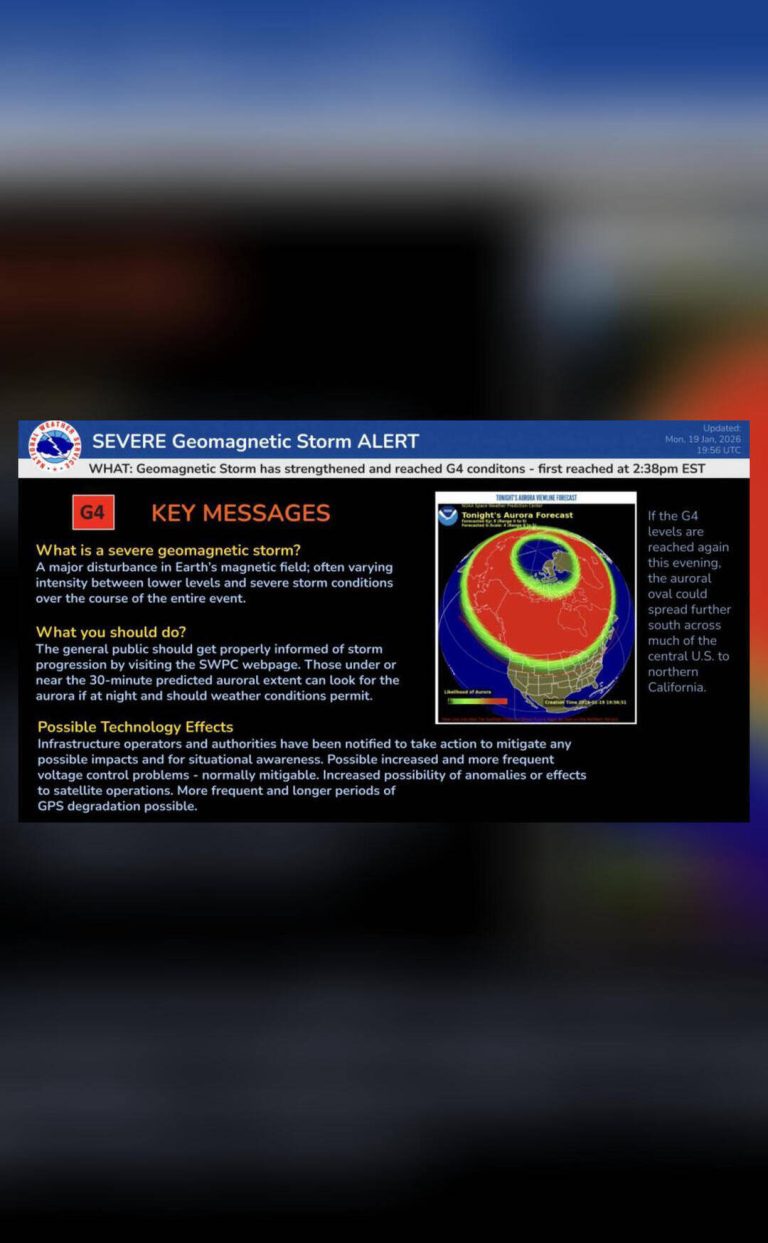
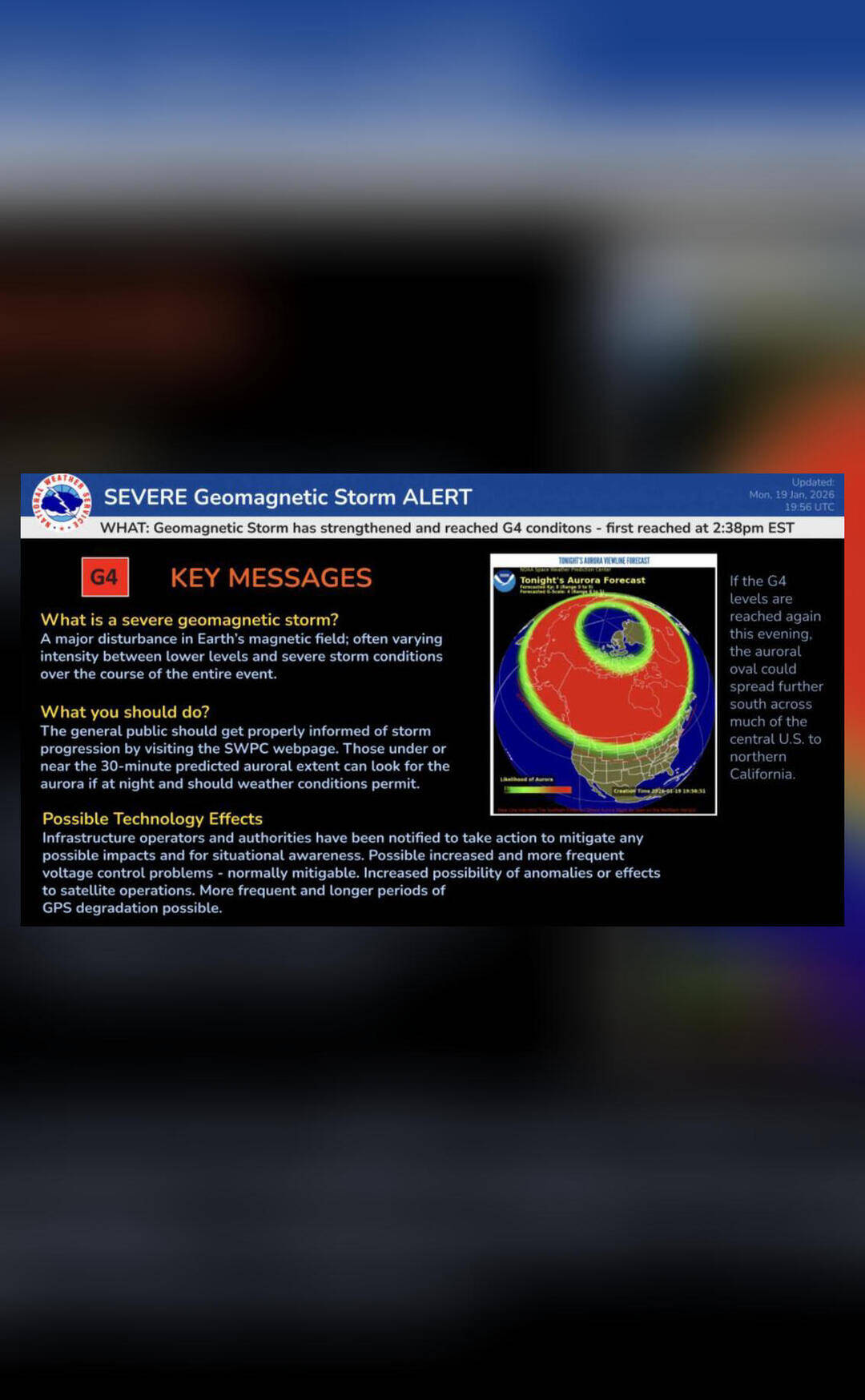
A powerful solar storm hit the Earth and created dazzling auroral displays at several locations across the globe on Monday evening and early Tuesday morning. The largest solar storm in over 20 years could also disrupt satellite-based communications and GPS accuracy. Solar radiation storms can cause increased radiation exposure risks for passengers on flights that are traveling polar routes.
The solar storm, which was classified as a G5-level geomagnetic storm, was the result of a massive coronal mass ejection (CME) that was emitted by the sun on Saturday. The CME was a huge cloud of plasma and magnetic field that was hurled into space at incredible speeds, and it took just over two days to reach the Earth.
As the CME interacted with the Earth’s magnetic field, it caused a significant disturbance in the planet’s magnetosphere. This disturbance led to the spectacular auroral displays that were visible at lower latitudes than usual, with reports of the Northern Lights being seen as far south as the northern United States and the UK.
The auroral displays were a treat for sky gazers, with vibrant colors and patterns dancing across the sky. However, the solar storm also had the potential to cause disruptions to satellite-based communications and GPS accuracy. The increased radiation and charged particles from the solar storm can interfere with satellite signals, causing errors and disruptions to communication systems.
The impact of the solar storm on satellite-based communications and GPS accuracy is a concern for many industries, including aviation, maritime, and telecommunications. The increased radiation and charged particles can cause signal delays and errors, which can have significant consequences for navigation and communication systems.
In addition to the disruptions to satellite-based communications and GPS accuracy, the solar storm also poses a risk to passengers on flights that are traveling polar routes. Solar radiation storms can cause increased radiation exposure risks for passengers and crew, particularly on flights that are traveling at high altitudes and latitudes.
The increased radiation exposure risk is due to the fact that the Earth’s magnetic field provides less protection against solar radiation at higher altitudes and latitudes. As a result, passengers on flights that are traveling polar routes may be exposed to higher levels of radiation, which can increase their risk of radiation-related health effects.
The solar storm is a reminder of the awe-inspiring power of the sun and the potential risks that it poses to our technological systems. While the auroral displays are a treat for sky gazers, the disruptions to satellite-based communications and GPS accuracy, as well as the increased radiation exposure risks for passengers on flights, are a reminder of the need for vigilance and preparedness in the face of solar activity.
As the sun continues to emit CMEs and other forms of solar radiation, it is essential that we continue to monitor and track solar activity, and take steps to mitigate the potential risks to our technological systems and human health. This includes developing strategies to protect satellite-based communications and GPS accuracy, as well as providing guidance and precautions for passengers on flights that are traveling polar routes.
In conclusion, the largest solar storm in over 20 years has hit the Earth, causing dazzling auroral displays and disruptions to satellite-based communications and GPS accuracy. While the solar storm is a reminder of the awe-inspiring power of the sun, it also highlights the need for vigilance and preparedness in the face of solar activity. As we continue to monitor and track solar activity, we must take steps to mitigate the potential risks to our technological systems and human health.
Source: https://x.com/RT_com/status/2013348883477233817
About the Author