95% of AI Pilots Fail to Deliver Meaningful Efficiency: TCS CEO
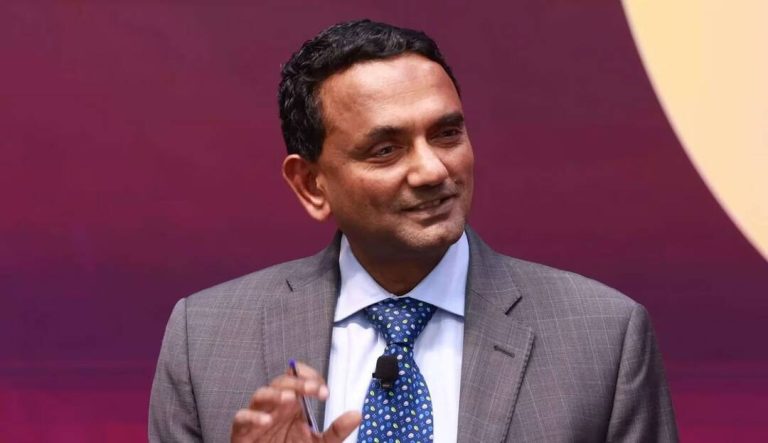
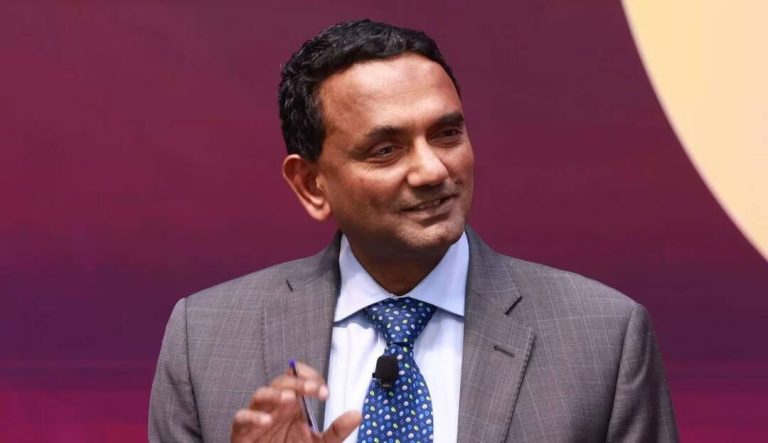
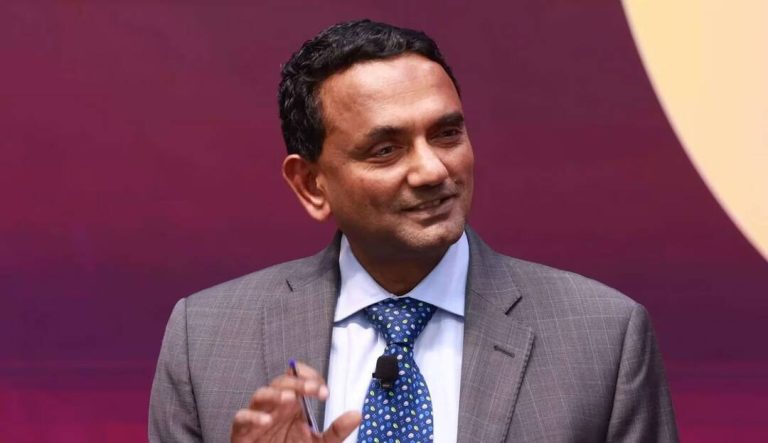
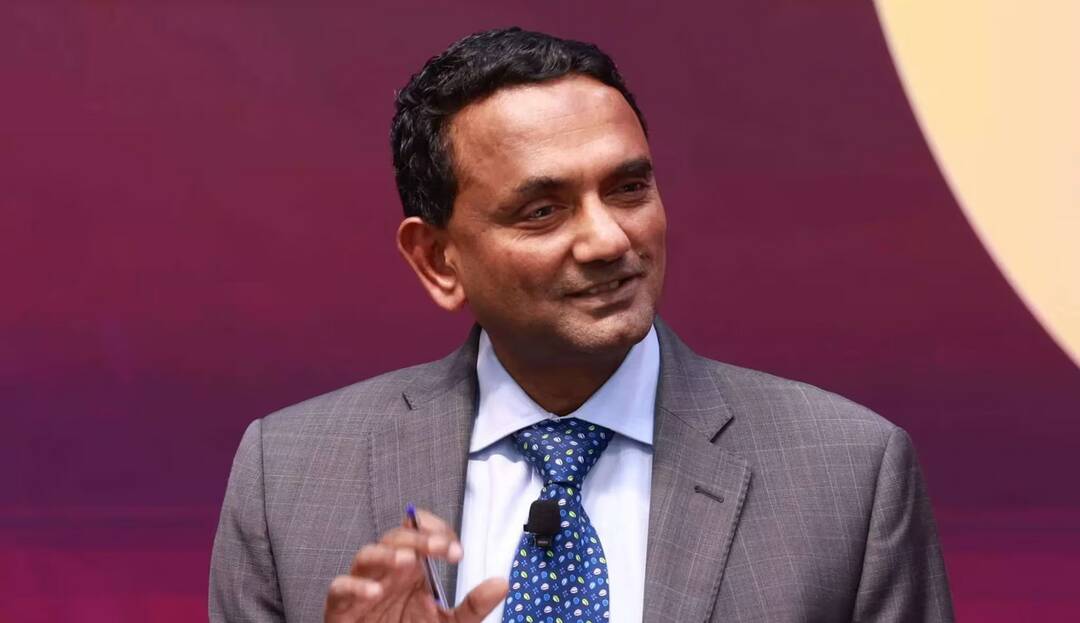
The world of artificial intelligence (AI) has been abuzz with excitement and promise, with many organizations investing heavily in AI pilots to improve efficiency and drive growth. However, according to K Krithivasan, CEO of Tata Consultancy Services (TCS), a staggering 95% of these AI pilots have failed to deliver measurable value. This striking statistic has significant implications for businesses and organizations looking to harness the power of AI to drive meaningful change.
Krithivasan’s comments, citing recent research, suggest that the hype surrounding AI may have outpaced the reality of its impact. While many organizations have jumped on the AI bandwagon, few have been able to translate their investments into tangible results. This raises important questions about the effectiveness of current AI strategies and the need for a more nuanced approach to AI adoption.
As we look ahead to 2026, the landscape of AI is evolving rapidly. Krithivasan notes that a clearer picture of AI’s impact is emerging, one that highlights the potential for AI to transform the way organizations operate. However, this transformation will not be driven solely by technology, but by a new form of organizational intelligence that combines the strengths of humans and machines.
According to Krithivasan, this new form of organizational intelligence will shape how choices are developed, presented, and discussed within organizations. It will require a fundamental shift in how we think about work, one that recognizes the interplay between human judgment and machine learning. By leveraging the unique strengths of both humans and machines, organizations can unlock new levels of efficiency, innovation, and growth.
So, what can organizations do to avoid the pitfalls of failed AI pilots and unlock the full potential of AI? Krithivasan highlights five core principles that can guide AI adoption and drive meaningful results. These principles include:
- Define clear objectives: Before embarking on an AI pilot, organizations must define clear objectives and outcomes. This includes identifying specific business problems to be addressed and establishing metrics to measure success.
- Develop a robust data strategy: AI is only as good as the data it is trained on. Organizations must develop a robust data strategy that ensures high-quality, relevant, and timely data to support AI decision-making.
- Foster human-machine collaboration: The most effective AI solutions are those that combine the strengths of humans and machines. Organizations must foster a culture of collaboration between humans and machines, one that recognizes the unique strengths of each.
- Emphasize transparency and explainability: As AI systems become more complex, it is essential to ensure that their decision-making processes are transparent and explainable. This includes developing techniques to interpret and understand AI-driven insights.
- Continuously monitor and evaluate: AI pilots must be continuously monitored and evaluated to ensure they are delivering meaningful value. This includes tracking key performance indicators (KPIs) and making adjustments as needed to optimize results.
By following these principles, organizations can increase the chances of success for their AI pilots and unlock the full potential of AI to drive growth and innovation. As Krithivasan notes, the future of AI is not about replacing humans with machines, but about creating a new form of organizational intelligence that combines the best of both worlds.
In conclusion, the failure of 95% of AI pilots to deliver meaningful efficiency is a wake-up call for organizations to rethink their AI strategies. By recognizing the limitations of current approaches and embracing a more nuanced understanding of AI’s potential, organizations can unlock new levels of efficiency, innovation, and growth. As we look ahead to 2026, it is clear that the future of AI will be shaped by a new form of organizational intelligence, one that combines the strengths of humans and machines to drive meaningful change.
About the Author