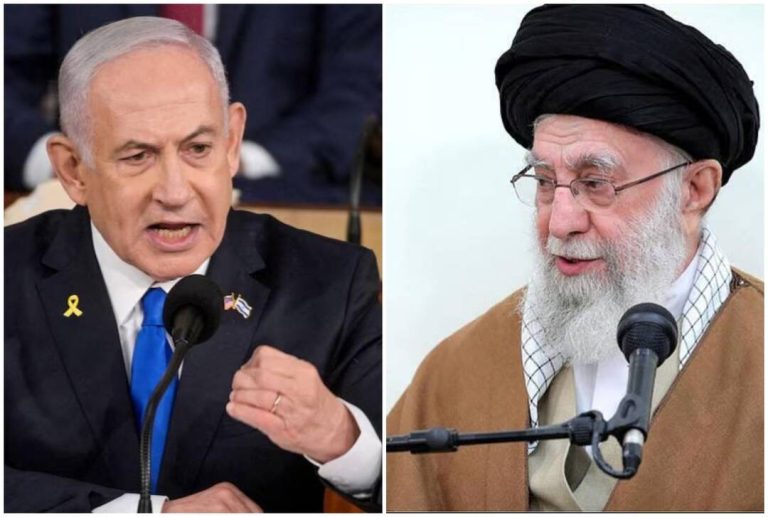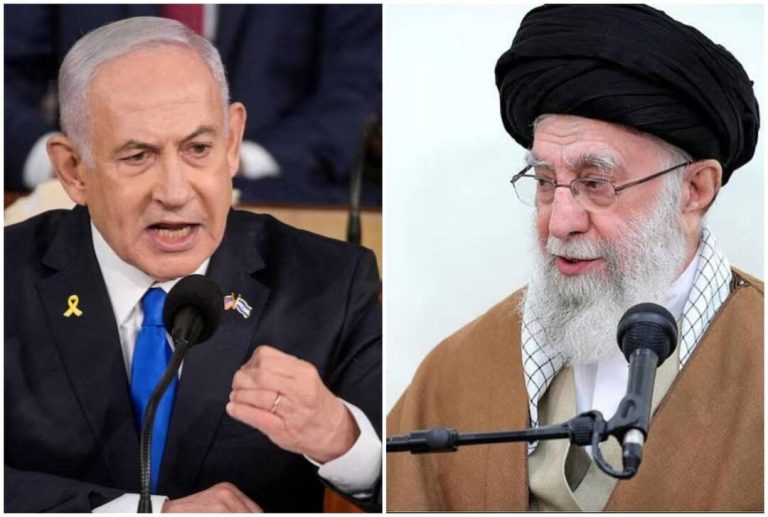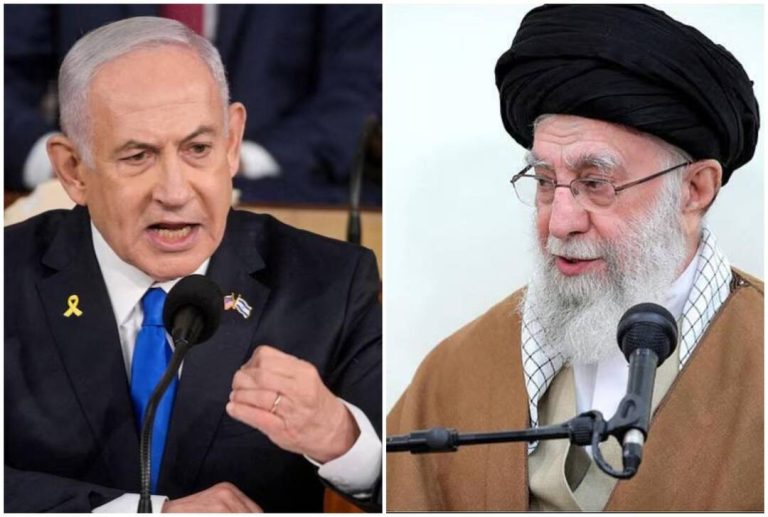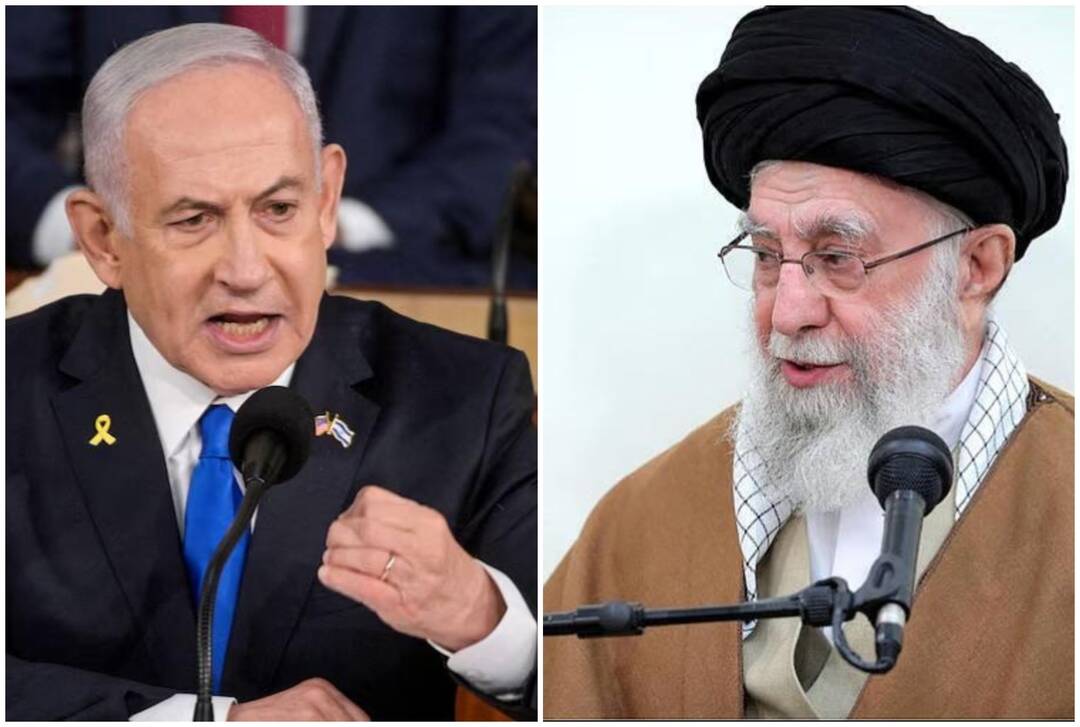
Iran will never be what it was if it attacks Israel, warns Netanyahu
The Middle East has been a cauldron of tensions for decades, with various nations and factions vying for power and influence. In recent times, the situation has become even more volatile, with widespread protests in Iran and a heightened sense of unease between Iran and Israel. In a recent statement, Israel’s Prime Minister Benjamin Netanyahu issued a stark warning to Iran, cautioning the nation against any potential aggression towards Israel.
According to Netanyahu, Israel is “following closely” developments in Iran, which has been grappling with anti-government protests that have spread across the country. The protests, which were sparked by the death of a young woman in police custody, have escalated into a full-blown crisis, with demonstrators calling for the overthrow of the Iranian government. The situation has been marked by violence and bloodshed, with reports of security forces using lethal force against protesters.
Against this backdrop, Netanyahu’s warning to Iran takes on a sense of urgency and gravity. “If Iran makes a mistake and attacks us, we’ll act with strength that Iran hasn’t yet known,” he cautioned. “Iran will never be what it was,” he added, implying that any attack on Israel would result in devastating consequences for the Islamic Republic.
Netanyahu’s statement is a clear indication of Israel’s resolve to defend itself against any potential threat from Iran. The two nations have a long and complex history, with Iran’s leaders repeatedly calling for Israel’s destruction. Israel, on the other hand, has viewed Iran’s nuclear program and its support for militant groups in the region as a significant threat to its security.
The United States, a key ally of Israel, has also weighed in on the situation in Iran. The US has warned Iran of “grave consequences” if the killing of protesters continues. This warning is a clear indication of the international community’s concern about the situation in Iran and the potential for further escalation.
The protests in Iran have been marked by widespread human rights abuses, with reports of security forces using live ammunition, tear gas, and other forms of violence against demonstrators. The international community has condemned these actions, calling on the Iranian government to respect the rights of its citizens and to engage in meaningful dialogue with the opposition.
In addition to the human rights concerns, the situation in Iran also has significant implications for regional stability. The protests have been fueled in part by economic grievances, with many Iranians struggling to make ends meet in a country that has been hit hard by sanctions and economic mismanagement. The situation has been further complicated by the involvement of external actors, including the US, which has imposed tough sanctions on Iran in an effort to curb its nuclear program and support for militant groups.
As the situation in Iran continues to unfold, the international community will be watching with bated breath. The potential for further escalation is high, and the consequences of such an escalation could be catastrophic. Netanyahu’s warning to Iran is a clear indication of the high stakes involved, and the need for all parties to exercise restraint and caution.
In conclusion, the situation in Iran is complex and multifaceted, with significant implications for regional stability and global security. The warning issued by Netanyahu to Iran is a clear indication of the high stakes involved, and the need for all parties to exercise restraint and caution. As the international community continues to monitor the situation, one thing is clear: the consequences of any miscalculation or aggression could be devastating, and Iran will never be what it was if it attacks Israel.
News Source: https://x.com/RT_com/status/2013290039883477428
About the Author