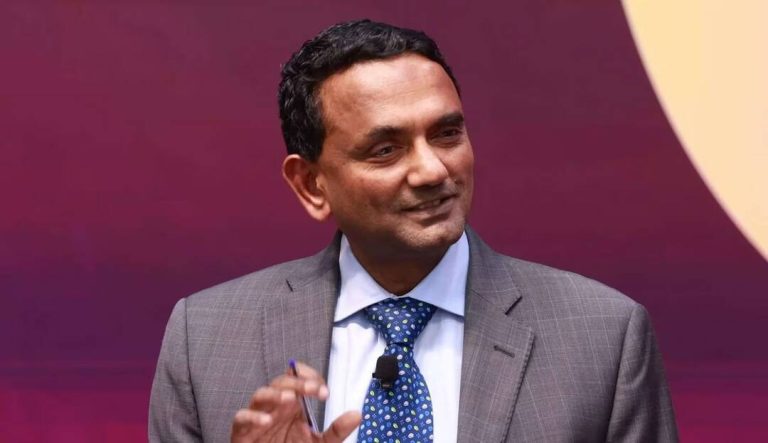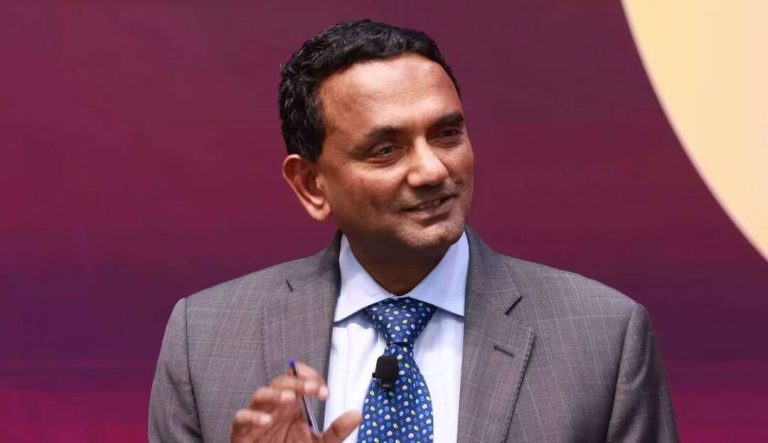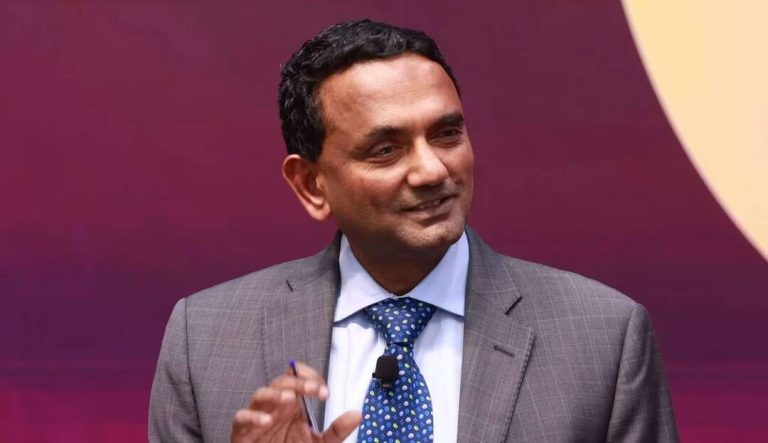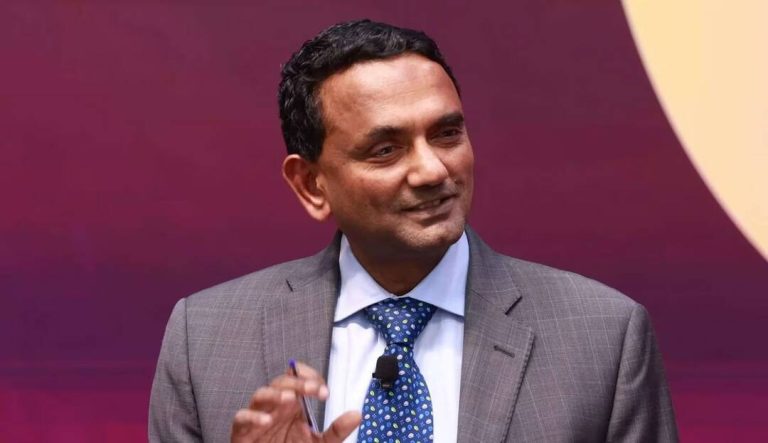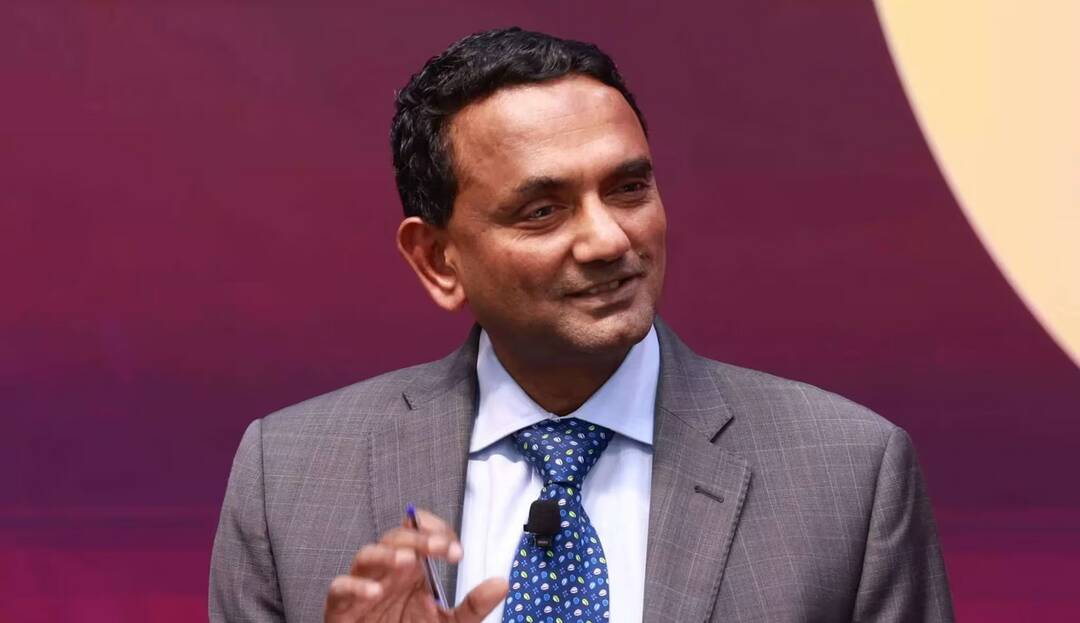
95% of AI pilots fail to deliver meaningful efficiency: TCS CEO
The world of artificial intelligence (AI) has been abuzz with excitement and anticipation, with many organizations investing heavily in AI pilots to streamline their operations and improve efficiency. However, according to Tata Consultancy Services (TCS) CEO K Krithivasan, a staggering 95% of these AI pilots have failed to deliver measurable value. This shocking revelation has sent ripples through the business community, prompting many to re-examine their AI strategies and question the true potential of this technology.
Citing research, Krithivasan claimed that the vast majority of AI pilots have failed to yield meaningful efficiency gains, leaving many organizations wondering what went wrong. This is a sobering reminder that AI is not a silver bullet, and that its successful implementation requires careful planning, execution, and integration with existing systems and processes. As Krithivasan noted, “As we look ahead to 2026, a clearer picture of AI’s impact is emerging.” This emerging picture suggests that AI is not a replacement for human intelligence, but rather a complementary tool that can augment and enhance human capabilities.
Krithivasan’s comments also highlighted the evolving nature of organizational intelligence, where combinations of humans and machines shape how choices are developed, presented, and discussed. This new form of organizational intelligence requires a fundamental shift in how organizations approach decision-making, collaboration, and innovation. By leveraging AI and machine learning, organizations can tap into vast amounts of data and insights, enabling them to make more informed decisions and drive business growth.
So, what are the key factors contributing to the failure of AI pilots to deliver meaningful efficiency? According to Krithivasan, there are several reasons, including:
- Lack of clear objectives: Many AI pilots are launched without clear objectives or defined outcomes, making it difficult to measure their success.
- Inadequate data quality: AI algorithms require high-quality data to learn and make accurate predictions. However, many organizations struggle with data quality issues, which can hinder the effectiveness of AI pilots.
- Insufficient integration: AI pilots are often launched as standalone initiatives, without adequate integration with existing systems and processes. This can lead to siloed decision-making and limited impact.
- Talent and skills gap: AI requires specialized skills and expertise, which can be in short supply. Many organizations struggle to find and retain talent with the necessary skills to develop and implement AI solutions.
- Change management: AI pilots often require significant changes to business processes and organizational culture. However, many organizations fail to adequately manage these changes, leading to resistance and limited adoption.
To overcome these challenges, Krithivasan highlighted the importance of adopting a structured approach to AI implementation, which includes:
- Defining clear objectives: Establishing clear objectives and outcomes for AI pilots is essential to measuring their success.
- Developing a robust data strategy: Ensuring high-quality data is critical to the success of AI pilots.
- Fostering collaboration: Encouraging collaboration between business stakeholders, data scientists, and IT teams is essential to developing effective AI solutions.
- Investing in talent and skills: Organizations must invest in developing the necessary skills and expertise to develop and implement AI solutions.
- Embracing change management: AI pilots require significant changes to business processes and organizational culture. Effective change management is essential to ensuring successful adoption and implementation.
In conclusion, the failure of 95% of AI pilots to deliver meaningful efficiency is a wake-up call for organizations to re-examine their AI strategies and approach. By adopting a structured approach to AI implementation, organizations can overcome the common pitfalls and unlock the true potential of AI to drive business growth and innovation. As Krithivasan noted, “We are witnessing…a new form of organisational intelligence, where combinations of humans and machines shape how choices are developed, presented and discussed.” This new form of organizational intelligence requires a fundamental shift in how organizations approach decision-making, collaboration, and innovation, and presents a significant opportunity for organizations to drive business success and growth.
About the Author