95% of AI Pilots Fail to Deliver Meaningful Efficiency: TCS CEO
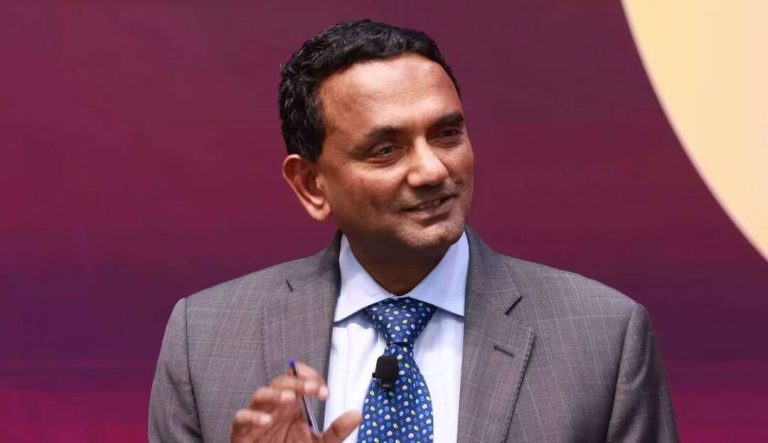
The world of artificial intelligence (AI) has been abuzz with excitement and promise, with many organizations investing heavily in AI pilots in the hopes of revolutionizing their operations and driving efficiency. However, according to K Krithivasan, CEO of Tata Consultancy Services (TCS), the reality is that a staggering 95% of these AI pilots have failed to deliver measurable value. This startling statistic highlights the significant gap between the hype surrounding AI and the actual results on the ground.
Krithivasan’s comments, which were based on research, underscore the challenges that organizations face in harnessing the power of AI to drive meaningful efficiency. Despite the vast amounts of data and computational power available, many AI pilots struggle to translate into tangible business outcomes. This raises important questions about the effectiveness of current AI strategies and the need for a more nuanced approach to AI adoption.
“As we look ahead to 2026, a clearer picture of AI’s impact is emerging,” Krithivasan said, highlighting the evolving nature of AI and its role in shaping organizational intelligence. He added, “We are witnessing…a new form of organisational intelligence, where combinations of humans and machines shape how choices are developed, presented and discussed.” This statement suggests that the future of AI lies not in replacing human intelligence, but in augmenting it with machine learning capabilities to create a more collaborative and effective decision-making process.
The failure of AI pilots to deliver meaningful efficiency can be attributed to several factors. One key challenge is the lack of clear goals and objectives, which can lead to a misguided focus on technology rather than business outcomes. Additionally, many organizations struggle to integrate AI into their existing workflows and processes, resulting in a lack of cohesion and coordination. Furthermore, the absence of a robust data strategy can hinder the ability of AI systems to learn and improve over time, ultimately limiting their potential impact.
To overcome these challenges, organizations must adopt a more strategic and holistic approach to AI adoption. This involves setting clear business objectives, developing a comprehensive data strategy, and fostering a culture of collaboration and experimentation. By doing so, organizations can unlock the true potential of AI and drive meaningful efficiency gains.
Krithivasan highlighted five core principles that can help organizations succeed in their AI journeys. These principles include:
- Defining clear business objectives: Organizations must establish clear goals and objectives for their AI initiatives, ensuring that they are aligned with broader business strategies.
- Developing a comprehensive data strategy: A robust data strategy is essential for AI systems to learn and improve over time, and organizations must prioritize data quality, governance, and management.
- Fostering a culture of collaboration and experimentation: AI requires a collaborative approach, bringing together humans and machines to drive innovation and experimentation.
- Investing in AI talent and skills: Organizations must invest in developing the necessary AI skills and talent, ensuring that they have the capabilities to design, develop, and deploy AI systems effectively.
- Embracing a human-centered approach to AI: AI systems must be designed with humans in mind, prioritizing transparency, explainability, and fairness to ensure that they are trusted and effective.
By adopting these principles, organizations can increase their chances of success in their AI journeys and unlock the full potential of AI to drive meaningful efficiency gains. As the world of AI continues to evolve, it is clear that a more nuanced and strategic approach is needed to harness the power of AI and create a brighter future for organizations and society as a whole.
In conclusion, the failure of 95% of AI pilots to deliver meaningful efficiency is a stark reminder of the challenges that organizations face in harnessing the power of AI. However, by adopting a more strategic and holistic approach to AI adoption, organizations can overcome these challenges and unlock the true potential of AI. As Krithivasan noted, the future of AI lies in creating a new form of organizational intelligence, where humans and machines collaborate to drive innovation and efficiency.
About the Author