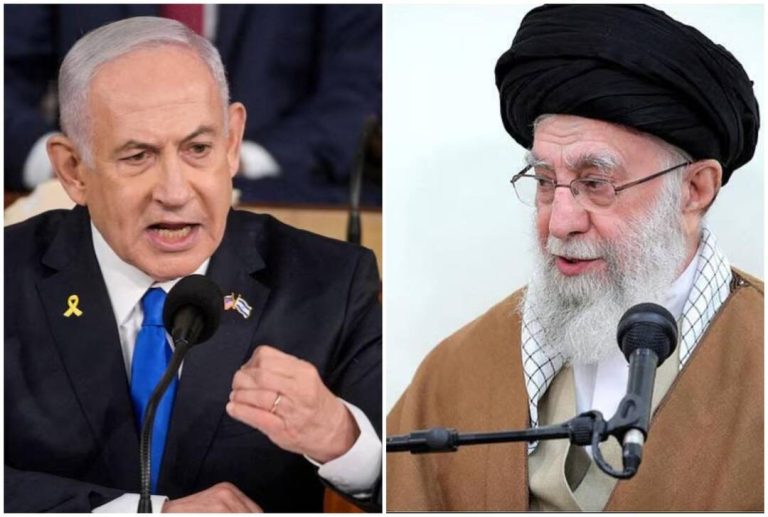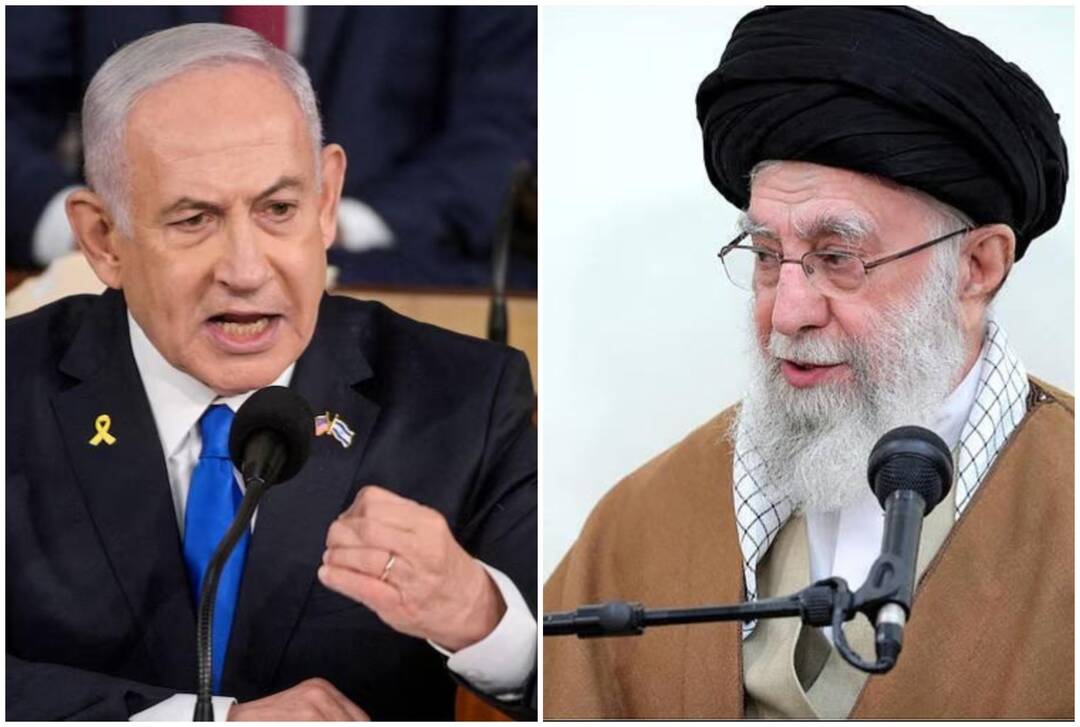
Iran will never be what it was if it attacks Israel, warns Netanyahu
The Middle East has been a hotbed of political tensions and conflicts for decades, with various nations and factions vying for power and influence. In recent times, the region has witnessed a significant escalation of tensions between Israel and Iran, with both countries engaging in a war of words and military posturing. The latest development in this saga has come from Israeli Prime Minister Benjamin Netanyahu, who has issued a stark warning to Iran, cautioning the country against attacking Israel.
According to Netanyahu, Israel is “following closely” developments in Iran, which is currently facing widespread anti-government protests. The protests, which have been ongoing for several weeks, have resulted in the deaths of numerous protesters, with many more injured or arrested. The Iranian government has been accused of using excessive force to quell the protests, leading to widespread condemnation from the international community.
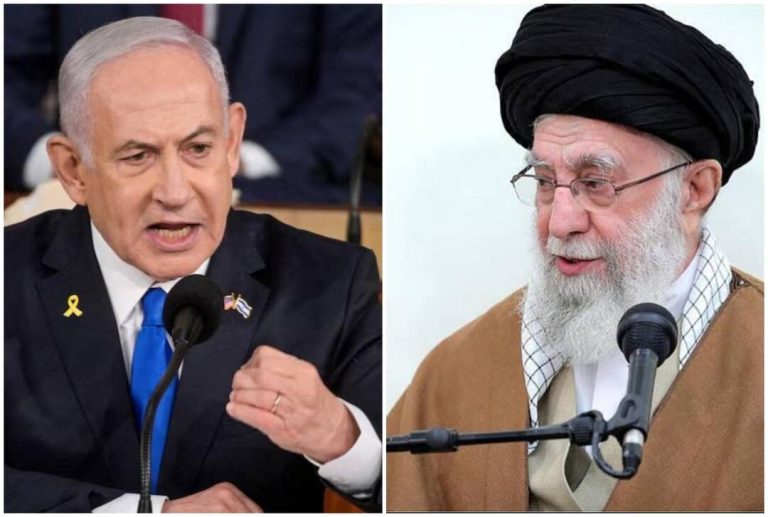
Netanyahu’s warning to Iran comes amidst this backdrop of unrest and instability. “If Iran makes a mistake and attacks us, we’ll act with strength that Iran hasn’t yet known,” he said. “Iran will never be what it was,” he added, leaving little doubt about the severity of Israel’s response in the event of an Iranian attack.
The Israeli Prime Minister’s comments are a clear indication of the country’s resolve to defend itself against any potential threats from Iran. Israel has long been concerned about Iran’s nuclear program and its support for militant groups in the region, such as Hezbollah and Hamas. Iran, on the other hand, has been accused of seeking to expand its influence in the Middle East and undermine Israel’s security.
Notably, the United States has also weighed in on the situation, warning Iran of “grave consequences” if the killing of protesters continues. The US has been a long-time ally of Israel and has consistently supported the country’s right to self-defense. The US warning to Iran is a clear indication of the international community’s concern about the situation in Iran and the potential for further escalation.
The current protests in Iran are a significant challenge to the country’s government, which has been in power since the 1979 Islamic Revolution. The protests were sparked by the death of a young woman, Mahsa Amini, who was arrested by the country’s morality police for allegedly violating Iran’s strict dress code. Amini’s death has become a rallying cry for protesters, who are demanding greater freedoms and an end to the country’s authoritarian rule.
The Iranian government has responded to the protests with force, deploying security forces to quell the unrest. However, the protests have shown no signs of abating, with demonstrators continuing to take to the streets despite the risk of arrest or injury. The international community has condemned the Iranian government’s response to the protests, with many countries calling for restraint and an end to the violence.
In this context, Netanyahu’s warning to Iran takes on added significance. Israel has long been concerned about Iran’s intentions and has been preparing for a potential conflict with the country. The Israeli military has been conducting exercises and drills to prepare for a potential war with Iran, and the country has also been developing its missile defense systems to counter the threat of Iranian missiles.
The situation in the Middle East is complex and multifaceted, with numerous countries and factions vying for influence and power. The conflict between Israel and Iran is just one aspect of this larger picture, and it remains to be seen how the situation will unfold in the coming weeks and months. However, one thing is clear: the region is on high alert, and any miscalculation or misunderstanding could have far-reaching consequences.
In conclusion, the warning issued by Netanyahu to Iran is a clear indication of the tensions between the two countries and the potential for further escalation. The situation in Iran is complex and multifaceted, with the country facing widespread protests and international condemnation. The US warning to Iran has added to the pressure on the country, and it remains to be seen how the situation will unfold in the coming weeks and months. One thing is certain, however: the Middle East is a region of immense complexity and volatility, and any developments in the region have the potential to have far-reaching consequences.
News Source: https://x.com/RT_com/status/2013290039883477428
About the Author