Largest Solar Storm in Over 20 Years Hits Earth
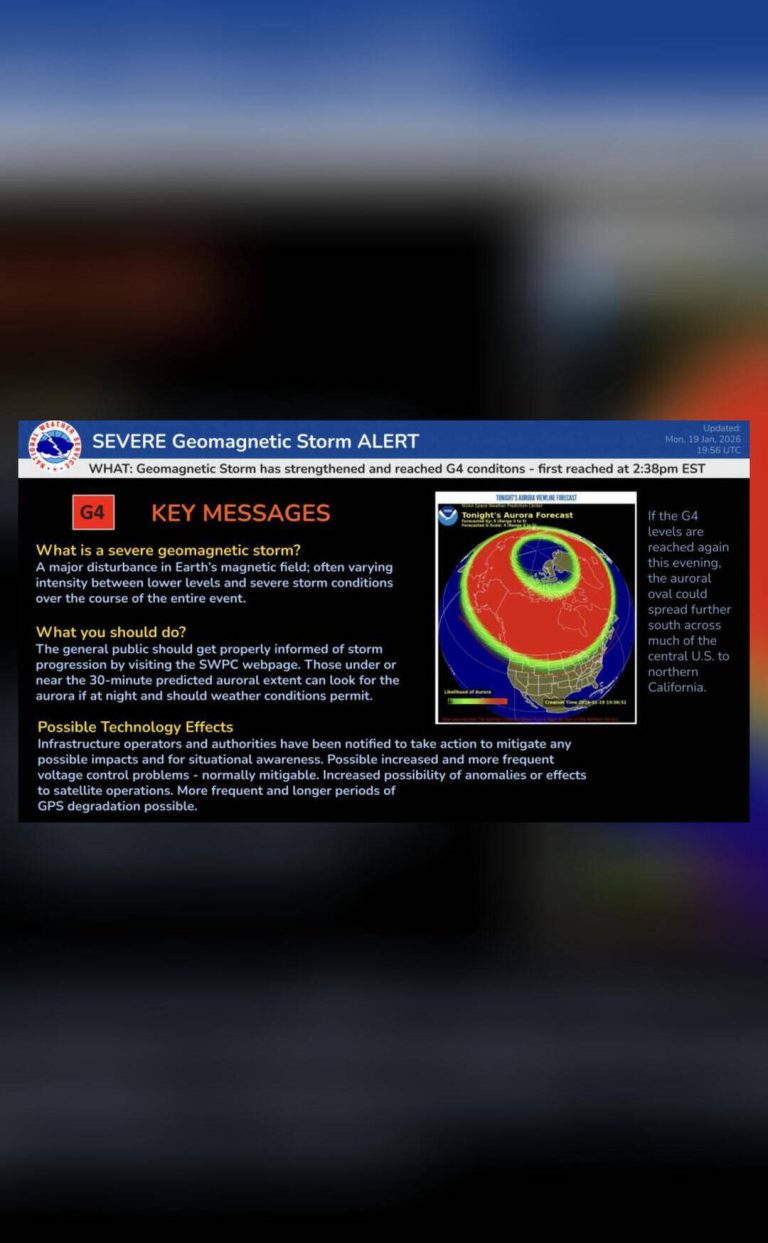
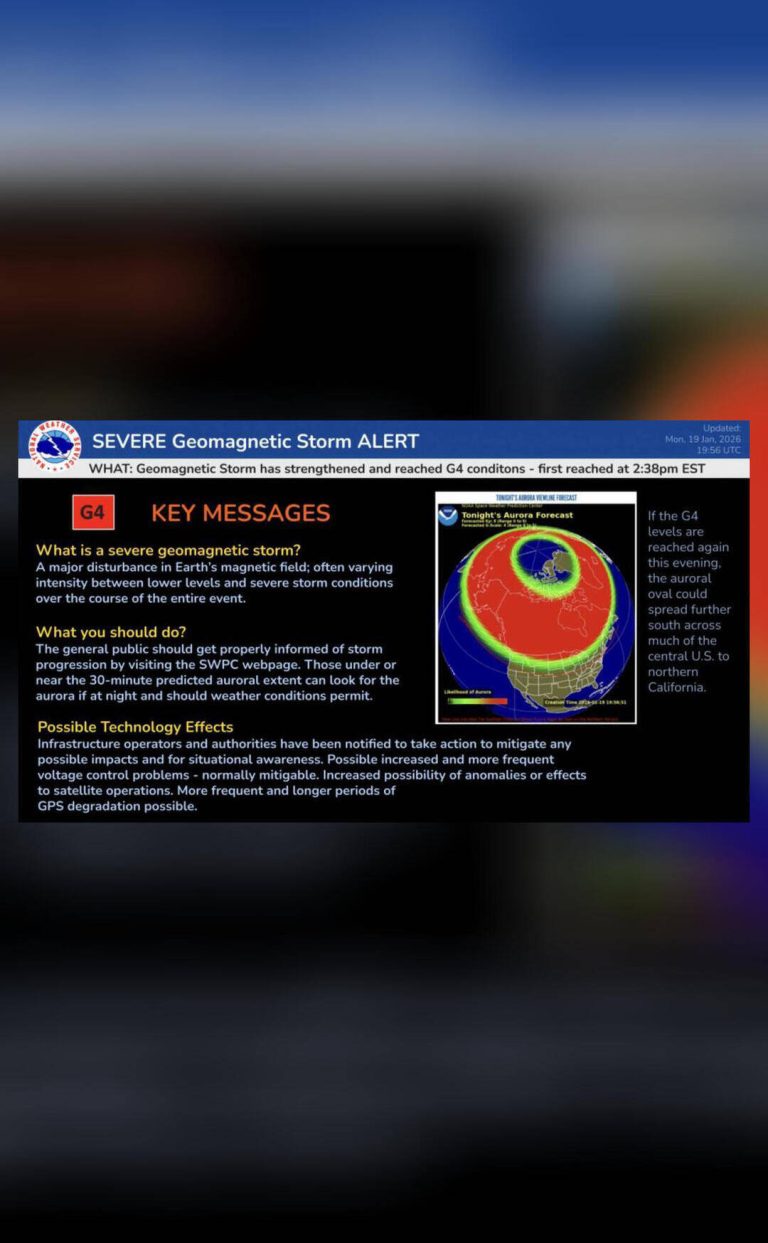
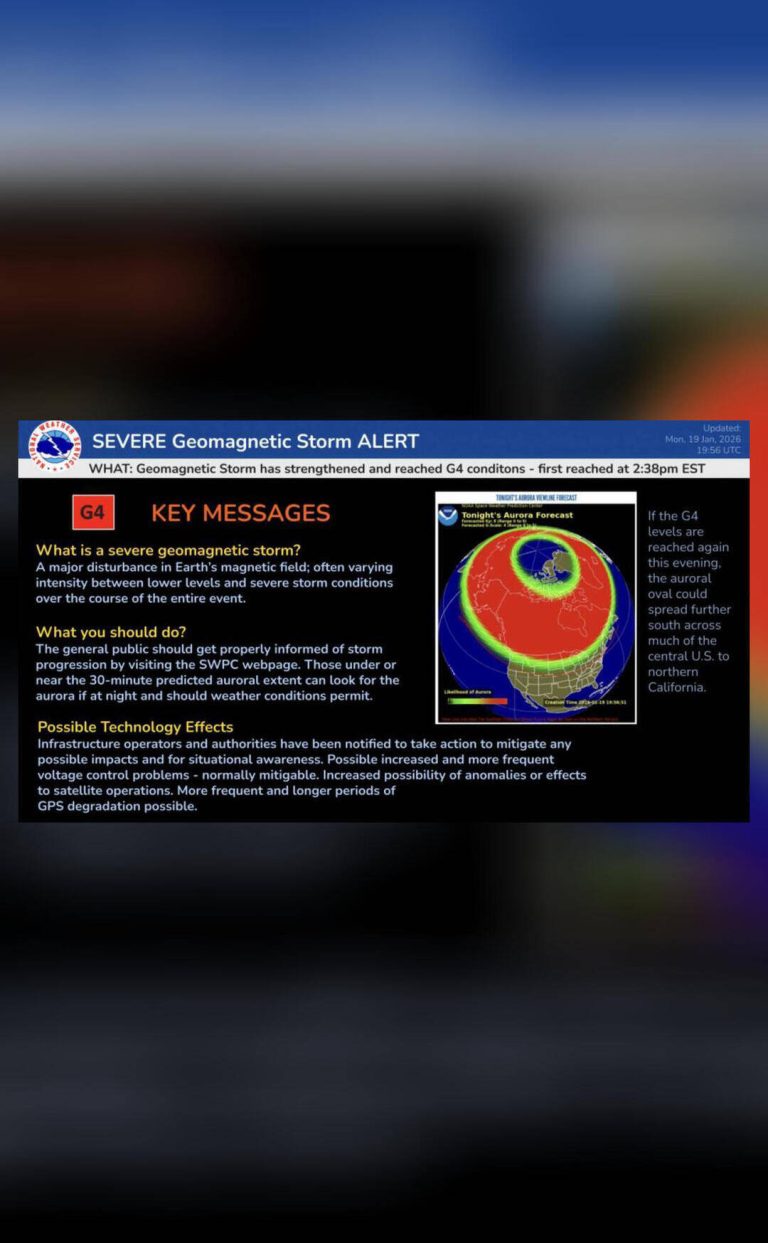
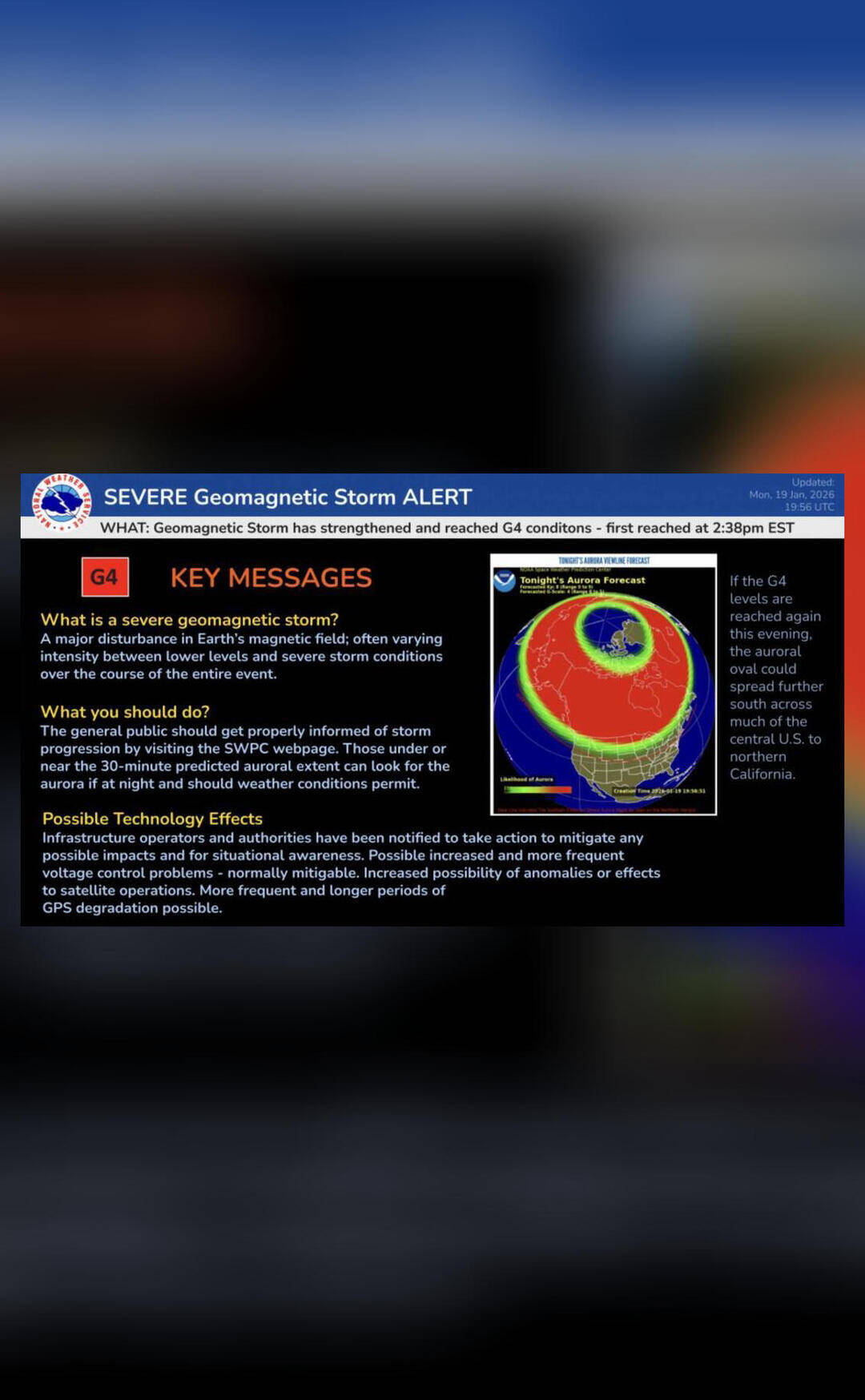
A powerful solar storm hit the Earth on Monday evening and early Tuesday morning, creating dazzling auroral displays at several locations across the globe. This phenomenon, which is the largest solar storm in over 20 years, has not only mesmerized sky gazers but also raised concerns about its potential impact on satellite-based communications and GPS accuracy.
The solar storm, which is a massive release of energy from the sun, was caused by a coronal mass ejection (CME) that occurred on the sun’s surface. This CME was so powerful that it released a huge amount of charged particles into space, which then interacted with the Earth’s magnetic field, causing the spectacular light displays in the sky.
The auroral displays, which were visible in several locations, including the northern United States, Canada, and Europe, were a sight to behold. The vibrant colors and patterns that danced across the sky were a result of the charged particles from the solar storm interacting with the Earth’s atmosphere. The displays were so intense that they were visible at lower latitudes than usual, allowing people in areas that do not typically see the aurora to witness this natural wonder.
However, while the solar storm has provided a spectacular show for sky gazers, it also has the potential to disrupt satellite-based communications and GPS accuracy. The charged particles from the solar storm can interfere with satellite signals, causing errors and disruptions to communication systems. This could have a significant impact on industries that rely on satellite-based communications, such as aviation and navigation.
In addition to disrupting satellite-based communications, the solar storm also poses a risk to passengers on flights that are traveling polar routes. Solar radiation storms, like the one that is currently affecting the Earth, can cause increased radiation exposure risks for people who are flying at high altitudes. This is because the Earth’s magnetic field, which normally protects us from the sun’s radiation, is weaker at the poles, allowing more radiation to penetrate the atmosphere.
As a result, airlines and flight operators are taking precautions to minimize the risk of radiation exposure to their passengers. This may include rerouting flights to avoid the polar regions or providing additional shielding to protect passengers from the radiation.
The impact of the solar storm on satellite-based communications and GPS accuracy is also a concern for industries that rely on these systems. The US Space Weather Prediction Center (SWPC) has issued a warning about the potential for disruptions to satellite communications and GPS signals, and is advising industries to take precautions to minimize the impact of the solar storm.
The SWPC has also warned that the solar storm could cause power grid fluctuations and disruptions to other technological systems. This is because the charged particles from the solar storm can induce electrical currents in power grids and other systems, causing them to malfunction.
In conclusion, the largest solar storm in over 20 years has hit the Earth, causing spectacular auroral displays and raising concerns about its potential impact on satellite-based communications and GPS accuracy. While the solar storm has provided a natural light show for sky gazers, it also poses a risk to industries that rely on satellite-based communications and to passengers on flights that are traveling polar routes.
As the solar storm continues to affect the Earth, it is essential to stay informed about its impact and to take precautions to minimize any disruptions. By understanding the causes and effects of the solar storm, we can better prepare for its impact and reduce the risk of disruptions to our technological systems.
For more information on this topic, you can visit the following news source:
https://x.com/RT_com/status/2013348883477233817
The solar storm is a reminder of the awe-inspiring power of the sun and the importance of monitoring and understanding space weather. By staying informed and taking precautions, we can minimize the impact of the solar storm and enjoy the spectacular light displays that it has brought to our skies.
In the coming days, the solar storm is expected to continue to affect the Earth, causing further disruptions to satellite-based communications and GPS accuracy. It is essential to stay up to date with the latest information and to take precautions to minimize the impact of the solar storm.
The solar storm has also highlighted the importance of space weather forecasting and monitoring. By tracking the sun’s activity and predicting space weather events, we can better prepare for their impact and reduce the risk of disruptions to our technological systems.
In addition to the potential disruptions to satellite-based communications and GPS accuracy, the solar storm has also raised concerns about its impact on the Earth’s magnetic field. The charged particles from the solar storm can cause the Earth’s magnetic field to fluctuate, which can have a significant impact on the planet’s climate and geological systems.
The solar storm has also provided a unique opportunity for scientists to study the sun’s activity and the impact of space weather on the Earth. By monitoring the solar storm and its effects on the Earth, scientists can gain a better understanding of the sun’s behavior and the complex interactions between the sun and the Earth’s magnetic field.
In conclusion, the largest solar storm in over 20 years has hit the Earth, causing spectacular auroral displays and raising concerns about its potential impact on satellite-based communications and GPS accuracy. While the solar storm has provided a natural light show for sky gazers, it also poses a risk to industries that rely on satellite-based communications and to passengers on flights that are traveling polar routes.
For more information on this topic, you can visit the following news source:
https://x.com/RT_com/status/2013348883477233817
About the Author