95% of AI Pilots Fail to Deliver Meaningful Efficiency: TCS CEO
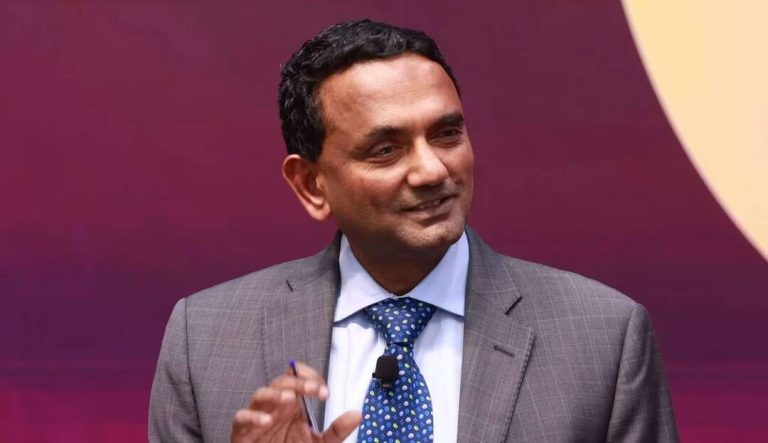
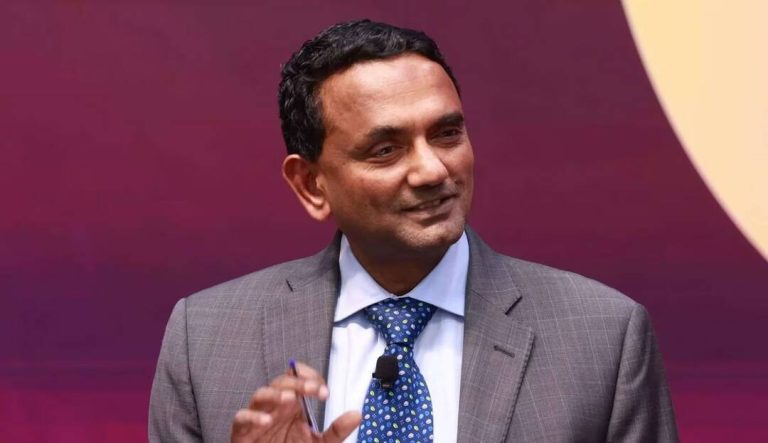
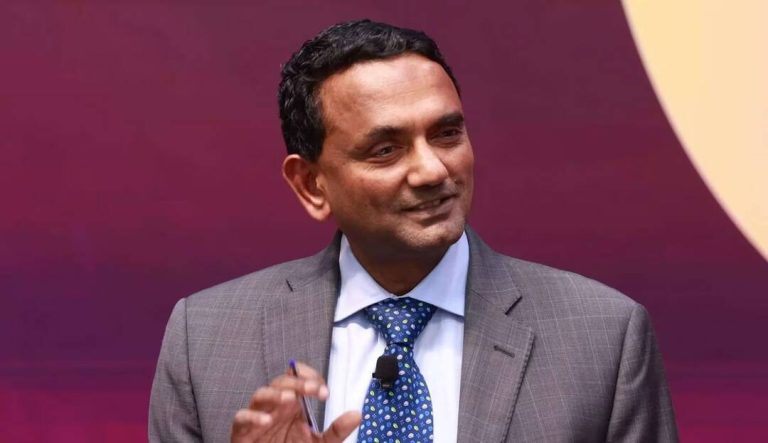
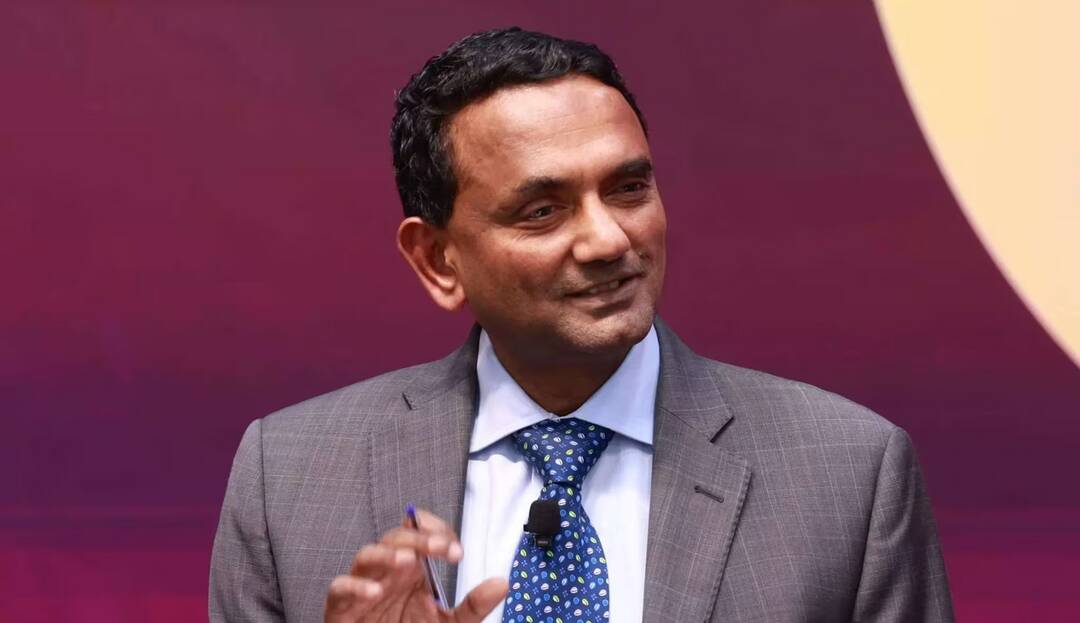
The world of artificial intelligence (AI) has been abuzz with excitement and promise in recent years. Companies have been investing heavily in AI pilots, hoping to revolutionize their operations and gain a competitive edge. However, according to K Krithivasan, CEO of Tata Consultancy Services (TCS), the reality is far from promising. Citing research, Krithivasan claimed that a staggering 95% of enterprise AI pilots have failed to deliver measurable value.
This stark revelation has significant implications for businesses and organizations that have been betting big on AI. As we look ahead to 2026, it’s clear that the hype surrounding AI needs to be tempered with a dose of reality. While AI has the potential to transform industries and revolutionize the way we work, its implementation and integration into existing systems have proven to be far more challenging than initially thought.
Krithivasan’s comments suggest that the problem lies not with the technology itself, but with the way it is being implemented. Many companies have been guilty of adopting a “tech-first” approach, where they invest in AI without fully understanding the business problems they are trying to solve. This approach has resulted in a plethora of AI pilots that fail to deliver meaningful efficiency and value.
However, Krithivasan also offered a note of optimism. “As we look ahead to 2026, a clearer picture of AI’s impact is emerging,” he said. The TCS CEO highlighted that we are witnessing a new form of organizational intelligence, where combinations of humans and machines shape how choices are developed, presented, and discussed. This suggests that the future of AI lies not in replacing human workers, but in augmenting their capabilities and enhancing their decision-making processes.
So, what can companies do to ensure that their AI pilots deliver meaningful efficiency and value? Krithivasan emphasized the need for a more nuanced approach, one that takes into account the complexities of human organization and the need for collaboration between humans and machines. He highlighted five core principles that can help companies get the most out of their AI investments:
- Start with a clear understanding of the business problem: Before investing in AI, companies need to have a clear understanding of the business problems they are trying to solve. This involves identifying areas where AI can add value and developing a clear strategy for implementation.
- Develop a human-centered approach: AI should be seen as a tool that augments human capabilities, rather than replacing them. Companies need to develop a human-centered approach that takes into account the needs and limitations of their workers.
- Focus on collaboration between humans and machines: The future of AI lies in collaboration between humans and machines. Companies need to develop systems that enable seamless interaction between humans and machines, and that leverage the strengths of both.
- Invest in explainable AI: As AI becomes more pervasive, there is a growing need for explainable AI. Companies need to invest in AI systems that can provide transparent and interpretable results, and that can be trusted by humans.
- Develop a continuous learning culture: AI is a rapidly evolving field, and companies need to develop a continuous learning culture to keep pace with the latest developments. This involves investing in ongoing training and education, and encouraging a culture of experimentation and innovation.
In conclusion, the failure of 95% of AI pilots to deliver meaningful efficiency is a wake-up call for companies that have been investing in AI without a clear strategy or understanding of the business problems they are trying to solve. However, as Krithivasan noted, the future of AI is not all doom and gloom. By adopting a more nuanced approach that takes into account the complexities of human organization and the need for collaboration between humans and machines, companies can unlock the true potential of AI and achieve meaningful efficiency and value.
About the Author