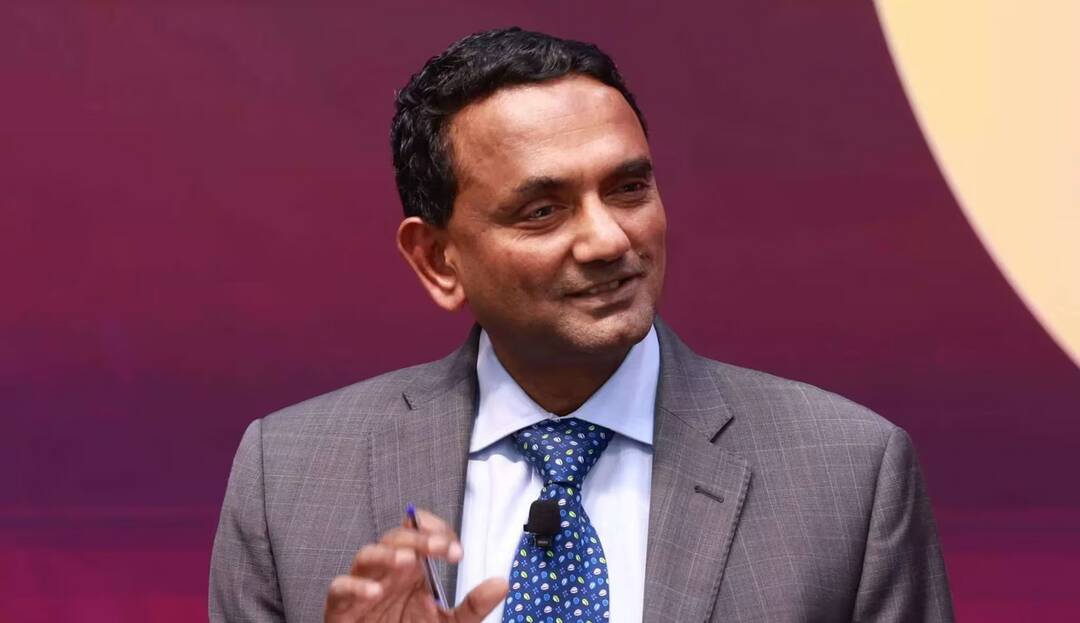
95% of AI Pilots Fail to Deliver Meaningful Efficiency: TCS CEO
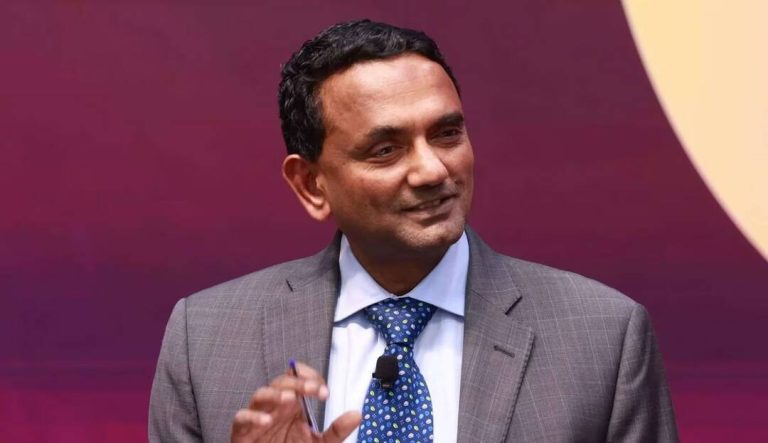
The integration of Artificial Intelligence (AI) into business operations has been hailed as a revolutionary step forward, promising to streamline processes, enhance decision-making, and drive efficiency. However, according to Tata Consultancy Services (TCS) CEO K Krithivasan, the reality is somewhat less rosy. Citing recent research, Krithivasan claimed that a staggering 95% of enterprise AI pilots have failed to deliver measurable value. This startling revelation has significant implications for businesses looking to leverage AI to gain a competitive edge.
Krithivasan’s comments come at a time when the hype surrounding AI is reaching a fever pitch. As we look ahead to 2026, a clearer picture of AI’s impact is emerging, and it’s becoming increasingly clear that the path to successful AI implementation is fraught with challenges. According to Krithivasan, “We are witnessing…a new form of organisational intelligence, where combinations of humans and machines shape how choices are developed, presented and discussed.” This vision of human-machine collaboration is undoubtedly exciting, but it also underscores the need for a more nuanced approach to AI adoption.
So, what’s behind the failure of AI pilots to deliver meaningful efficiency? The answer lies in a combination of factors, including inadequate data quality, poorly defined objectives, and a lack of clear understanding of how AI can be effectively integrated into existing business processes. Many organizations, eager to jump on the AI bandwagon, have rushed into pilots without laying the necessary groundwork, resulting in projects that are poorly conceived and poorly executed.
To overcome these challenges, Krithivasan highlights the importance of adopting a more strategic approach to AI adoption. This involves setting clear objectives, ensuring that data quality is adequate, and fostering a culture of collaboration between humans and machines. By doing so, organizations can unlock the true potential of AI and achieve meaningful efficiency gains.
One of the key takeaways from Krithivasan’s comments is the need for a more holistic approach to AI implementation. Rather than viewing AI as a silver bullet, organizations should focus on creating a robust ecosystem that supports the effective integration of AI into existing business processes. This requires a deep understanding of the organization’s strengths, weaknesses, and objectives, as well as a clear vision for how AI can be used to drive business value.
In addition to highlighting the challenges associated with AI adoption, Krithivasan also emphasizes the importance of creating a new form of organizational intelligence. This involves leveraging the strengths of both humans and machines to create a more agile, responsive, and adaptive organization. By combining the creativity, empathy, and judgment of humans with the analytical power and speed of machines, organizations can create a more effective decision-making process that drives business value.
As we look to the future, it’s clear that AI will play an increasingly important role in shaping the business landscape. However, to realize the full potential of AI, organizations must be willing to adopt a more strategic and nuanced approach to implementation. This involves setting clear objectives, ensuring adequate data quality, and fostering a culture of collaboration between humans and machines. By doing so, organizations can unlock the true potential of AI and achieve meaningful efficiency gains.
In conclusion, the failure of 95% of AI pilots to deliver meaningful efficiency is a sobering reminder of the challenges associated with AI adoption. However, by adopting a more strategic approach to implementation, organizations can overcome these challenges and unlock the full potential of AI. As Krithivasan so aptly puts it, “We are witnessing…a new form of organisational intelligence, where combinations of humans and machines shape how choices are developed, presented and discussed.” The future of business is undoubtedly exciting, and with the right approach, AI can play a key role in driving success.
About the Author