95% of AI pilots fail to deliver meaningful efficiency: TCS CEO
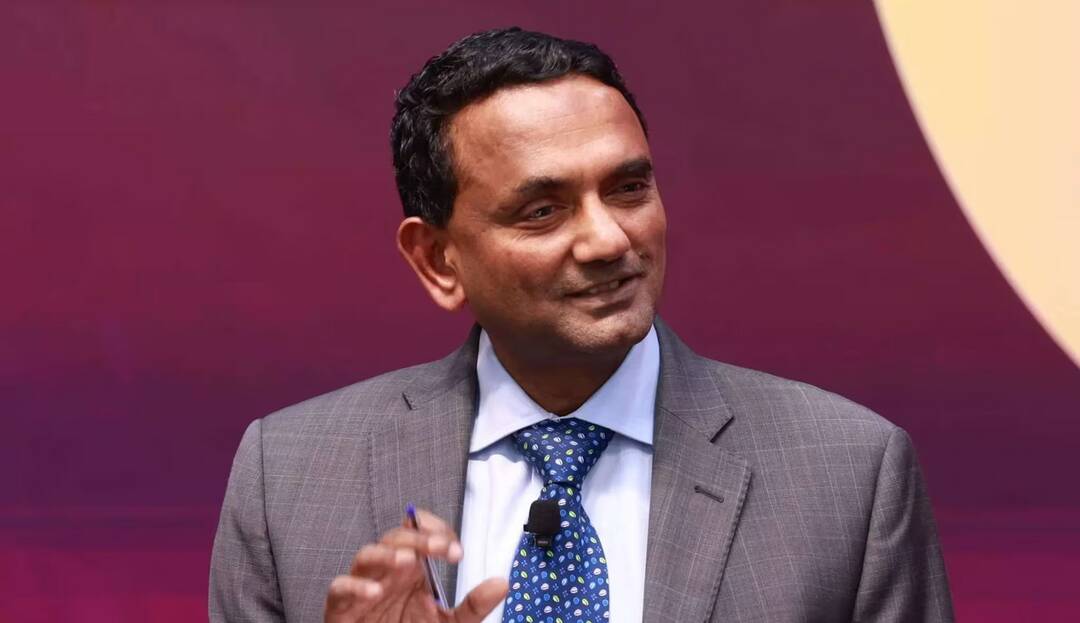
The world of artificial intelligence (AI) has been abuzz with excitement and promise, with many enterprises investing heavily in AI pilots to drive efficiency and innovation. However, according to Tata Consultancy Services (TCS) CEO K Krithivasan, the reality is far from rosy. Citing research, Krithivasan claimed that a staggering 95% of enterprise AI pilots have failed to deliver measurable value. This revelation is a sobering reminder that the road to AI success is paved with challenges and complexities.
Krithivasan’s statement is a wake-up call for organizations that have been rushing to adopt AI without a clear understanding of its potential impact. As we look ahead to 2026, it is essential to take a step back and reassess our approach to AI. The TCS CEO’s comments suggest that the hype surrounding AI has outpaced the actual benefits it can deliver. This is not to say that AI is not a powerful tool, but rather that its implementation and integration require a more nuanced and thoughtful approach.
Krithivasan added, “We are witnessing…a new form of organisational intelligence, where combinations of humans and machines shape how choices are developed, presented and discussed.” This statement highlights the need for a more collaborative approach to AI, one that recognizes the strengths and limitations of both human and machine intelligence. By combining the two, organizations can unlock new forms of intelligence that can drive real value and efficiency.
So, what are the reasons behind the failure of AI pilots to deliver meaningful efficiency? There are several factors at play, including:
- Lack of clear goals and objectives: Many organizations embark on AI pilots without a clear understanding of what they want to achieve. This lack of direction can lead to a meandering approach, with no clear metrics for success.
- Insufficient data quality and quantity: AI requires high-quality data to function effectively. However, many organizations struggle with data management, and their AI pilots suffer as a result.
- Inadequate talent and skills: AI requires specialized skills and expertise, which can be in short supply. Organizations that lack the necessary talent and skills may struggle to implement and maintain their AI pilots.
- Inability to integrate with existing systems: AI pilots often require integration with existing systems and processes. However, this can be a complex and challenging task, especially for organizations with legacy systems.
- Failure to address cultural and organizational barriers: AI pilots can disrupt existing workflows and cultural norms. Organizations that fail to address these barriers may find it difficult to achieve meaningful efficiency from their AI investments.
To overcome these challenges, Krithivasan highlights five core principles that organizations should follow:
- Start with a clear business problem: Organizations should identify a specific business problem that they want to solve with AI.
- Develop a robust data strategy: Organizations should develop a robust data strategy that ensures high-quality data is available to support their AI pilots.
- Build a talented and skilled team: Organizations should invest in building a talented and skilled team that can implement and maintain their AI pilots.
- Foster a culture of innovation and experimentation: Organizations should foster a culture of innovation and experimentation, where employees are encouraged to try new approaches and learn from their mistakes.
- Monitor and evaluate progress: Organizations should monitor and evaluate the progress of their AI pilots regularly, making adjustments as needed to ensure they are on track to deliver meaningful efficiency.
In conclusion, the failure of 95% of AI pilots to deliver meaningful efficiency is a stark reminder that the road to AI success is complex and challenging. However, by following the five core principles outlined by Krithivasan, organizations can increase their chances of success and unlock the full potential of AI. As we look ahead to 2026, it is essential to take a more nuanced and thoughtful approach to AI, one that recognizes the strengths and limitations of both human and machine intelligence.
About the Author