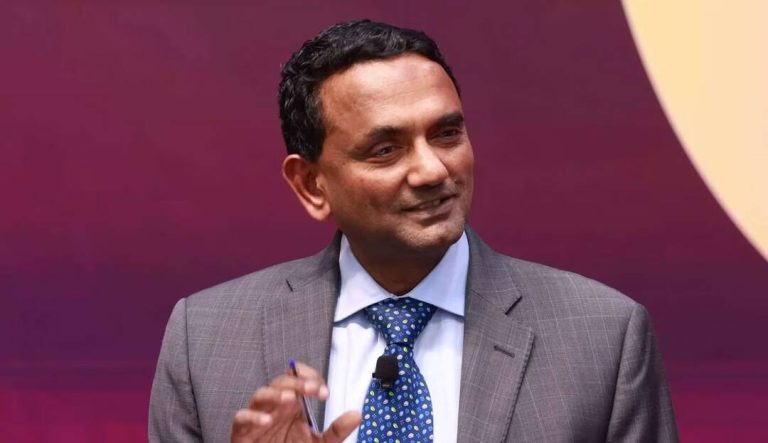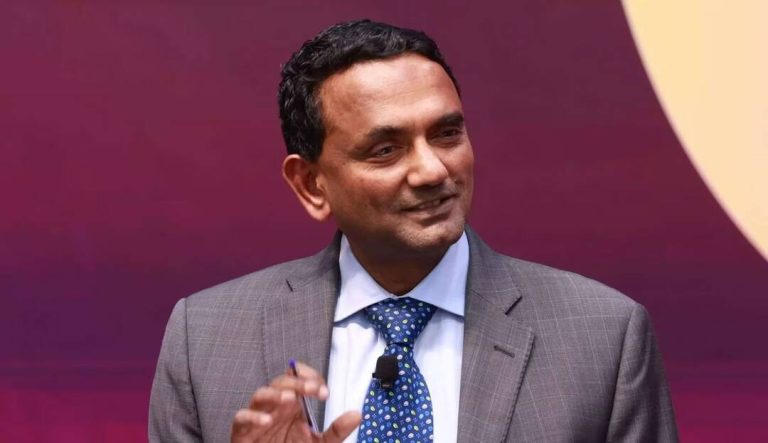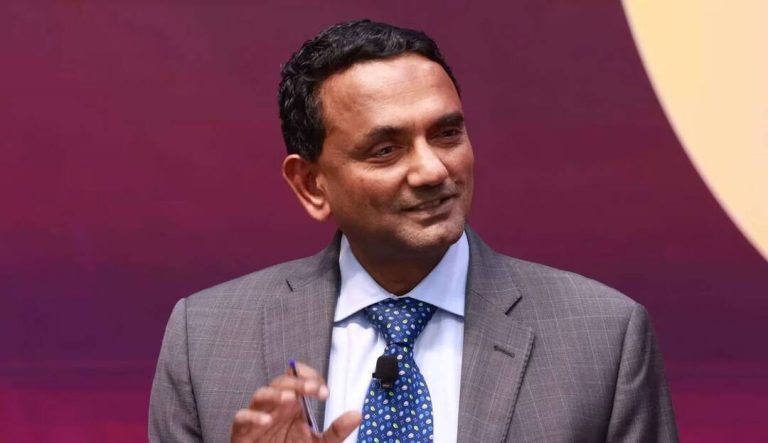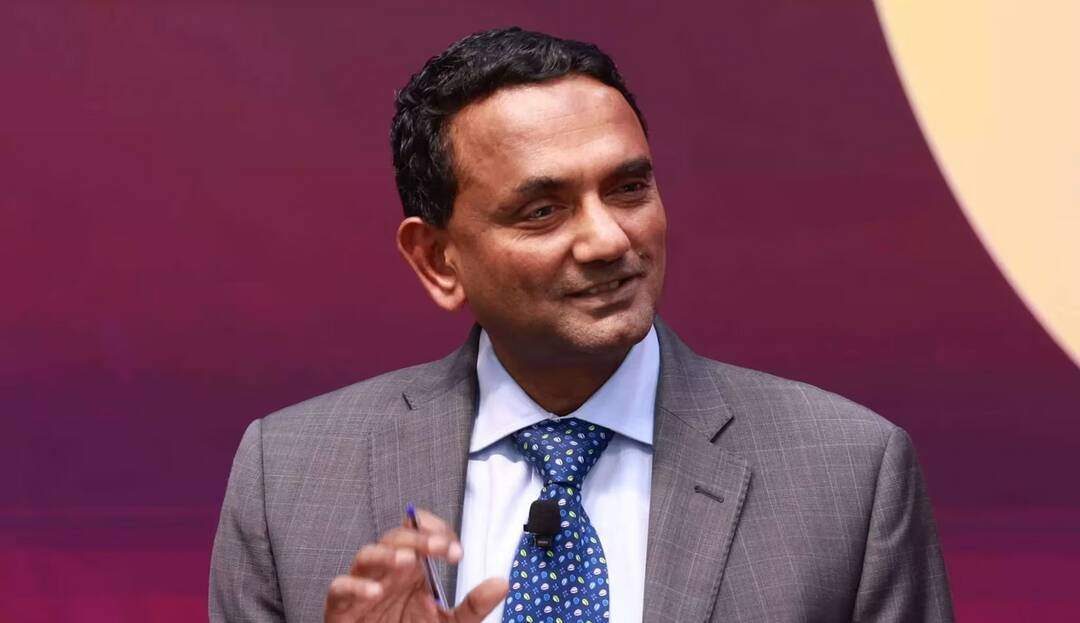
95% of AI pilots fail to deliver meaningful efficiency: TCS CEO
The world of artificial intelligence (AI) has been abuzz with excitement and promise, with many enterprises investing heavily in AI pilots to drive efficiency and innovation. However, according to Tata Consultancy Services (TCS) CEO K Krithivasan, the reality is that a staggering 95% of these AI pilots have failed to deliver measurable value. This stark revelation highlights the significant challenges that organizations face in harnessing the power of AI to drive meaningful impact.
Citing research, Krithivasan noted that the failure of AI pilots to deliver efficiency is a widespread phenomenon, with only a small fraction of organizations able to successfully leverage AI to drive business outcomes. This raises important questions about the effectiveness of current AI strategies and the need for a more nuanced approach to AI adoption.
Krithivasan’s comments come at a time when the hype around AI is beginning to wear off, and organizations are starting to take a more realistic view of the technology’s potential. As he noted, “As we look ahead to 2026, a clearer picture of AI’s impact is emerging.” This picture is one of both promise and challenge, with AI holding the potential to drive significant efficiency gains, but also requiring significant investment and effort to realize.
One of the key challenges that organizations face in deploying AI is the need to integrate the technology with existing systems and processes. This can be a complex and time-consuming process, requiring significant investment in data integration, workflow redesign, and change management. Moreover, the lack of standardization and interoperability between different AI systems and platforms can create significant barriers to adoption, making it difficult for organizations to achieve the scale and scope of AI deployment that they need to drive meaningful impact.
Despite these challenges, Krithivasan remains optimistic about the potential of AI to drive business value. He noted that, “We are witnessing…a new form of organisational intelligence, where combinations of humans and machines shape how choices are developed, presented and discussed.” This vision of AI as a collaborative partner, rather than a replacement for human workers, highlights the potential for AI to augment and enhance human capabilities, rather than simply automating tasks.
To realize this potential, Krithivasan highlighted the need for organizations to adopt a more strategic and nuanced approach to AI adoption. This includes focusing on the development of core principles that can guide AI deployment, such as a clear understanding of the business problem that AI is intended to solve, a well-defined roadmap for AI adoption, and a robust governance framework to ensure that AI is deployed in a responsible and transparent manner.
In addition to these principles, Krithivasan emphasized the need for organizations to develop a deeper understanding of the potential risks and challenges associated with AI deployment. This includes the potential for AI to exacerbate existing biases and inequalities, as well as the need to ensure that AI systems are transparent, explainable, and accountable. By taking a more thoughtful and intentional approach to AI adoption, organizations can mitigate these risks and ensure that AI is deployed in a way that drives meaningful value and impact.
As the AI landscape continues to evolve, it is clear that organizations will need to navigate a complex and rapidly changing environment. With 95% of AI pilots failing to deliver meaningful efficiency, it is evident that a new approach is needed, one that prioritizes strategic thinking, collaboration, and a deep understanding of the potential risks and challenges associated with AI deployment. By adopting this approach, organizations can unlock the full potential of AI and drive significant business value in the years to come.
In conclusion, the failure of 95% of AI pilots to deliver meaningful efficiency is a stark reminder of the challenges that organizations face in harnessing the power of AI. However, by adopting a more strategic and nuanced approach to AI adoption, organizations can mitigate these challenges and unlock the full potential of AI to drive business value. As Krithivasan noted, the future of AI is one of collaboration and augmentation, where humans and machines work together to drive innovation and efficiency.
About the Author