Largest Solar Storm in Over 20 Years Hits Earth
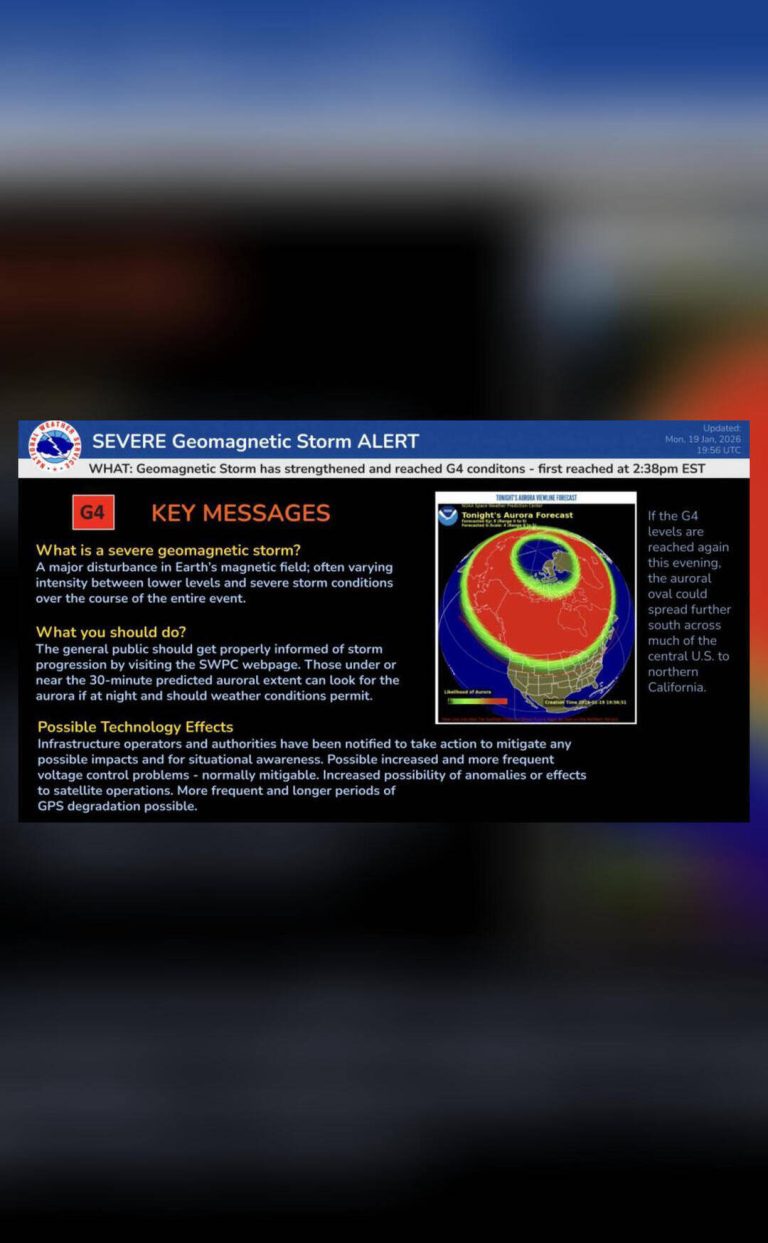
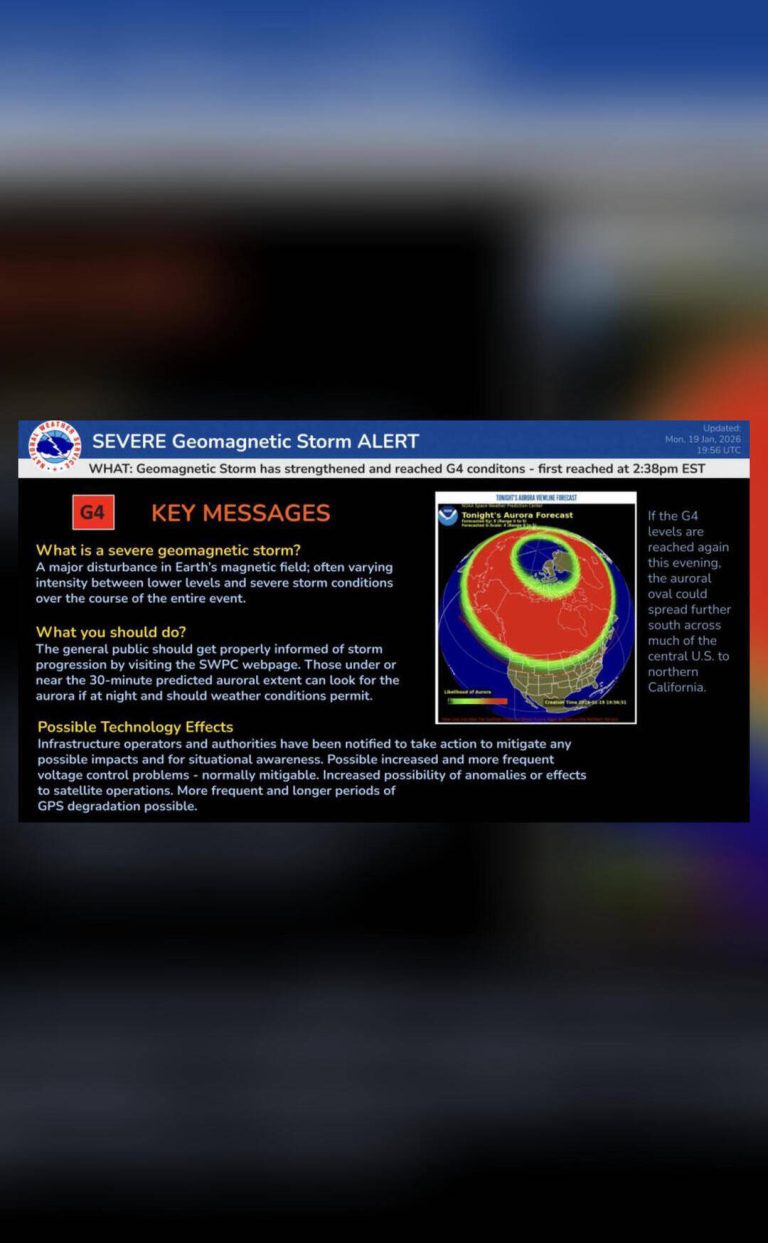
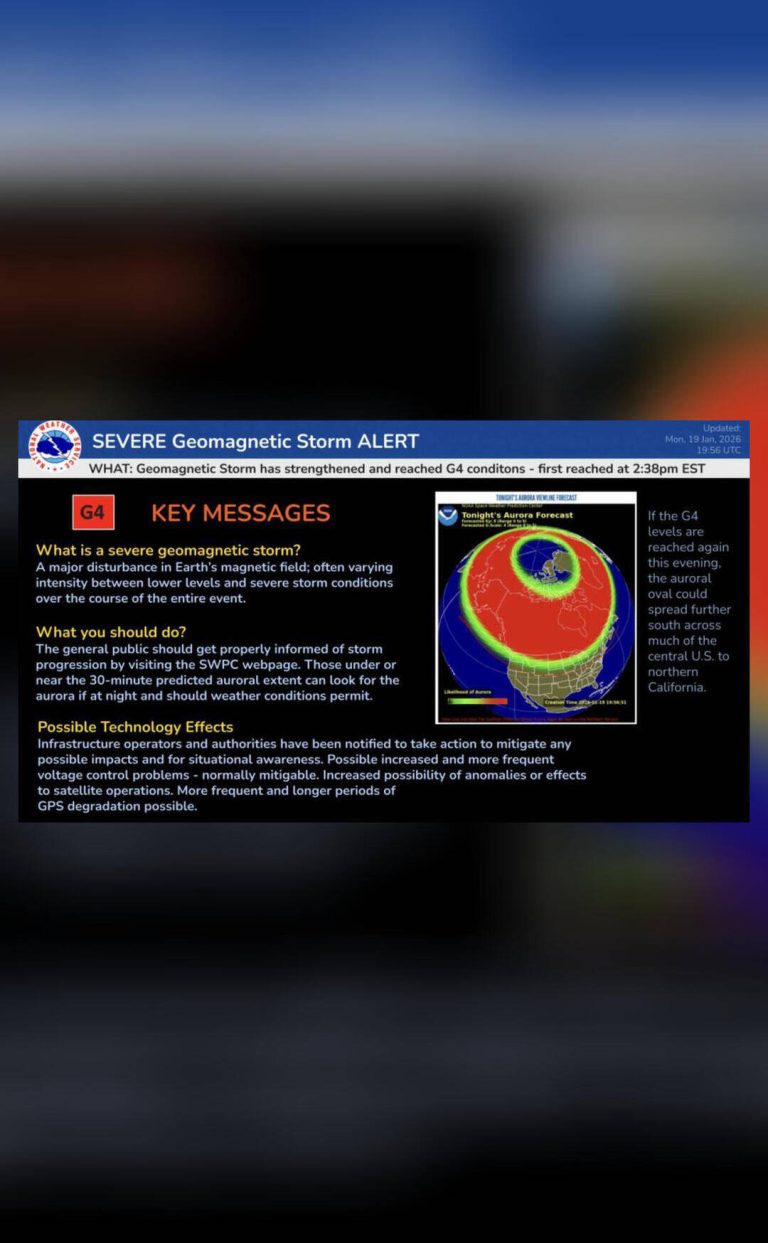
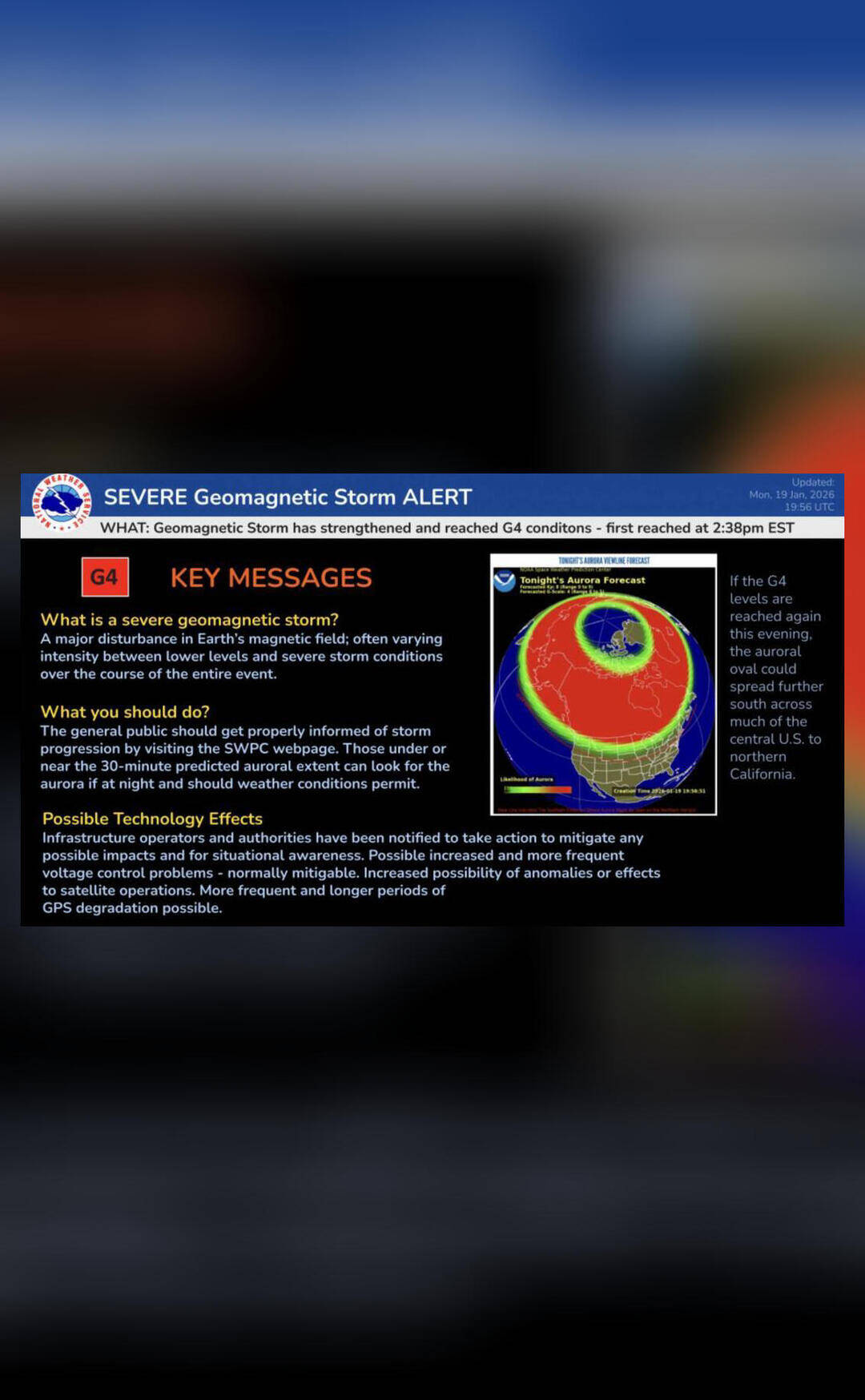
A powerful solar storm hit the Earth on Monday evening and early Tuesday morning, creating dazzling auroral displays at several locations across the globe. This phenomenon, which is the largest solar storm in over 20 years, has not only mesmerized sky gazers but also raised concerns about its potential impact on satellite-based communications and GPS accuracy. In this blog post, we will delve into the details of this solar storm, its effects on our planet, and what it means for us.
The solar storm, which is a massive release of energy from the sun, occurred on Monday evening and early Tuesday morning, treating people in the Northern Hemisphere to a spectacular display of the aurora borealis, also known as the northern lights. The storm was so intense that it was visible in locations that are not typically known for their auroral displays, such as the United Kingdom and parts of the United States.
The aurora borealis is a natural phenomenon that occurs when charged particles from the sun interact with the Earth’s magnetic field and atmosphere. The resulting display of colored lights can be breathtaking, with hues of green, blue, and red dancing across the sky. However, the solar storm that caused this display is not just a pretty sight; it also has the potential to disrupt our technological systems.
One of the main concerns about this solar storm is its impact on satellite-based communications. The storm’s powerful radiation can interfere with satellite signals, causing errors and disruptions to communication systems. This can have significant consequences for industries such as aviation, maritime, and finance, which rely heavily on satellite-based communications.
Another area of concern is the impact of the solar storm on GPS accuracy. The storm’s radiation can cause signals from GPS satellites to be delayed or disrupted, leading to errors in navigation and timing. This can be particularly problematic for industries such as aviation and transportation, which rely on precise GPS signals to navigate.
In addition to the potential disruptions to satellite-based communications and GPS accuracy, the solar storm also poses a risk to passengers on flights that are traveling polar routes. Solar radiation storms can cause increased radiation exposure risks for people who are flying at high altitudes, particularly near the polar regions. This is because the Earth’s magnetic field, which normally protects us from the sun’s radiation, is weaker near the poles.
The solar storm has also raised concerns about the potential impact on the Earth’s power grid. The storm’s powerful radiation can cause geomagnetically induced currents (GICs) in power grids, which can lead to equipment damage and power outages. This is a particular concern for countries that are heavily reliant on electrical power, such as the United States and Canada.
Despite the potential risks and disruptions caused by the solar storm, it is also an opportunity for scientists to study this phenomenon and learn more about the sun’s behavior. The storm is a reminder of the awe-inspiring power of the sun and the importance of continued research and monitoring of the sun’s activity.
In conclusion, the largest solar storm in over 20 years has hit the Earth, causing dazzling auroral displays and raising concerns about its potential impact on satellite-based communications and GPS accuracy. While the storm poses some risks, it is also an opportunity for scientists to study this phenomenon and learn more about the sun’s behavior. As we continue to monitor the situation, we are reminded of the importance of being prepared for the potential consequences of space weather events.
News Source: https://x.com/RT_com/status/2013348883477233817
About the Author