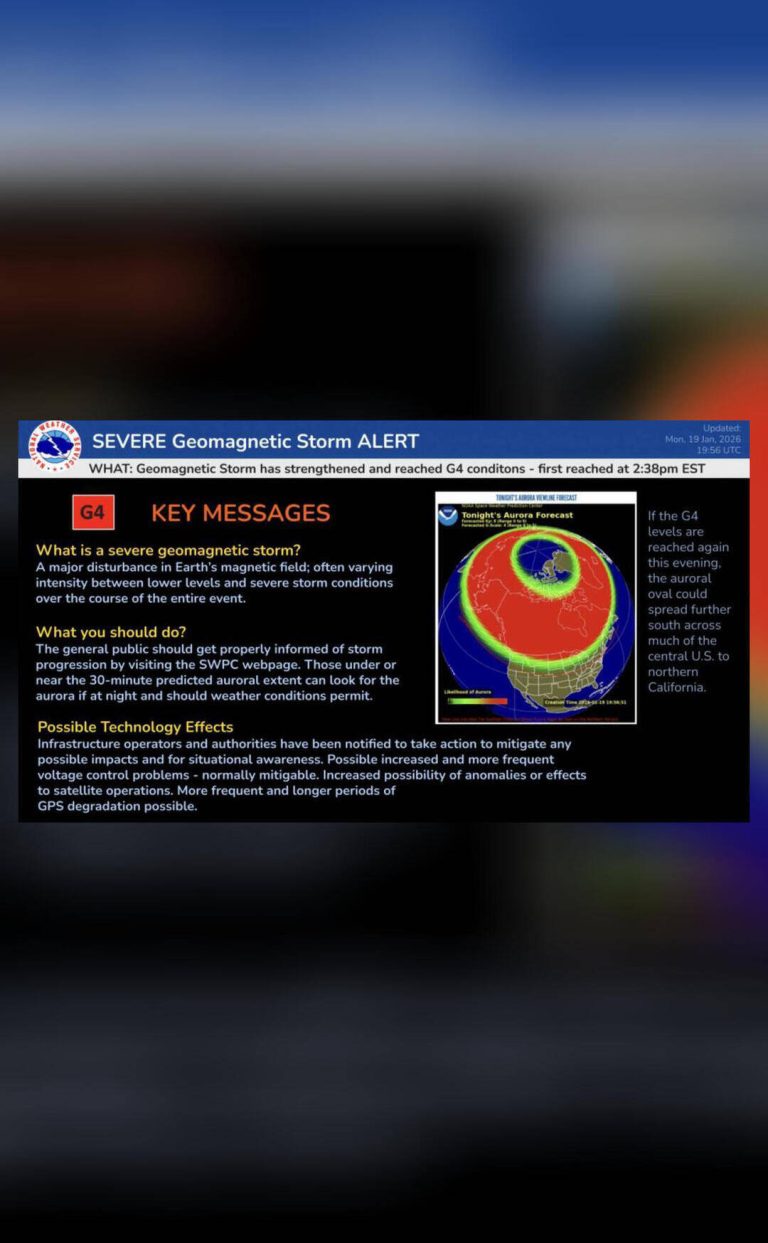
Largest Solar Storm in Over 20 Years Hits Earth
A powerful solar storm hit the Earth on Monday evening and early Tuesday morning, creating dazzling auroral displays at several locations across the globe. The storm, which is the largest to hit our planet in over 20 years, has the potential to disrupt satellite-based communications and GPS accuracy, causing significant impacts on our daily lives. In this blog post, we will delve into the details of the solar storm, its effects on our planet, and the potential risks associated with it.
The solar storm, which is a coronal mass ejection (CME) from the sun, was detected by NASA’s Deep Space Climate Observatory (DSCOVR) and the Solar and Heliospheric Observatory (SOHO). The CME is a massive cloud of plasma and magnetic field that is ejected from the sun’s corona, which is the outer atmosphere of the sun. When a CME hits the Earth’s magnetic field, it can cause a geomagnetic storm, which can lead to spectacular auroral displays at lower latitudes.
The auroral displays, also known as the Northern Lights or Aurora Borealis, were visible in several locations across the globe, including the United States, Canada, and Europe. The displays were particularly vibrant and long-lasting, with some reports indicating that they were visible for several hours. The aurora is caused by charged particles from the sun interacting with the Earth’s magnetic field and atmosphere, resulting in a spectacular display of colored lights.
However, the solar storm is not just a spectacle to behold; it also has the potential to disrupt our technological systems. The storm can cause geomagnetically induced currents (GICs) in power grids, which can lead to power outages and disruptions to communication systems. Additionally, the storm can also affect satellite-based communications, including GPS, which can lead to inaccurate navigation and communication disruptions.
The solar storm can also pose a risk to passengers on flights that are traveling polar routes. Solar radiation storms can cause increased radiation exposure risks for passengers and crew, particularly on flights that are traveling at high altitudes and near the polar regions. This is because the Earth’s magnetic field is weaker near the poles, providing less protection against solar radiation.
The effects of the solar storm are not limited to the Earth’s surface; it can also have significant impacts on space-based systems. The storm can cause radiation damage to satellites and other spacecraft, which can lead to malfunctions and disruptions to communication and navigation systems. The storm can also affect astronauts on the International Space Station, who may be exposed to increased radiation levels.
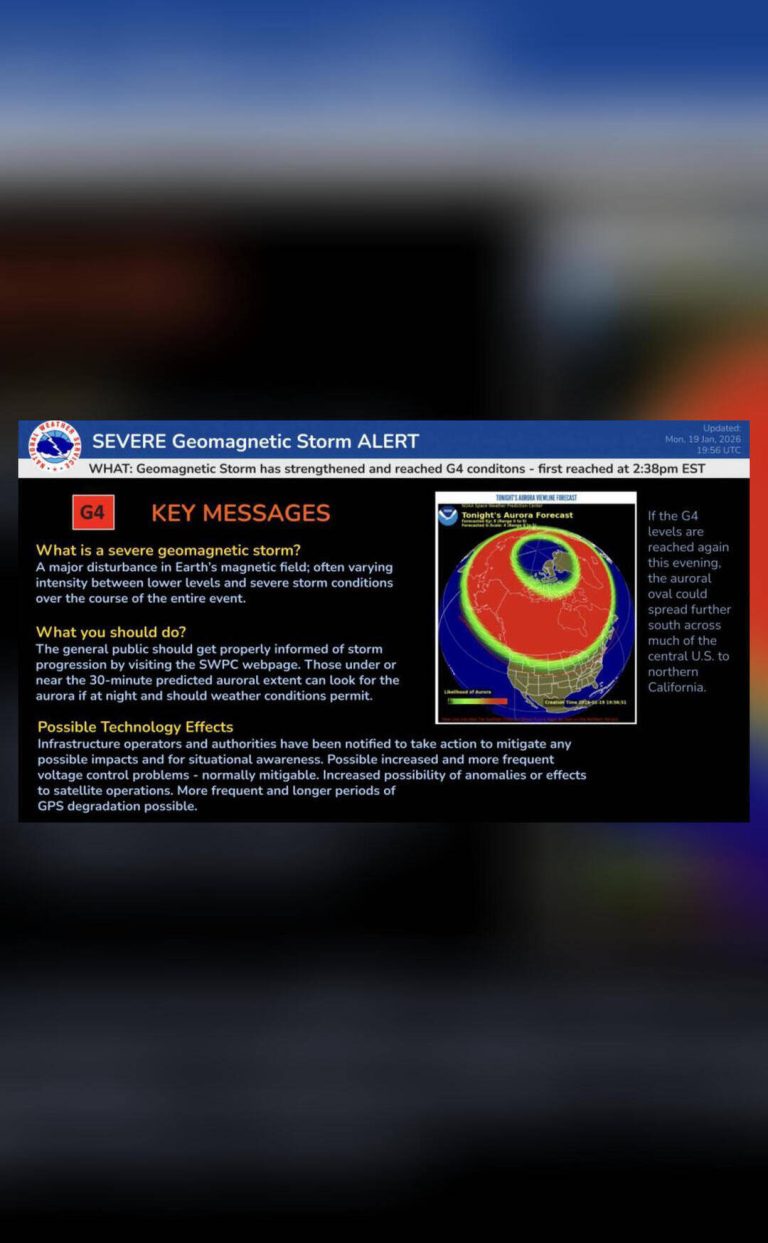
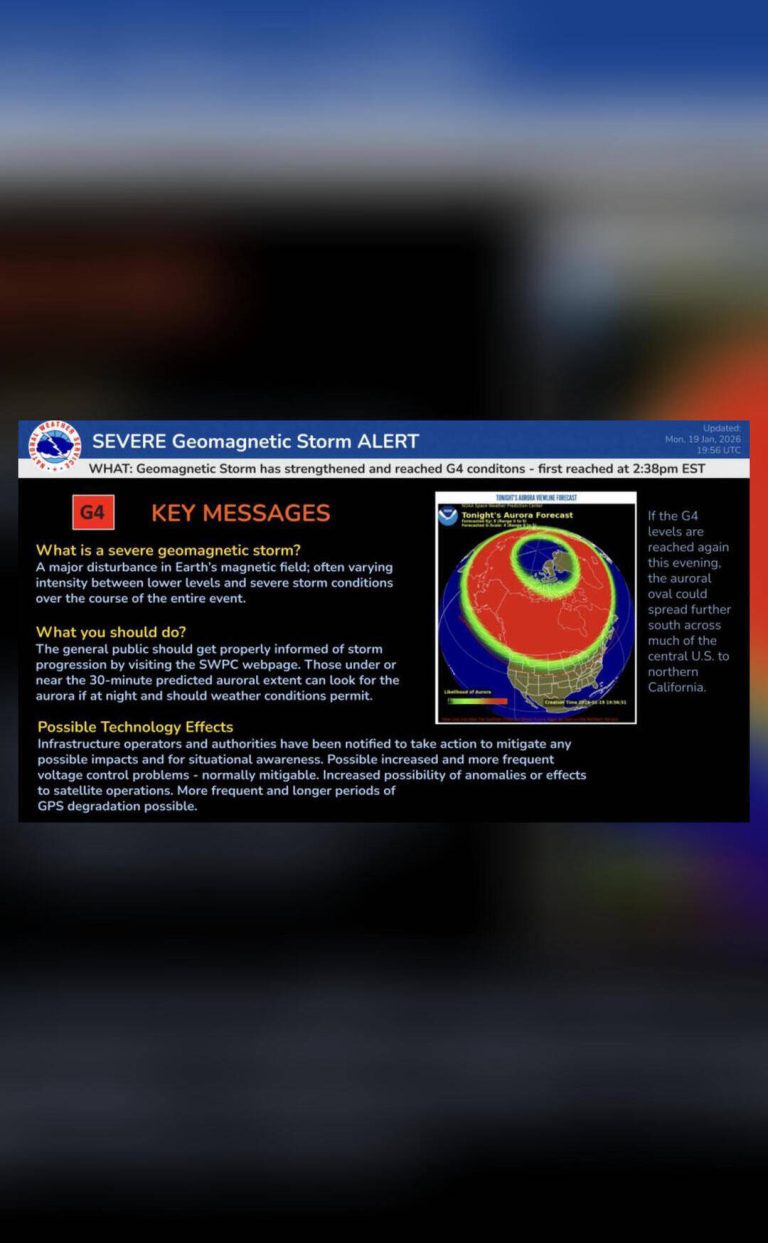
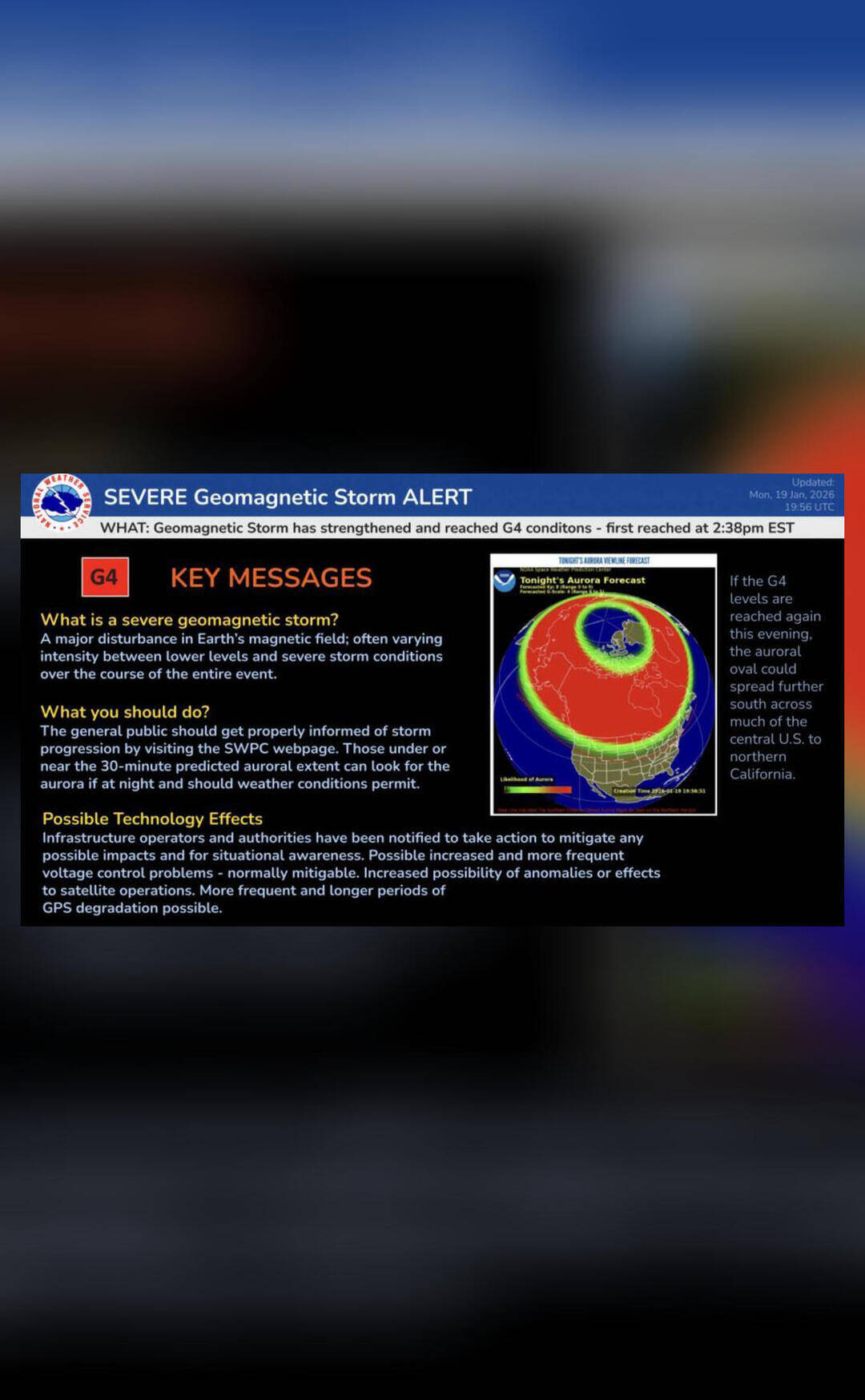
In preparation for the solar storm, space weather forecasters and scientists have been monitoring the situation closely. The National Weather Service’s Space Weather Prediction Center (SWPC) has issued a warning for a G3 (strong) geomagnetic storm, which is the third-highest level on the NOAA space weather scale. The warning indicates that the storm has the potential to cause significant disruptions to technological systems and pose risks to passengers on flights.
In conclusion, the largest solar storm in over 20 years has hit the Earth, causing dazzling auroral displays and posing significant risks to our technological systems. While the storm is a spectacle to behold, it is also a reminder of the potential risks and disruptions that space weather can cause. As we continue to rely on technological systems, it is essential that we monitor space weather closely and take necessary precautions to mitigate the effects of solar storms.
The solar storm is a reminder of the awe-inspiring power of the sun and the importance of monitoring space weather. As we continue to explore and understand our universe, it is essential that we stay informed about space weather and its potential impacts on our daily lives.
News Source: https://x.com/RT_com/status/2013348883477233817
About the Author