95% of AI pilots fail to deliver meaningful efficiency: TCS CEO
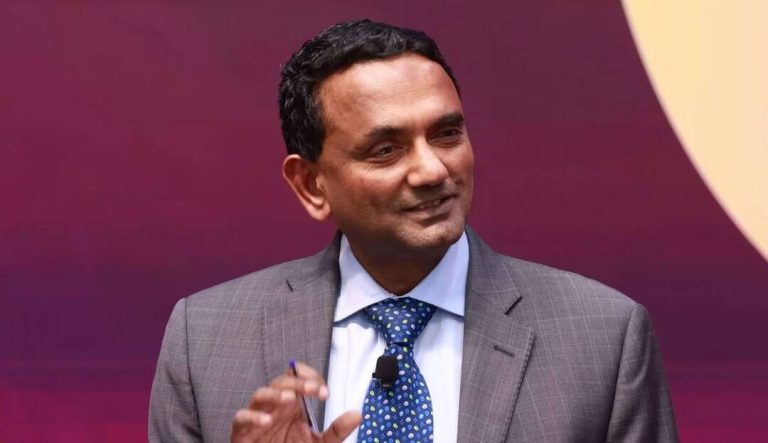
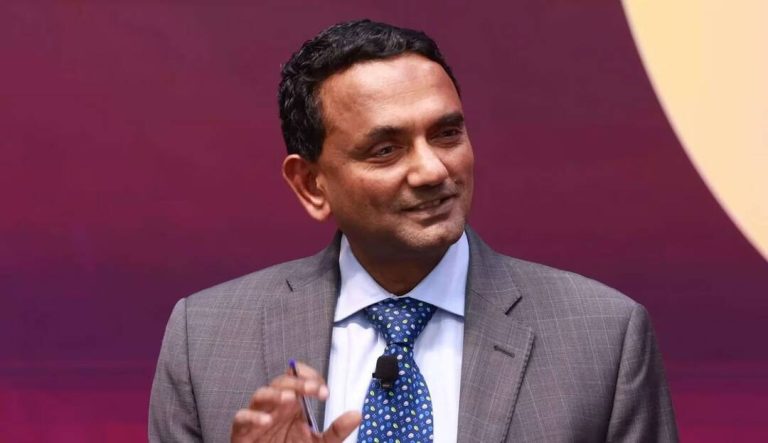
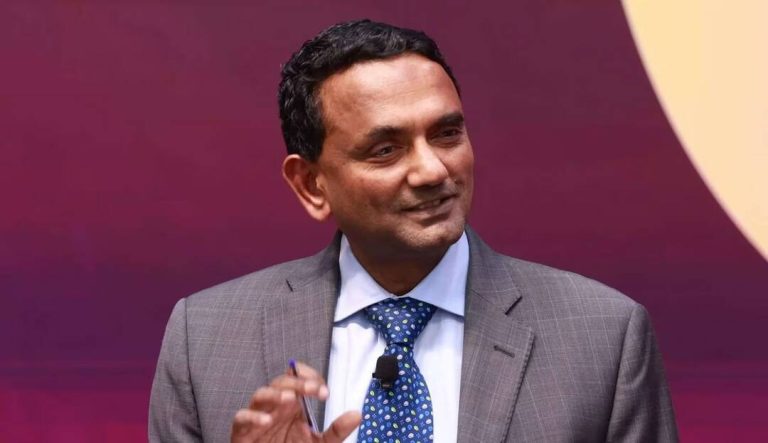
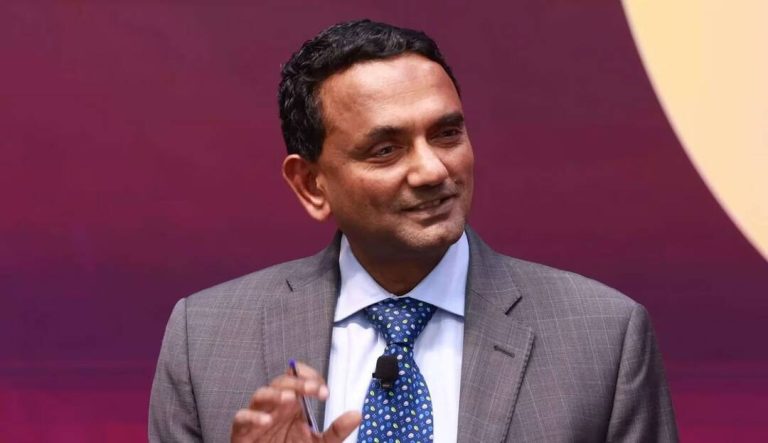
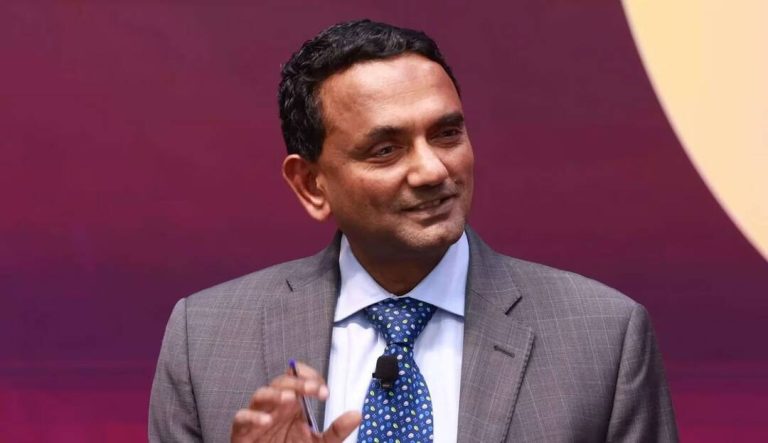
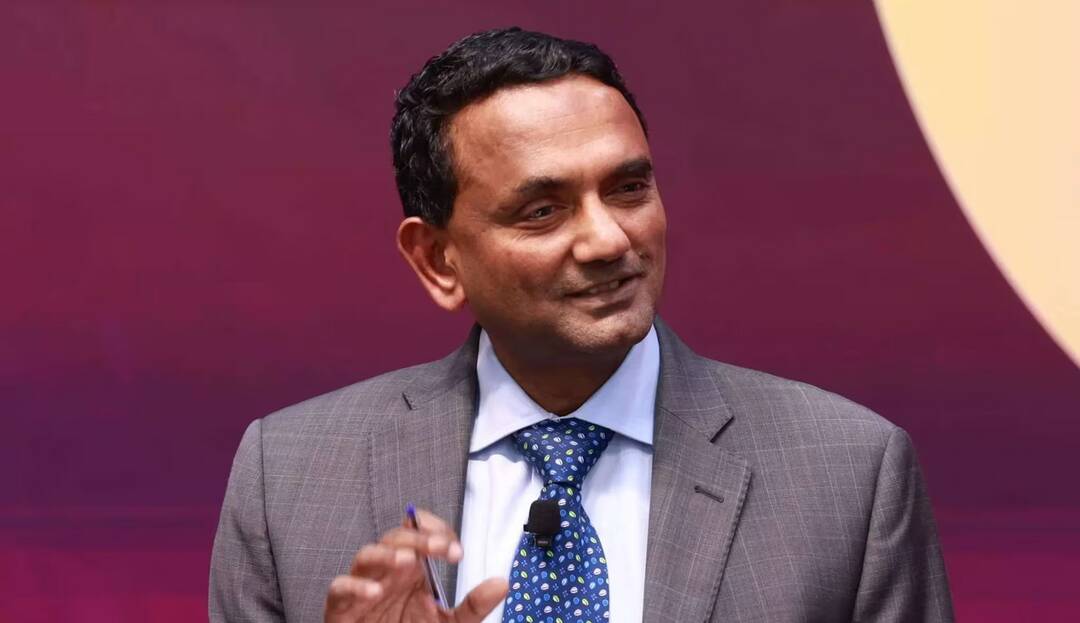
The world of artificial intelligence (AI) has been abuzz with excitement and promise, with many enterprises investing heavily in AI pilots to drive efficiency and innovation. However, according to K Krithivasan, CEO of Tata Consultancy Services (TCS), a staggering 95% of these AI pilots have failed to deliver measurable value. This striking revelation was made by Krithivasan, citing research, and highlights the significant challenges that organizations face in harnessing the true potential of AI.
Krithivasan’s comments come at a time when the world is looking ahead to 2026, and the impact of AI on businesses and society is becoming increasingly clear. As he noted, “As we look ahead to 2026, a clearer picture of AI’s impact is emerging.” The TCS CEO emphasized that the future of AI is not just about technology, but about how humans and machines collaborate to create a new form of organizational intelligence. “We are witnessing…a new form of organisational intelligence, where combinations of humans and machines shape how choices are developed, presented and discussed,” he added.
The failure of AI pilots to deliver meaningful efficiency is a concern that has been echoed by many industry experts. Despite the significant investments made in AI, many organizations struggle to scale up their AI initiatives and achieve tangible results. There are several reasons that contribute to this phenomenon, including the lack of a clear AI strategy, inadequate data quality, and insufficient talent and skills.
To overcome these challenges, Krithivasan highlighted the importance of following five core principles. These principles, which are rooted in TCS’s own experience of working with clients across various industries, provide a framework for organizations to unlock the full potential of AI. By embracing these principles, businesses can increase their chances of success and achieve meaningful efficiency gains from their AI initiatives.
The first principle is to define a clear AI strategy that aligns with the organization’s overall business objectives. This involves identifying areas where AI can have the most significant impact and developing a roadmap for implementation. The second principle is to ensure that the organization has access to high-quality data, which is essential for training and deploying AI models. The third principle is to invest in talent and skills, including data scientists, AI engineers, and domain experts who can work together to develop and implement AI solutions.
The fourth principle is to adopt a human-centered approach to AI, which recognizes that AI is not a replacement for human judgment and intuition. Instead, AI should be seen as a tool that can augment human capabilities and enhance decision-making. The fifth and final principle is to continuously monitor and evaluate the performance of AI initiatives, using metrics such as return on investment (ROI) and customer satisfaction.
By following these five core principles, organizations can increase their chances of success and achieve meaningful efficiency gains from their AI initiatives. As Krithivasan noted, the future of AI is not just about technology, but about how humans and machines collaborate to create a new form of organizational intelligence. By embracing this vision, businesses can unlock the full potential of AI and achieve significant benefits in terms of efficiency, innovation, and growth.
The comments made by Krithivasan are a timely reminder that the journey to AI adoption is not a straightforward one. While AI has the potential to transform businesses and society, it requires careful planning, execution, and evaluation. As organizations look ahead to 2026 and beyond, they must prioritize a human-centered approach to AI, invest in talent and skills, and continuously monitor and evaluate the performance of their AI initiatives.
In conclusion, the failure of 95% of AI pilots to deliver meaningful efficiency is a wake-up call for organizations to re-examine their AI strategies and approaches. By following the five core principles outlined by Krithivasan, businesses can increase their chances of success and achieve significant benefits from their AI initiatives. As the world looks ahead to 2026 and beyond, one thing is clear: the future of AI is not just about technology, but about how humans and machines collaborate to create a new form of organizational intelligence.
About the Author