Trump to remain chairman of ‘Gaza Board of Peace’ even when he’s not US President
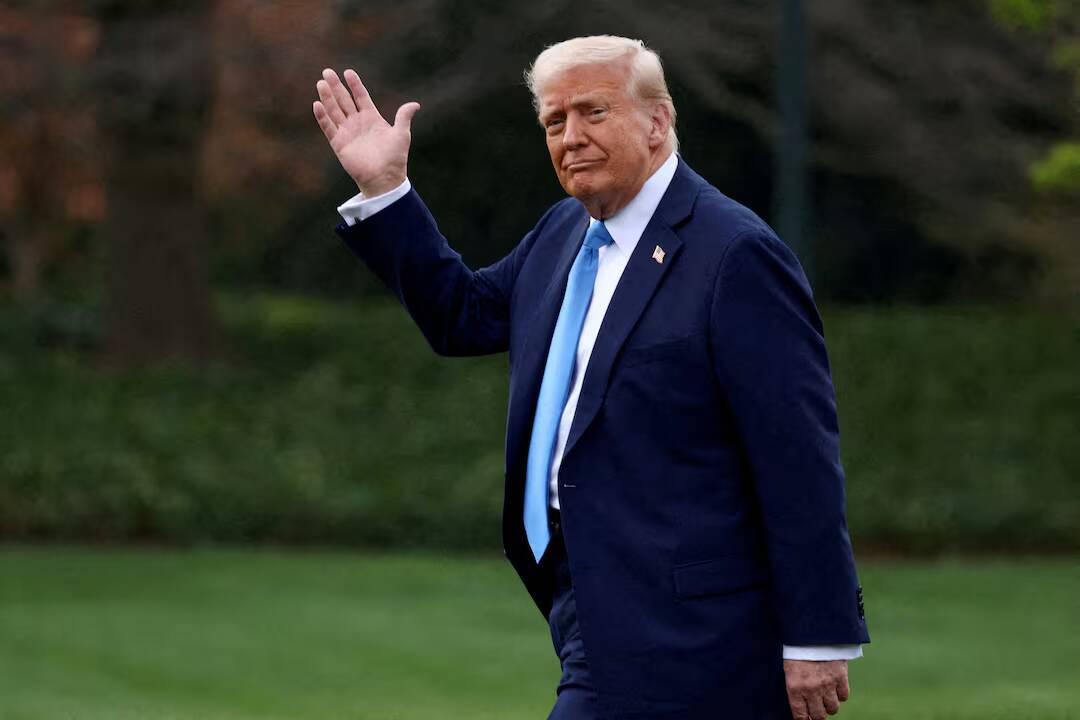
The Gaza Board of Peace, a newly formed organization aimed at promoting peace and stability in the Gaza region, has been making headlines recently due to its unique structure and leadership. According to the charter of the organization, Donald Trump, the 45th President of the United States, will remain the chairman of the board even if he is no longer the President of the United States. This has raised several questions about the independence and impartiality of the organization, as well as the potential implications of Trump’s continued leadership.
The charter of the Gaza Board of Peace states that the chairman can only be removed from their position if they voluntarily resign or are voted “incapable” by the executive board. The executive board, however, is composed of appointees chosen by Trump himself, which has led to concerns about the potential for bias and conflict of interest. This means that, in effect, Trump has the power to appoint his own successors and determine the direction of the organization, even if he is no longer in office.
One of the most significant implications of Trump’s continued leadership is the potential for politicization of the Gaza Board of Peace. As a former President of the United States, Trump’s actions and decisions will likely be seen as representative of the United States, even if he is no longer in office. This could lead to a perception that the organization is biased towards the interests of the United States, rather than being a neutral and impartial promoter of peace and stability in the region.
Furthermore, Trump’s invitation to Indian Prime Minister Narendra Modi to join the Gaza Board of Peace has raised questions about the role of India in the organization. Modi’s participation could potentially be seen as an endorsement of Trump’s leadership and the organization’s goals, which could have significant implications for India’s relationships with other countries in the region. It is also unclear what specific role Modi would play in the organization, or what benefits India would derive from its participation.
The Gaza Board of Peace has been seen as a potentially significant development in the pursuit of peace and stability in the Gaza region. The organization’s goals, as stated in its charter, are to promote economic development, improve living standards, and foster a sense of community and cooperation among the people of Gaza. However, the organization’s structure and leadership have raised concerns about its ability to achieve these goals in a neutral and impartial manner.
In order to address these concerns, the Gaza Board of Peace will need to demonstrate a clear commitment to transparency, accountability, and independence. This could involve establishing clear guidelines and procedures for decision-making, as well as ensuring that the organization is free from political interference and bias. The organization will also need to demonstrate a willingness to listen to and respond to the concerns of all stakeholders, including the people of Gaza, the Palestinian Authority, and other countries in the region.
Ultimately, the success of the Gaza Board of Peace will depend on its ability to promote peace and stability in the Gaza region, while also maintaining its independence and impartiality. Trump’s continued leadership, combined with the organization’s unique structure and the potential for politicization, have raised significant questions about the organization’s ability to achieve these goals. As the organization moves forward, it will be important to closely monitor its actions and decisions, and to hold it accountable for its commitments to transparency, accountability, and independence.
In conclusion, the Gaza Board of Peace has the potential to play a significant role in promoting peace and stability in the Gaza region. However, the organization’s structure and leadership have raised concerns about its ability to achieve its goals in a neutral and impartial manner. Trump’s continued leadership, combined with the potential for politicization and bias, have significant implications for the organization’s ability to promote peace and stability in the region. As the organization moves forward, it will be important to closely monitor its actions and decisions, and to hold it accountable for its commitments to transparency, accountability, and independence.
About the Author