Trump to remain chairman of ‘Gaza Board of Peace’ even when he’s not US President
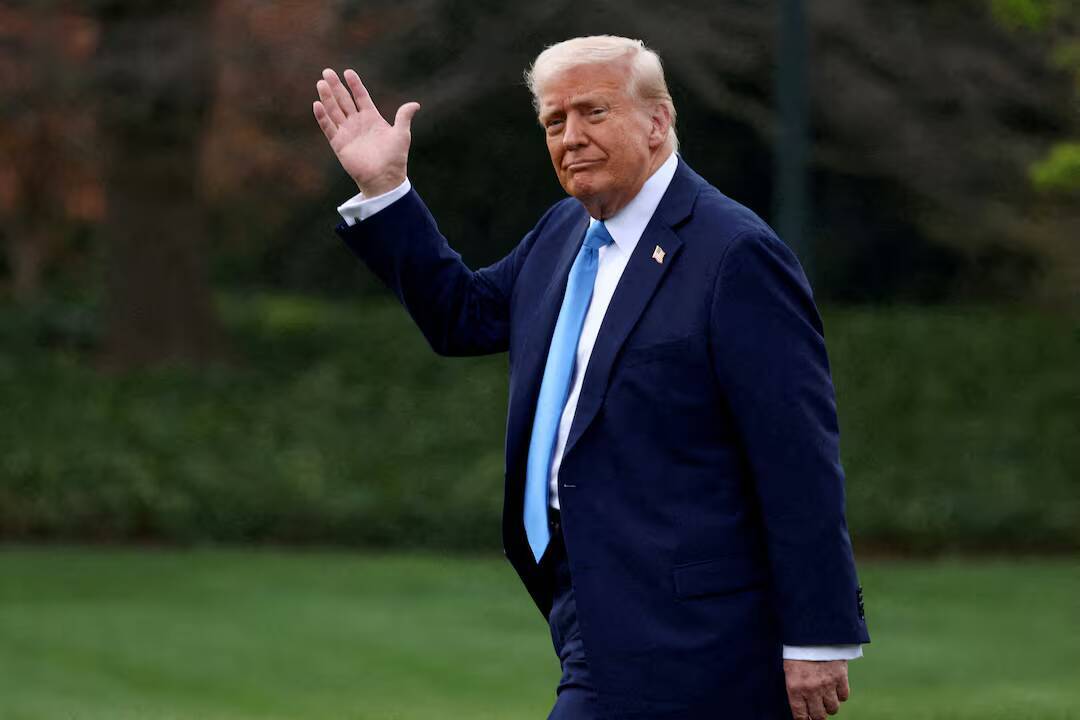
In a surprising move, it has been revealed that Donald Trump will continue to serve as the chairman of the ‘Gaza Board of Peace’ even after he is no longer the President of the United States. This news has raised several eyebrows, particularly in the international community, as it highlights the unique structure and workings of the Gaza Board of Peace. According to the charter of the organization, the chairman can only be removed from their position if they voluntarily resign or are voted “incapable” by the executive board. What’s more, the executive board is comprised of appointees chosen by the chairman himself, which in this case is Donald Trump.
This means that Trump will have significant control over the organization, even after he leaves office. The implications of this are far-reaching, and it has sparked debate among experts and policymakers. The Gaza Board of Peace was established with the aim of promoting peace and stability in the region, and Trump’s continued involvement has raised questions about the organization’s independence and effectiveness.
One of the most significant aspects of the Gaza Board of Peace is its charter, which outlines the rules and procedures governing the organization. The charter states that the chairman is responsible for setting the agenda and making key decisions, with the executive board providing support and guidance. However, the fact that the executive board is comprised of Trump’s appointees has led some to question whether the organization is truly independent.
Furthermore, Trump has invited several world leaders to join the Gaza Board of Peace, including Indian Prime Minister Narendra Modi. This move has been seen as an attempt to expand the organization’s reach and influence, but it also raises questions about the role of external actors in the region. The invitation to Modi has been particularly noteworthy, as India has historically maintained a delicate balance in its relations with the Middle East.
The Gaza Board of Peace has been touted as a platform for promoting peace and stability in the region, but its structure and workings have raised concerns about its effectiveness. The fact that Trump will remain chairman even after leaving office has led some to question whether the organization is truly committed to its stated goals. Moreover, the involvement of external actors such as Modi has sparked debate about the role of international players in the region.
Despite these concerns, the Gaza Board of Peace has the potential to play a significant role in promoting peace and stability in the region. The organization’s focus on economic development and humanitarian aid could help to address some of the underlying issues driving conflict in the region. However, for the organization to be truly effective, it must demonstrate its independence and commitment to its stated goals.
In conclusion, the news that Donald Trump will remain chairman of the Gaza Board of Peace even after leaving office has raised several questions about the organization’s structure and workings. The charter’s provisions, which allow the chairman to remain in power unless they resign or are voted “incapable” by the executive board, have sparked debate about the organization’s independence and effectiveness. As the Gaza Board of Peace moves forward, it will be important to watch how it navigates these challenges and demonstrates its commitment to promoting peace and stability in the region.
The involvement of external actors such as Modi has added a new layer of complexity to the situation, and it will be interesting to see how the organization balances its relationships with various international players. Ultimately, the success of the Gaza Board of Peace will depend on its ability to demonstrate its independence, effectiveness, and commitment to its stated goals.
As the situation continues to unfold, it will be important to monitor the developments and assess the implications of Trump’s continued involvement with the Gaza Board of Peace. The organization’s potential to promote peace and stability in the region is significant, but it must navigate the challenges and complexities that lie ahead.
About the Author