Trump to remain chairman of ‘Gaza Board of Peace’ even when he’s not US President
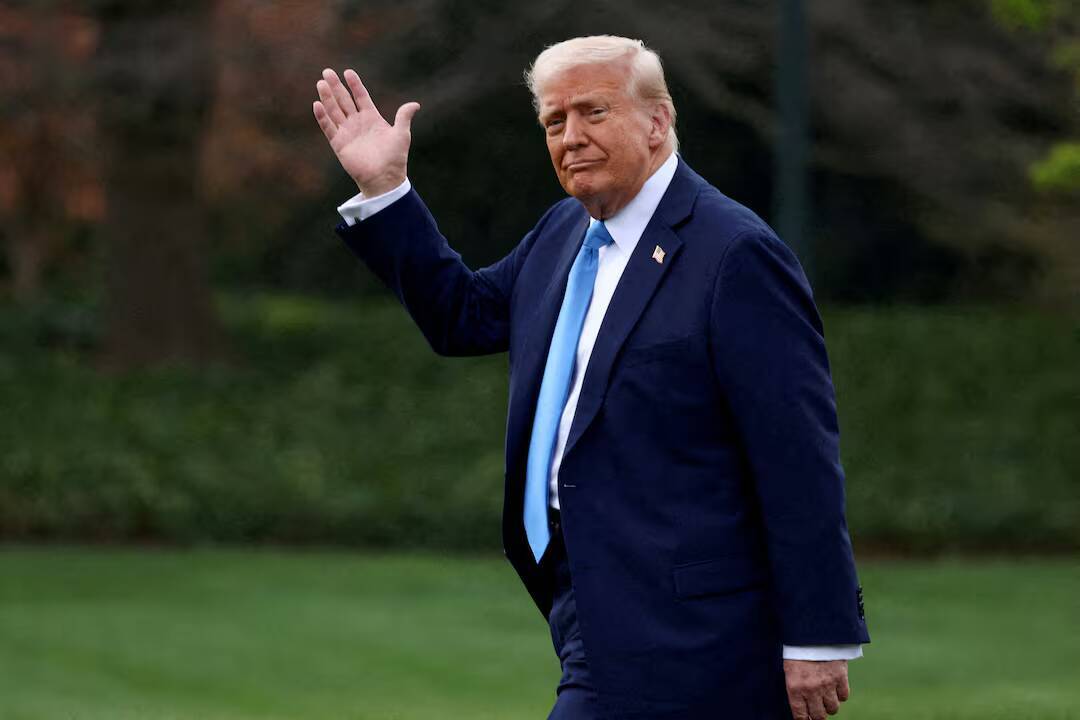
The Gaza Board of Peace, a newly formed organization aimed at promoting peace and stability in the Gaza region, has been making headlines recently. One of the most significant aspects of this board is that Donald Trump, the former President of the United States, will remain its chairman even if he is no longer in office. This has raised several eyebrows, with many questioning the implications of such a move.
According to the charter of the Gaza Board of Peace, the chairman can only be removed from their position if they voluntarily resign or are voted “incapable” by the executive board. The executive board, however, is comprised of appointees chosen by Trump himself, making it highly unlikely that he will be removed from his position. This has led to concerns about the potential for conflicts of interest and the concentration of power in the hands of one individual.
Despite these concerns, Trump has been actively promoting the Gaza Board of Peace, inviting several world leaders to join the organization. One notable invitee is Prime Minister Narendra Modi of India, who has been asked to be a part of the board. This move has been seen as a significant development, given the strategic importance of India in the region.
The invitation to PM Modi has also raised several questions about India’s potential role in the Gaza Board of Peace. Will India accept the invitation and join the board, or will it maintain a safe distance? What implications will this have for India’s relationships with other countries in the region, particularly Pakistan?
The Gaza Board of Peace has been touted as a platform for promoting peace and stability in the Gaza region, which has been plagued by conflict and violence for decades. The board’s goals include promoting economic development, improving living standards, and fostering a sense of community and cooperation among the people of Gaza.
However, the board’s effectiveness in achieving these goals is still uncertain. With Trump at the helm, there are concerns that the board may be seen as a tool for advancing American interests in the region, rather than a genuine effort to promote peace and stability. The fact that Trump will remain chairman even when he is no longer in office has only added to these concerns.
Furthermore, the Gaza Board of Peace has also been criticized for its lack of transparency and accountability. The board’s charter and operational details are not publicly available, making it difficult to assess its true intentions and goals. This lack of transparency has led to speculation and skepticism about the board’s true motives.
In conclusion, the Gaza Board of Peace is a complex and contentious issue, with many questions still unanswered. While the board’s goals of promoting peace and stability in the Gaza region are laudable, the concentration of power in the hands of one individual and the lack of transparency and accountability are significant concerns. As the board moves forward, it will be important to closely monitor its activities and ensure that it is truly working in the best interests of the people of Gaza.
The invitation to PM Modi to join the board has added a new layer of complexity to the issue, with implications for India’s relationships with other countries in the region. As India considers its response to the invitation, it will be important to carefully weigh the potential benefits and risks of joining the board.
Ultimately, the success of the Gaza Board of Peace will depend on its ability to promote genuine peace and stability in the region, while also ensuring transparency and accountability. Only time will tell if the board will be able to achieve these goals, but for now, it remains a topic of intense scrutiny and debate.
About the Author