95% of AI Pilots Fail to Deliver Meaningful Efficiency: TCS CEO
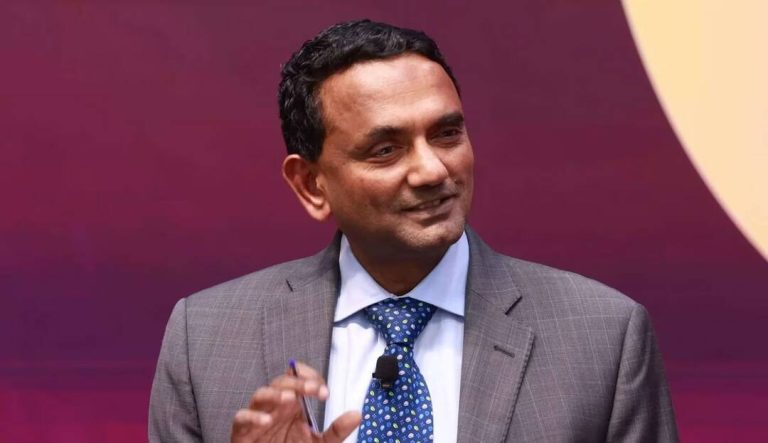
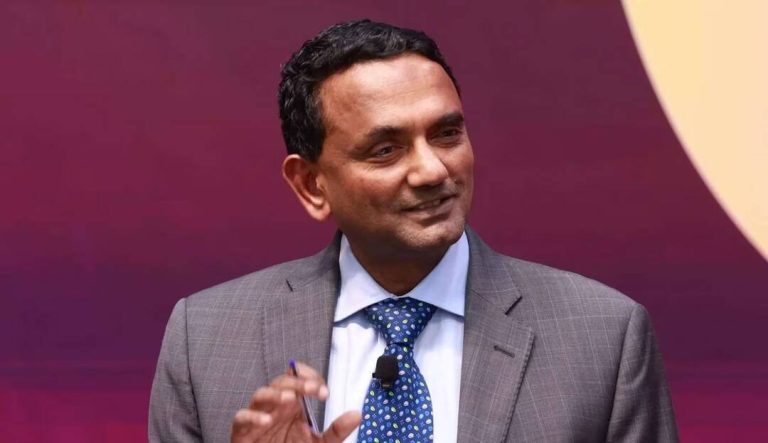
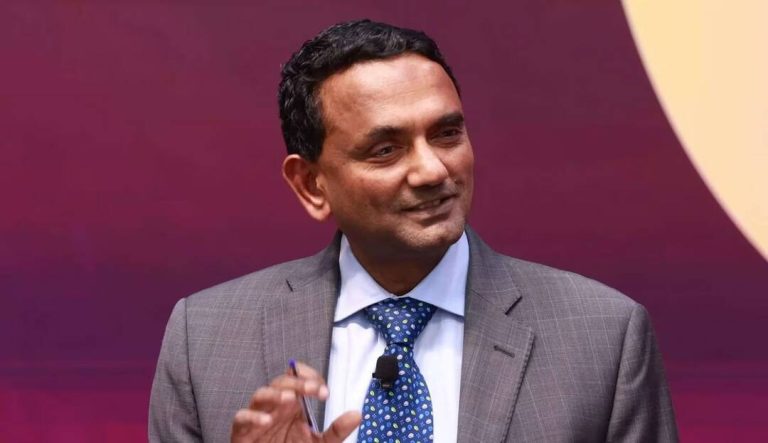
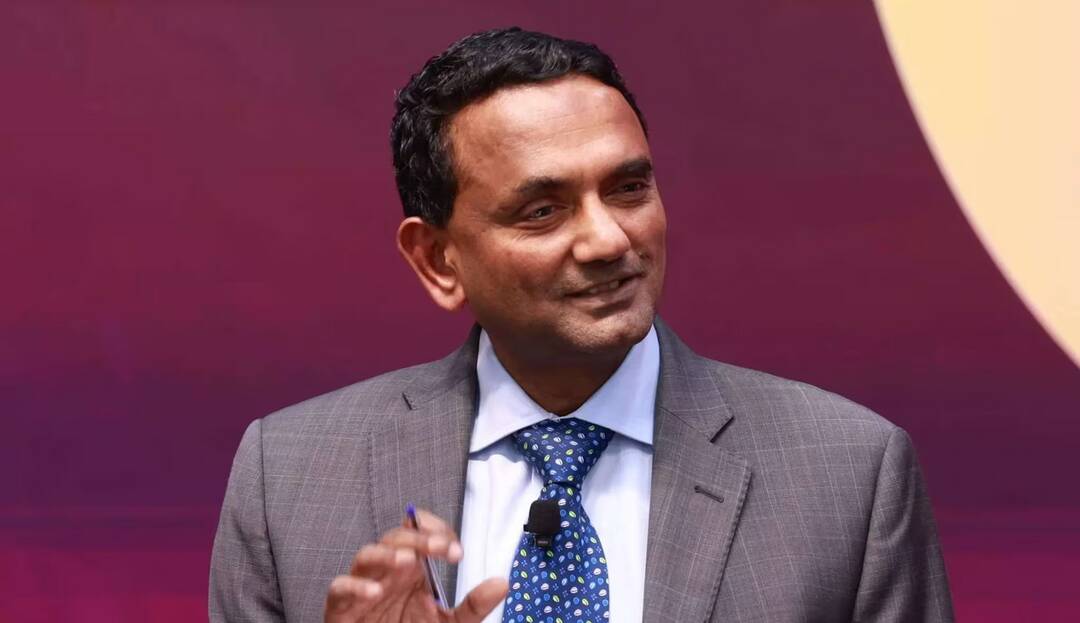
The world of artificial intelligence (AI) has been abuzz with excitement and promise, with many organizations investing heavily in AI pilots to drive efficiency and innovation. However, according to Tata Consultancy Services (TCS) CEO K Krithivasan, a staggering 95% of these AI pilots have failed to deliver measurable value. This sobering statistic was revealed by Krithivasan, citing research, and highlights the challenges that many organizations face in harnessing the true potential of AI.
Krithivasan’s comments were made as we look ahead to 2026, a year that is expected to bring significant advancements in AI technology. Despite the hype surrounding AI, the TCS CEO notes that the reality is more nuanced. “As we look ahead to 2026, a clearer picture of AI’s impact is emerging,” he said. Krithivasan added, “We are witnessing…a new form of organisational intelligence, where combinations of humans and machines shape how choices are developed, presented and discussed.” This new form of organizational intelligence is expected to have a profound impact on the way businesses operate, but it also highlights the need for a more thoughtful and strategic approach to AI adoption.
The failure of AI pilots to deliver meaningful efficiency is a complex issue, with multiple factors contributing to this outcome. One of the primary reasons is the lack of clear goals and objectives for AI initiatives. Many organizations launch AI pilots without a clear understanding of what they want to achieve, or how they will measure success. This lack of clarity can lead to confusion and misdirection, resulting in AI pilots that fail to deliver tangible benefits.
Another challenge facing AI adoption is the need for significant cultural and organizational change. AI is not just a technology, but a way of working that requires collaboration, experimentation, and continuous learning. Organizations that are not willing or able to adapt to these new ways of working are likely to struggle with AI adoption. This is particularly true for organizations with rigid hierarchies and siloed departments, where the free flow of ideas and information is hindered.
Krithivasan also highlighted the importance of combining human and machine intelligence to drive business value. While AI has the potential to automate many routine tasks, it is the combination of human and machine intelligence that can drive truly transformative outcomes. This requires a deep understanding of the strengths and limitations of both humans and machines, and the ability to design workflows and processes that leverage the best of both worlds.
To overcome the challenges of AI adoption and deliver meaningful efficiency, Krithivasan emphasized the need for a clear and strategic approach. This includes defining clear goals and objectives for AI initiatives, building a culture of experimentation and continuous learning, and leveraging the strengths of both human and machine intelligence. By taking a more thoughtful and strategic approach to AI adoption, organizations can unlock the true potential of AI and drive significant business value.
In addition to these principles, Krithivasan also highlighted the importance of data quality, AI explainability, and ethics in AI adoption. High-quality data is essential for training AI models, while AI explainability is critical for building trust and understanding in AI-driven decision-making. Ethics in AI is also essential, as organizations must ensure that AI systems are fair, transparent, and free from bias.
As we look ahead to 2026, it is clear that AI will continue to play a significant role in shaping the future of business. While the statistic that 95% of AI pilots fail to deliver meaningful efficiency is sobering, it also highlights the need for a more thoughtful and strategic approach to AI adoption. By combining human and machine intelligence, leveraging the strengths of both, and following a clear and strategic approach, organizations can unlock the true potential of AI and drive significant business value.
In conclusion, the comments made by TCS CEO K Krithivasan serve as a reminder that AI adoption is not a guarantee of success. While AI has the potential to drive significant efficiency and innovation, it requires a clear and strategic approach to deliver meaningful value. As organizations look to the future and consider their AI strategies, they must be mindful of the challenges and complexities involved, and take a thoughtful and nuanced approach to AI adoption.
About the Author