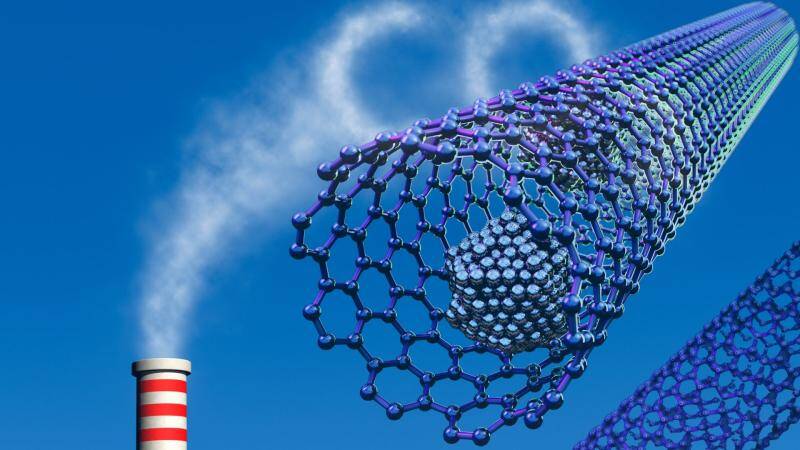
Safer method boosts gas capture for clean energy
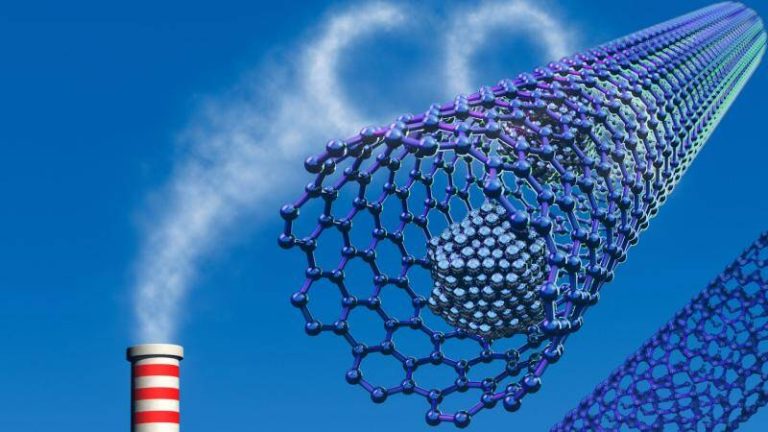
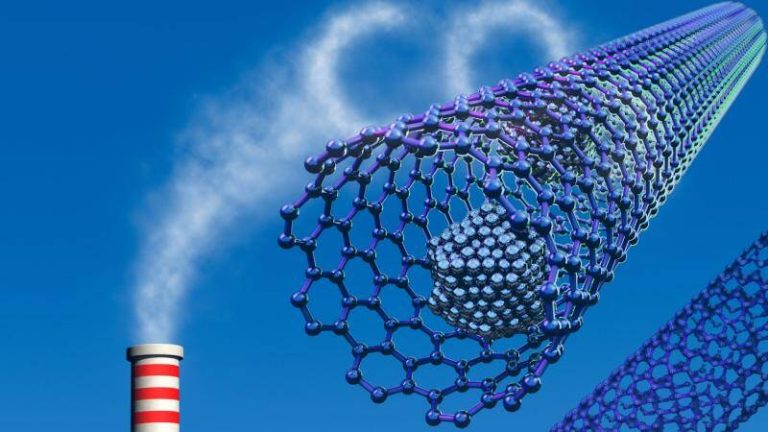
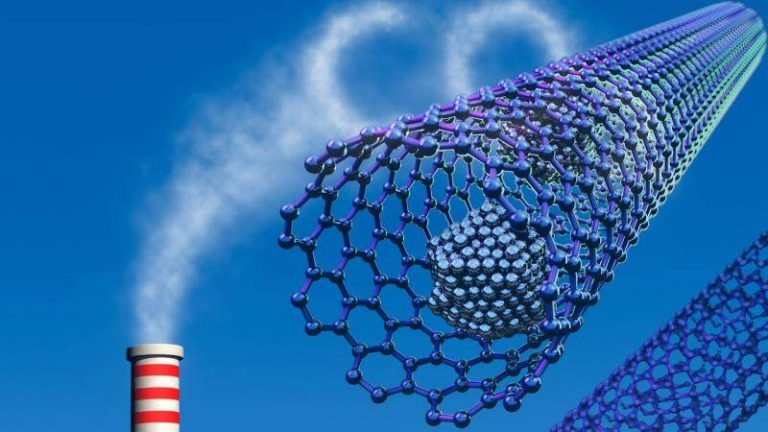
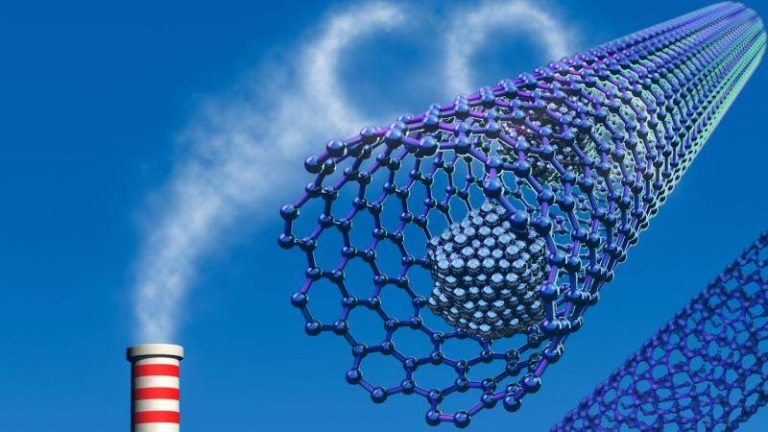
The world is grappling with the challenges of climate change, and one of the most pressing issues is the increasing levels of greenhouse gases in the atmosphere. Carbon dioxide, in particular, is a major contributor to global warming, and finding effective ways to capture and store it is crucial for mitigating its impact. Researchers have been exploring various methods to achieve this, and a recent breakthrough in the synthesis of metal-organic frameworks (MOFs) is paving the way for more efficient and safer carbon capture and storage.
Traditional methods of synthesizing MOFs involve the use of toxic hydrofluoric acid, which is a significant concern due to its hazardous nature. Hydrofluoric acid is a highly corrosive and toxic substance that requires specialized handling and equipment, making it a major safety risk for researchers and industrial workers. Moreover, the use of this acid can also lead to environmental contamination and health problems.
To address these concerns, researchers have developed a fluoride-free synthesis method for MOFs, which replaces hydrofluoric acid with safer modulators. This innovative approach not only eliminates the risks associated with hydrofluoric acid but also simplifies the synthesis process, making it more efficient and cost-effective.
The new method produces superior crystals that are more effective at trapping greenhouse gases and storing hydrogen at room temperature. This is a significant breakthrough, as it enables the development of more efficient carbon capture and storage systems that can operate at lower costs and with greater safety. The potential applications of this technology are vast, ranging from affordable carbon scrubbers to advanced atmospheric water harvesting systems.
One of the most exciting aspects of this research is its potential to contribute to the global fight against climate change. By providing a safer and more efficient method for capturing and storing carbon dioxide, this technology can help reduce the amount of greenhouse gases in the atmosphere, thereby mitigating the impacts of global warming. Moreover, the ability to store hydrogen at room temperature opens up new possibilities for the development of clean energy systems, such as fuel cells and hydrogen-powered vehicles.
The implications of this research extend beyond the environmental benefits, as it also has the potential to drive economic growth and create new industries. The development of more efficient carbon capture and storage systems can create new job opportunities and stimulate innovation, leading to the creation of new technologies and products.
Furthermore, this research highlights the importance of interdisciplinary collaboration and the need for scientists and engineers to work together to address complex problems. The development of the fluoride-free synthesis method for MOFs is a testament to the power of collaborative research, as it brings together experts from various fields to achieve a common goal.
In conclusion, the development of a safer method for synthesizing metal-organic frameworks is a significant breakthrough in the quest for clean energy and climate change mitigation. By replacing toxic hydrofluoric acid with safer modulators, researchers have created a more efficient and cost-effective method for capturing and storing greenhouse gases. The potential applications of this technology are vast, and its impact can be felt across various industries and sectors. As we continue to grapple with the challenges of climate change, innovations like this remind us of the power of human ingenuity and the importance of investing in research and development.
The future of clean energy and climate change mitigation looks promising, thanks to the dedication and hard work of researchers and scientists. As we move forward, it is essential to continue supporting and funding research initiatives that focus on developing innovative solutions to our most pressing environmental challenges. By working together, we can create a more sustainable and equitable future for all.
About the Author