Safer method boosts gas capture for clean energy
The world is shifting towards clean energy, and one of the most crucial steps in this transition is the development of efficient methods for capturing and storing greenhouse gases. Metal-organic frameworks (MOFs) have emerged as a promising solution for this purpose, owing to their unique ability to trap gases and store hydrogen. However, the traditional synthesis methods for MOFs have been limited by the use of toxic hydrofluoric acid, which poses significant environmental and health risks. Recently, researchers have made a breakthrough by developing a fluoride-free synthesis method for MOFs, replacing hydrofluoric acid with safer modulators. This innovative approach not only simplifies the production process but also yields superior crystals that can capture greenhouse gases and store hydrogen more efficiently at room temperature.
The new synthesis method has significant implications for the development of affordable carbon scrubbers and advanced atmospheric water harvesting systems, which are essential for mitigating climate change globally. The simplified process allows for the production of high-quality MOFs on a larger scale, making them more accessible for various applications. Moreover, the use of safer modulators reduces the environmental impact of MOF production, aligning with the principles of green chemistry.
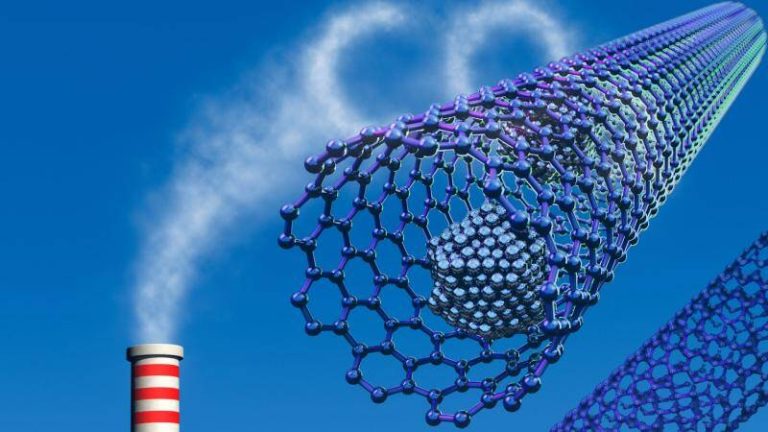
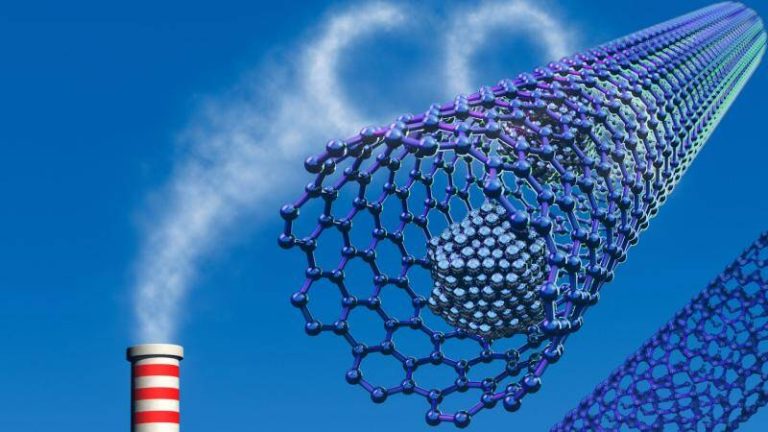
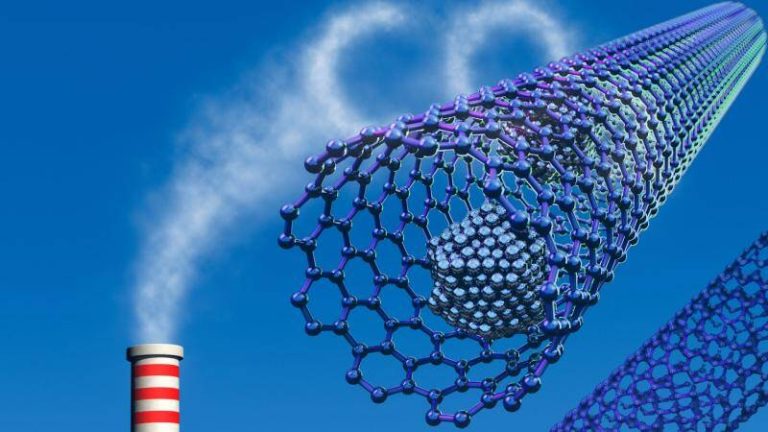
MOFs are porous materials composed of metal ions and organic linkers, which create a three-dimensional framework with a high surface area. This unique structure enables MOFs to adsorb and store gases, including carbon dioxide, methane, and hydrogen. The traditional synthesis methods for MOFs involve the use of hydrofluoric acid, which is highly corrosive and toxic. The acid is used to modulate the growth of MOF crystals, but it also poses significant risks to human health and the environment.
The new fluoride-free synthesis method developed by researchers replaces hydrofluoric acid with safer modulators, such as benign organic acids or salts. These modulators control the growth of MOF crystals, allowing for the production of high-quality materials with improved properties. The resulting MOFs exhibit enhanced gas adsorption capacities, making them more efficient for carbon capture and storage applications.
One of the most significant advantages of the new synthesis method is its ability to produce MOFs that can capture greenhouse gases at room temperature. This is a critical factor, as most industrial processes operate at ambient temperatures, and the ability to capture gases under these conditions can significantly reduce energy costs. The MOFs produced using the new method can also store hydrogen more efficiently, which is essential for the development of fuel cell technologies and other clean energy applications.
The implications of this breakthrough are far-reaching, with potential applications in various fields, including energy, environment, and industry. The development of affordable carbon scrubbers, for example, can help reduce greenhouse gas emissions from power plants and industrial processes, contributing to a cleaner and healthier environment. Advanced atmospheric water harvesting systems can also be designed using MOFs, providing a sustainable solution for water scarcity and food production in arid regions.
Furthermore, the new synthesis method can be used to produce MOFs with tailored properties, allowing for the development of customized materials for specific applications. This flexibility can lead to the creation of novel technologies, such as more efficient gas separation membranes, catalytic systems, and sensors.
In conclusion, the development of a fluoride-free synthesis method for metal-organic frameworks marks a significant milestone in the pursuit of clean energy and environmental sustainability. The new approach not only simplifies the production process but also yields superior MOFs with enhanced gas adsorption capacities. As researchers continue to explore the potential of MOFs, this breakthrough is expected to pave the way for the development of affordable carbon scrubbers, advanced atmospheric water harvesting systems, and other innovative technologies that can help mitigate climate change globally.
The future of clean energy is looking brighter, thanks to the dedication of researchers and scientists who are working tirelessly to develop more efficient and sustainable solutions. As we continue to transition towards a cleaner and more environmentally friendly energy landscape, the importance of innovative technologies like MOFs cannot be overstated. With the new synthesis method, we are one step closer to a future where energy production and consumption are not only sustainable but also environmentally responsible.
News Source: https://researchmatters.in/news/greener-path-synthesising-metal-organic-frameworks-carbon-capture-and-storage
About the Author