Safer method boosts gas capture for clean energy
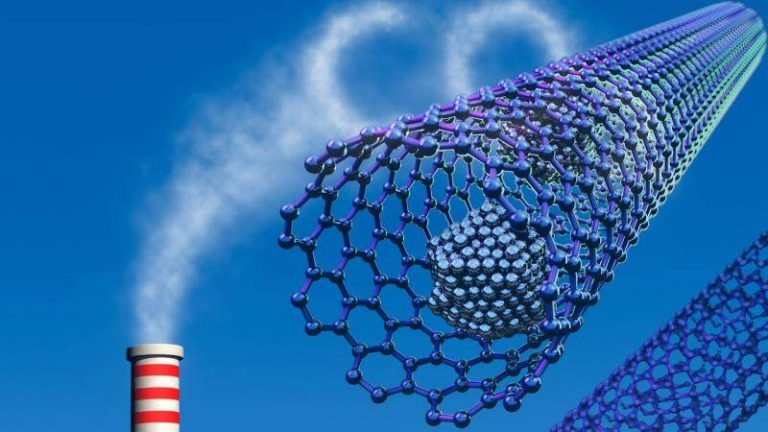
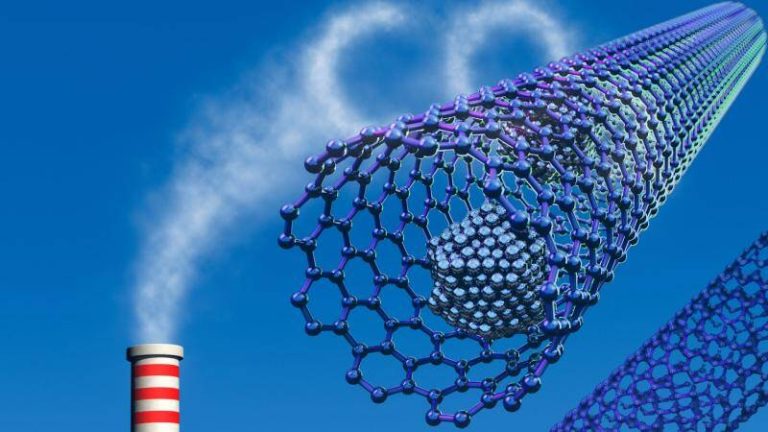
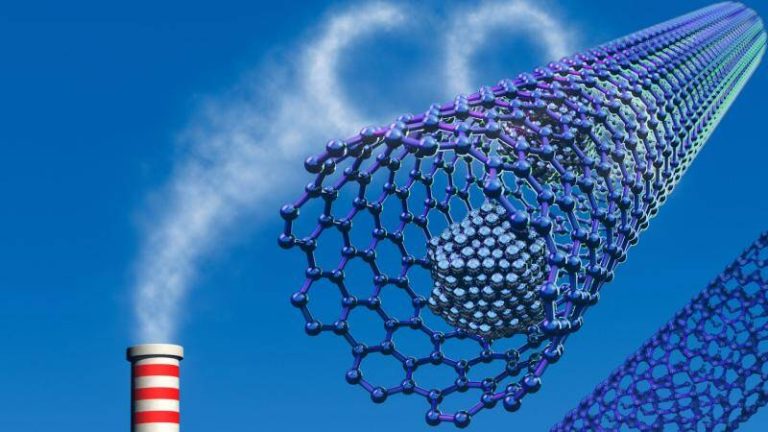
The world is grappling with the challenges of climate change, and one of the most effective ways to combat it is by reducing greenhouse gas emissions. Carbon capture and storage (CCS) is a crucial technology that can help mitigate the effects of climate change by capturing and storing CO2 emissions from power plants and industrial processes. However, the current methods of CCS are often expensive, energy-intensive, and rely on toxic chemicals. Recently, researchers have made a breakthrough in developing a safer and more efficient method for capturing greenhouse gases, paving the way for affordable carbon scrubbers and advanced atmospheric water harvesting systems.
The new method involves the synthesis of metal-organic frameworks (MOFs), which are highly porous materials that can trap gases, including CO2 and hydrogen. MOFs have been shown to be highly effective in capturing greenhouse gases, but their synthesis often requires the use of toxic hydrofluoric acid, which is a major concern for environmental and health reasons. The researchers have developed a fluoride-free synthesis method that replaces hydrofluoric acid with safer modulators, making the process more environmentally friendly and safer for the workers involved.
The new method is not only safer but also produces superior crystals that have a higher surface area and pore volume, making them more efficient at trapping gases. The researchers found that the MOFs synthesized using the new method can capture CO2 and hydrogen more efficiently at room temperature, which is a significant advantage over existing methods. This is because most CCS technologies require high temperatures and pressures to capture CO2, which increases their energy consumption and cost.
The implications of this breakthrough are significant. The new method could enable the widespread adoption of CCS technology, which is critical for reducing greenhouse gas emissions from power plants and industrial processes. CCS can capture up to 90% of CO2 emissions from these sources, making it a crucial technology for mitigating climate change. Additionally, the MOFs synthesized using the new method could be used to develop advanced atmospheric water harvesting systems, which could provide clean drinking water for millions of people around the world.
The researchers’ findings have been published in a recent study, which demonstrates the effectiveness of the new synthesis method. The study shows that the MOFs produced using the fluoride-free method have a higher CO2 uptake capacity and selectivity than those synthesized using traditional methods. The study also highlights the potential of the new method for large-scale industrial applications, which could lead to a significant reduction in greenhouse gas emissions.
The development of this new method is a significant step forward in the quest for clean energy and a more sustainable future. The use of MOFs for gas capture and storage has the potential to revolutionize the way we approach CCS and could play a critical role in reducing greenhouse gas emissions. The fact that the new method is safer, more efficient, and produces superior crystals makes it an attractive option for industries and governments looking to adopt CCS technology.
Furthermore, the new method could also enable the development of more efficient hydrogen storage systems, which are critical for the widespread adoption of fuel cell technology. Fuel cells have the potential to replace traditional fossil fuel-based power systems, but they require efficient and safe hydrogen storage systems. The MOFs synthesized using the new method could provide a solution to this challenge, enabling the development of more efficient and compact hydrogen storage systems.
In conclusion, the development of a safer and more efficient method for capturing greenhouse gases is a significant breakthrough in the quest for clean energy and a more sustainable future. The new method has the potential to enable the widespread adoption of CCS technology, which is critical for reducing greenhouse gas emissions from power plants and industrial processes. The use of MOFs for gas capture and storage could also lead to the development of advanced atmospheric water harvesting systems and more efficient hydrogen storage systems, which could have a significant impact on the environment and human health.
As the world continues to grapple with the challenges of climate change, the development of new technologies and methods that can help reduce greenhouse gas emissions is critical. The new method for synthesizing MOFs is a significant step forward in this quest, and its potential applications are vast. As researchers continue to explore the possibilities of MOFs, we can expect to see significant advancements in the field of clean energy and a more sustainable future for all.
News source: https://researchmatters.in/news/greener-path-synthesising-metal-organic-frameworks-carbon-capture-and-storage
About the Author