Safer method boosts gas capture for clean energy
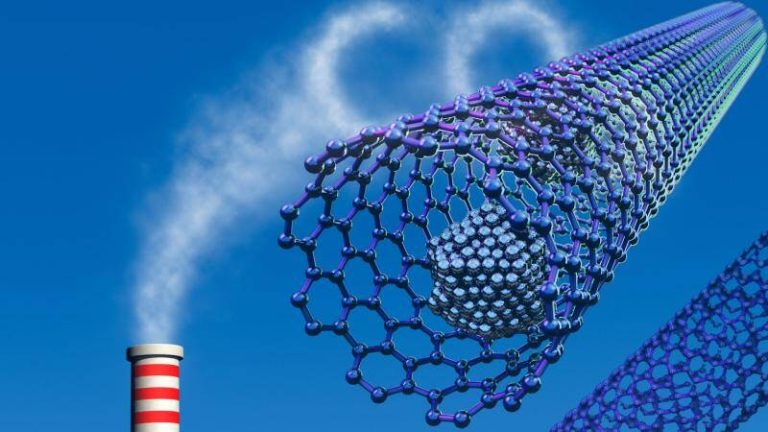
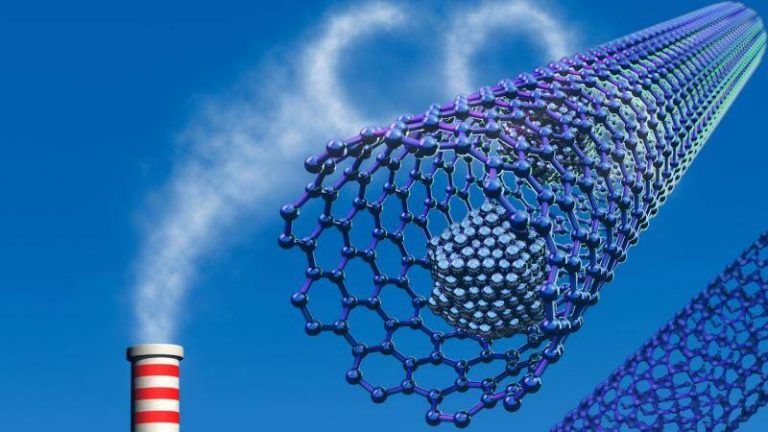
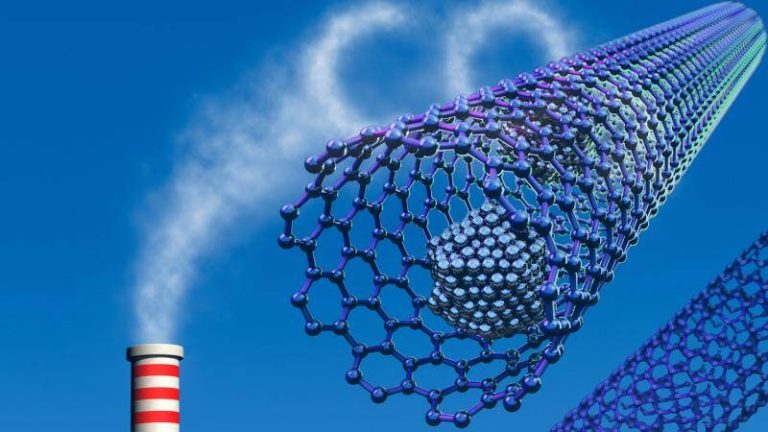
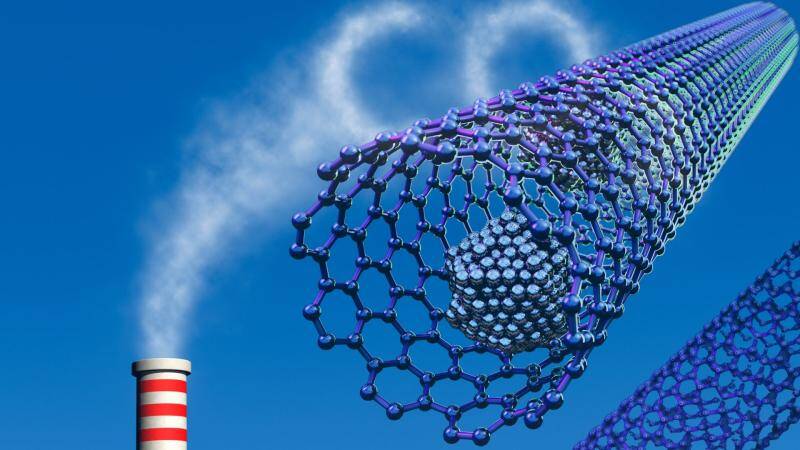
The world is shifting towards clean energy to combat climate change, and one of the crucial steps in this transition is the development of efficient carbon capture and storage technologies. Metal-organic frameworks (MOFs) have emerged as a promising material for this purpose, owing to their high surface area and tunable properties. However, the traditional synthesis methods for MOFs often involve the use of toxic hydrofluoric acid, which poses significant environmental and health risks. In a breakthrough, researchers have developed a fluoride-free synthesis method for MOFs, replacing hydrofluoric acid with safer modulators. This innovative approach not only simplifies the synthesis process but also produces superior crystals that can trap greenhouse gases and store hydrogen more efficiently at room temperature.
The new method has significant implications for the development of affordable carbon scrubbers and advanced atmospheric water harvesting systems, which are essential for mitigating climate change globally. The simplified synthesis process reduces the production costs of MOFs, making them more accessible for large-scale industrial applications. Moreover, the use of safer modulators eliminates the environmental and health hazards associated with hydrofluoric acid, ensuring a more sustainable and responsible approach to clean energy production.
MOFs are a class of porous materials that consist of metal nodes connected by organic linkers. Their unique structure allows them to trap and store gases, including carbon dioxide, methane, and hydrogen, with high efficiency. The traditional synthesis methods for MOFs involve the use of hydrofluoric acid, which acts as a modulator to control the size and shape of the crystals. However, hydrofluoric acid is highly toxic and corrosive, requiring specialized equipment and handling procedures to minimize the risks.
The researchers’ new approach replaces hydrofluoric acid with safer modulators, such as benign organic molecules or ions, which can control the crystal growth and morphology without compromising the quality of the MOFs. The resulting crystals exhibit superior properties, including higher surface areas, larger pore volumes, and improved thermal stability. These enhanced properties enable the MOFs to capture and store gases more efficiently, making them ideal for various applications, including carbon capture and storage, hydrogen storage, and atmospheric water harvesting.
One of the most significant advantages of the new synthesis method is its ability to produce MOFs that can operate efficiently at room temperature. Most MOFs require high temperatures or pressures to function effectively, which can increase the energy consumption and costs of the system. The new MOFs, on the other hand, can capture and store gases at ambient temperatures, reducing the energy requirements and making them more suitable for practical applications.
The potential impact of this breakthrough is substantial, as it can enable the widespread adoption of carbon capture and storage technologies, which are critical for reducing greenhouse gas emissions and mitigating climate change. The new MOFs can be used to develop affordable carbon scrubbers that can be integrated into power plants, industrial processes, and other emission sources, reducing the amount of carbon dioxide released into the atmosphere.
Furthermore, the advanced MOFs can also be used for atmospheric water harvesting, which involves capturing and condensing water vapor from the air to produce clean drinking water. This technology has significant implications for communities in arid or water-scarce regions, where access to clean water is limited. The new MOFs can help to improve the efficiency and effectiveness of atmospheric water harvesting systems, providing a sustainable and reliable source of clean water for millions of people worldwide.
In conclusion, the development of a fluoride-free synthesis method for MOFs is a significant breakthrough in the field of clean energy production. The new approach not only simplifies the synthesis process but also produces superior crystals that can trap greenhouse gases and store hydrogen more efficiently at room temperature. The potential applications of this technology are vast, ranging from carbon capture and storage to atmospheric water harvesting, and can play a critical role in mitigating climate change globally. As researchers continue to explore and develop new MOF-based technologies, we can expect to see significant advancements in the field of clean energy production, ultimately leading to a more sustainable and environmentally friendly future.
News Source: https://researchmatters.in/news/greener-path-synthesising-metal-organic-frameworks-carbon-capture-and-storage
About the Author