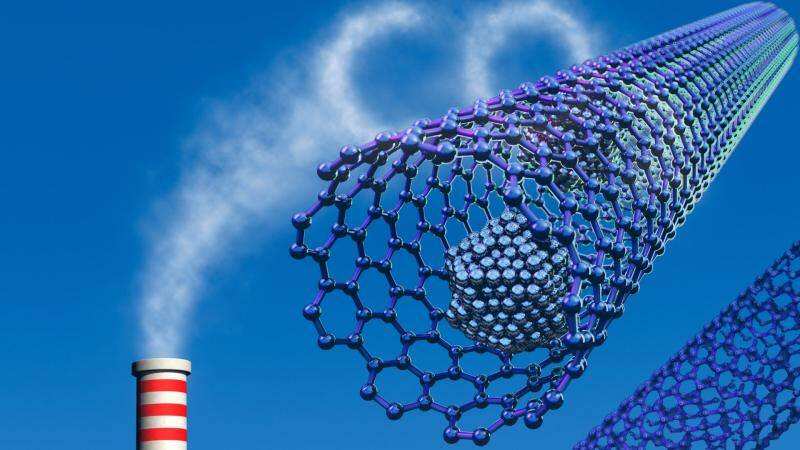
Safer method boosts gas capture for clean energy
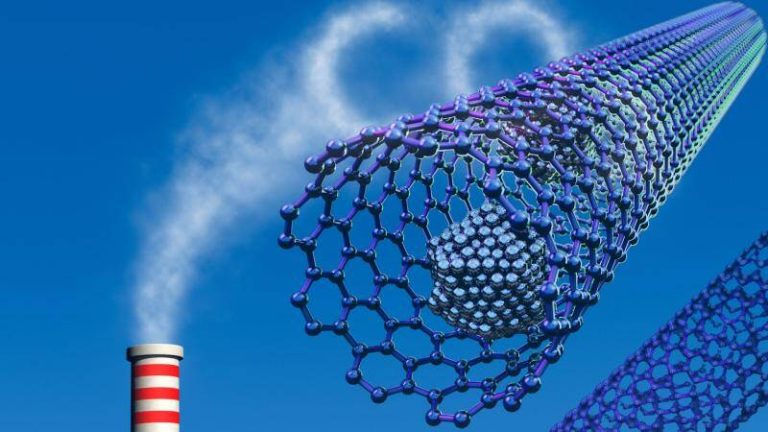
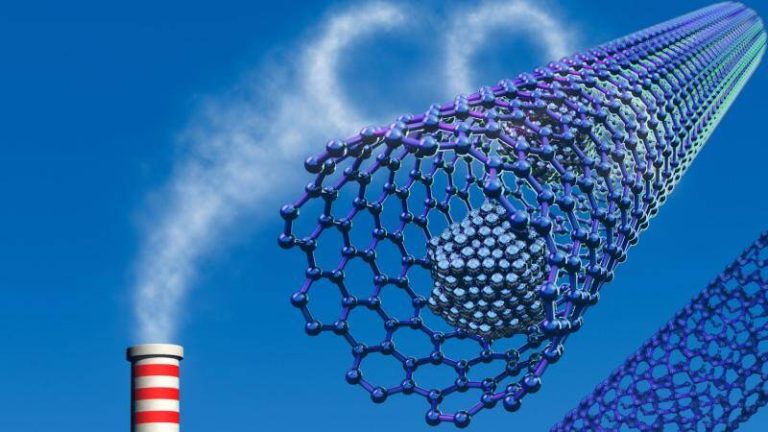
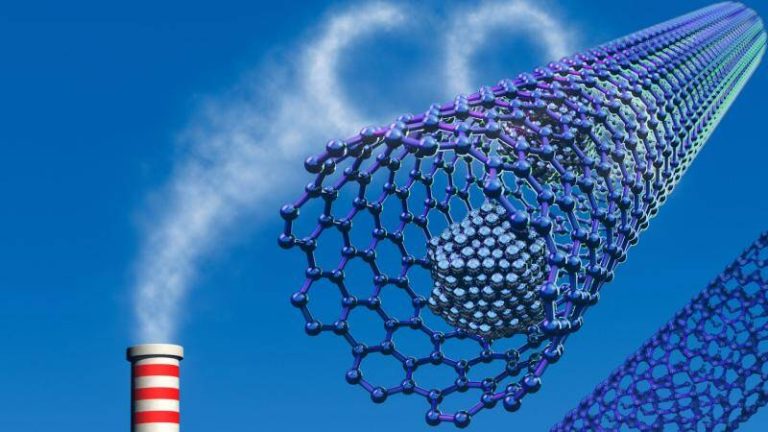
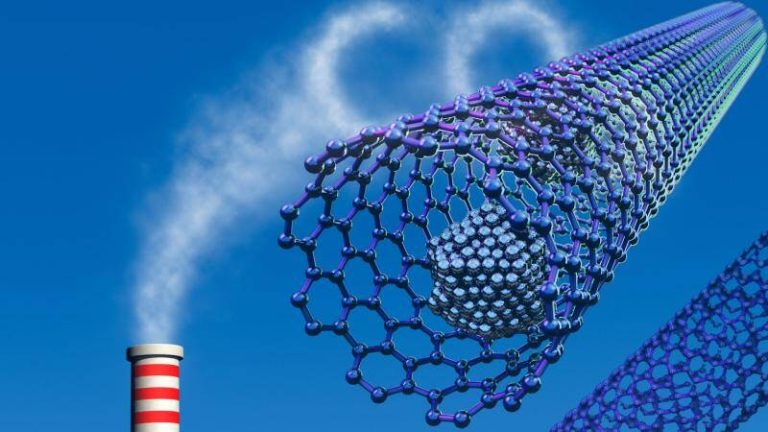
The world is grappling with the challenges of climate change, and one of the most pressing issues is the reduction of greenhouse gas emissions. Carbon capture and storage (CCS) is a crucial technology that can help mitigate the effects of climate change by capturing and storing CO2 emissions from power plants and industrial processes. However, current CCS technologies are often expensive, energy-intensive, and rely on toxic chemicals. Recently, researchers have made a significant breakthrough in developing a safer and more efficient method for synthesizing metal-organic frameworks (MOFs), which are porous materials that can trap greenhouse gases and store hydrogen.
The traditional method of synthesizing MOFs involves the use of hydrofluoric acid, a highly toxic and corrosive chemical that requires specialized equipment and handling procedures. However, a team of researchers has developed a fluoride-free synthesis method that replaces hydrofluoric acid with safer modulators. This simplified method produces superior crystals that can trap greenhouse gases and store hydrogen more efficiently at room temperature.
The new method uses a combination of organic linkers and metal ions to create a framework that is highly porous and has a large surface area. This allows the MOFs to capture and store gases more efficiently, making them ideal for carbon capture and storage applications. The researchers have demonstrated that their MOFs can capture CO2 from flue gas streams with high efficiency and selectivity, making them a promising material for CCS technologies.
One of the most significant advantages of the new method is that it eliminates the need for hydrofluoric acid, which is a major safety concern in the synthesis of MOFs. Hydrofluoric acid is highly toxic and can cause severe burns and respiratory problems if not handled properly. The new method uses safer modulators that are less toxic and easier to handle, making it a more attractive option for large-scale industrial applications.
The new MOFs synthesized using the fluoride-free method have also shown superior performance in terms of gas capture and storage. The researchers have demonstrated that their MOFs can capture CO2 from flue gas streams with high efficiency and selectivity, making them a promising material for CCS technologies. Additionally, the MOFs have shown high hydrogen storage capacity, making them suitable for advanced atmospheric water harvesting systems.
The implications of this breakthrough are significant, as it paves the way for the development of affordable carbon scrubbers and advanced atmospheric water harvesting systems. Carbon scrubbers are devices that can capture CO2 from the atmosphere, and advanced atmospheric water harvesting systems can extract water from air, even in arid regions. These technologies have the potential to make a significant impact on the global effort to reduce greenhouse gas emissions and mitigate the effects of climate change.
The development of the new MOFs also has significant implications for the energy sector. The ability to capture and store hydrogen efficiently at room temperature could lead to the development of more efficient fuel cells and hydrogen storage systems. This could enable the widespread adoption of hydrogen fuel cell vehicles, which are a promising alternative to traditional fossil fuel-based transportation.
In conclusion, the development of a safer and more efficient method for synthesizing MOFs is a significant breakthrough in the field of clean energy. The new method eliminates the need for hydrofluoric acid, making it a more attractive option for large-scale industrial applications. The superior performance of the new MOFs in terms of gas capture and storage makes them a promising material for CCS technologies and advanced atmospheric water harvesting systems. As the world continues to grapple with the challenges of climate change, this breakthrough has the potential to make a significant impact on the global effort to reduce greenhouse gas emissions and mitigate the effects of climate change.
The researchers’ work is a testament to the power of innovation and collaboration in addressing the world’s most pressing challenges. As we move forward, it is essential to continue investing in research and development to create new technologies and materials that can help us transition to a more sustainable and clean energy future.
News source: https://researchmatters.in/news/greener-path-synthesising-metal-organic-frameworks-carbon-capture-and-storage
About the Author