Safer method boosts gas capture for clean energy
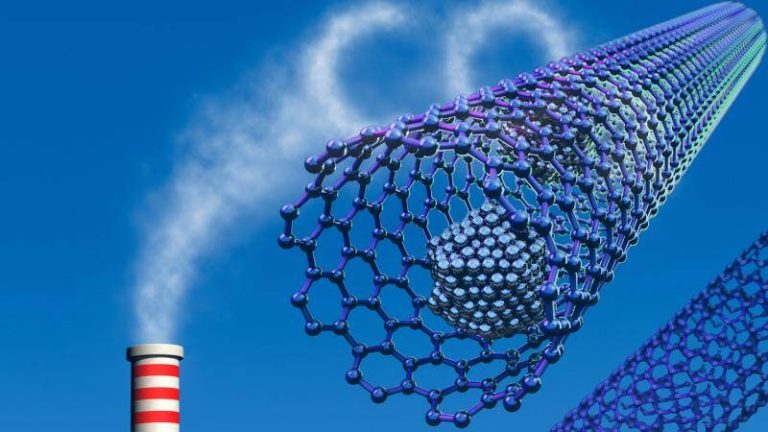
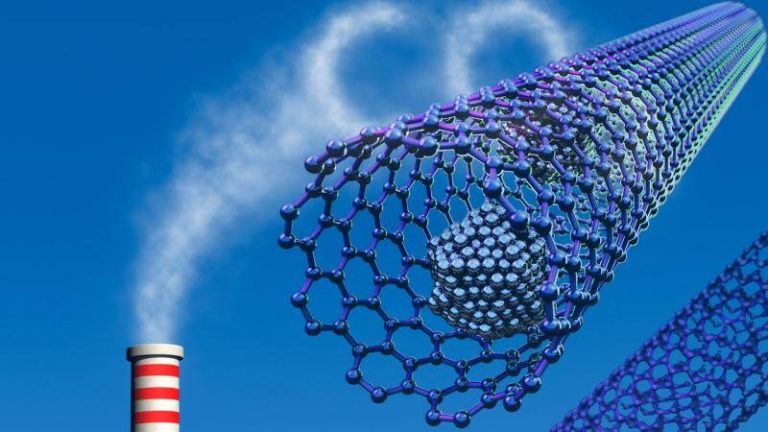
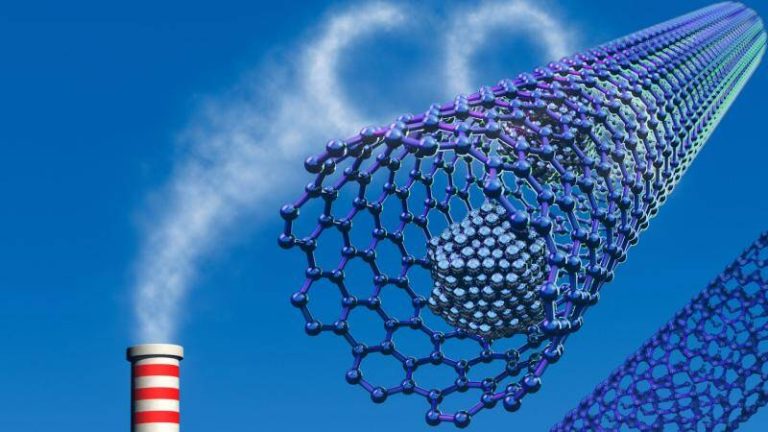
The world is grappling with the challenges of climate change, and one of the most pressing issues is the reduction of greenhouse gas emissions. Carbon capture and storage (CCS) technologies have emerged as a crucial solution to mitigate the effects of climate change by capturing and storing CO2 emissions from power plants, industrial processes, and other sources. However, the development of efficient and cost-effective CCS technologies has been hindered by the use of toxic chemicals in the synthesis of metal-organic frameworks (MOFs), which are porous materials that can trap greenhouse gases.
Recently, researchers have made a significant breakthrough in the synthesis of MOFs, developing a fluoride-free method that replaces toxic hydrofluoric acid with safer modulators. This innovative approach not only simplifies the synthesis process but also produces superior crystals that can trap greenhouse gases and store hydrogen more efficiently at room temperature. This breakthrough has the potential to pave the way for the development of affordable carbon scrubbers and advanced atmospheric water harvesting systems, which can play a crucial role in fighting climate change globally.
The problem with traditional MOF synthesis
Traditional MOF synthesis methods involve the use of hydrofluoric acid, a highly toxic and corrosive chemical that requires specialized equipment and handling procedures. The use of hydrofluoric acid poses significant risks to human health and the environment, making it a major concern for researchers and industry professionals. Moreover, the traditional synthesis method is complex and time-consuming, resulting in low yields and poor crystal quality.
The new fluoride-free synthesis method
The new synthesis method developed by researchers uses a combination of safer modulators, such as ammonium fluoride and sodium fluoride, to create MOFs. This approach eliminates the need for hydrofluoric acid, making the synthesis process safer and more environmentally friendly. The modulators used in this method are also less expensive and more readily available than hydrofluoric acid, reducing the overall cost of MOF production.
The new method also simplifies the synthesis process, allowing for the production of high-quality MOF crystals with improved porosity and surface area. The resulting MOFs have been shown to have superior gas capture and storage capabilities, making them ideal for use in CCS technologies.
Improved gas capture and storage capabilities
The MOFs produced using the new fluoride-free synthesis method have been shown to have improved gas capture and storage capabilities, particularly for CO2 and hydrogen. The MOFs exhibit high selectivity and affinity for these gases, allowing for efficient capture and storage at room temperature. This is significant, as it reduces the energy required for gas capture and storage, making the process more efficient and cost-effective.
The improved gas capture and storage capabilities of the MOFs also make them suitable for use in advanced atmospheric water harvesting systems. These systems use MOFs to capture water vapor from the air, which can then be condensed and used as a source of clean drinking water. This technology has the potential to provide clean water for millions of people around the world, particularly in areas where access to clean water is limited.
Paving the way for affordable carbon scrubbers
The development of the new fluoride-free synthesis method has significant implications for the development of affordable carbon scrubbers. Carbon scrubbers are devices that use MOFs to capture CO2 from power plant emissions, reducing the amount of greenhouse gases released into the atmosphere. The use of MOFs produced using the new synthesis method could make carbon scrubbers more efficient and cost-effective, paving the way for widespread adoption in the power industry.
The reduced cost of MOF production using the new method could also make carbon scrubbers more accessible to developing countries, where the need for clean energy solutions is most pressing. This could have a significant impact on global efforts to reduce greenhouse gas emissions and mitigate the effects of climate change.
Conclusion
The development of a fluoride-free synthesis method for MOFs is a significant breakthrough in the field of clean energy research. The new method simplifies the synthesis process, produces superior crystals, and eliminates the need for toxic hydrofluoric acid. The resulting MOFs have improved gas capture and storage capabilities, making them ideal for use in CCS technologies, including carbon scrubbers and advanced atmospheric water harvesting systems.
As the world continues to grapple with the challenges of climate change, the development of efficient and cost-effective CCS technologies is crucial. The new fluoride-free synthesis method for MOFs has the potential to play a significant role in this effort, paving the way for the widespread adoption of carbon scrubbers and other clean energy solutions. With further research and development, this technology could have a major impact on global efforts to reduce greenhouse gas emissions and mitigate the effects of climate change.
News source: https://researchmatters.in/news/greener-path-synthesising-metal-organic-frameworks-carbon-capture-and-storage
About the Author