Safer method boosts gas capture for clean energy
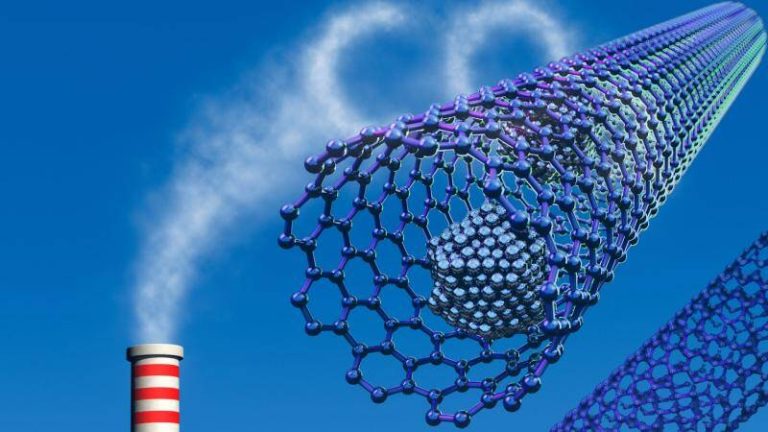
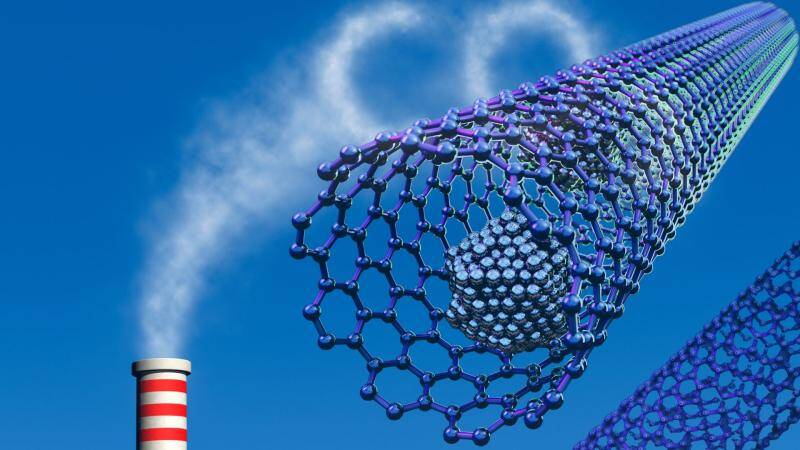
The world is grappling with the challenges of climate change, and one of the most significant contributors to this problem is the increasing levels of greenhouse gases in the atmosphere. Carbon dioxide, in particular, is a major culprit, and finding effective ways to capture and store it has become a pressing concern. Researchers have been exploring various methods to develop materials that can efficiently trap these gases, and a recent breakthrough has brought new hope to this field. A team of scientists has developed a safer and more efficient method for synthesizing metal-organic frameworks (MOFs), which are highly porous materials that can capture and store gases, including carbon dioxide and hydrogen.
The traditional method of synthesizing MOFs involves the use of hydrofluoric acid, a highly toxic and corrosive substance that poses significant risks to human health and the environment. The new method, on the other hand, replaces hydrofluoric acid with safer modulators, making the synthesis process much more environmentally friendly. This fluoride-free synthesis approach not only reduces the risks associated with handling toxic chemicals but also produces superior crystals that are more efficient at trapping greenhouse gases and storing hydrogen.
The simplified method developed by the researchers uses a combination of modulators to control the growth of MOF crystals, allowing for the creation of materials with tailored properties. This approach enables the production of MOFs with higher surface areas and more uniform pore sizes, which are essential for efficient gas capture and storage. The resulting materials have shown exceptional performance in capturing carbon dioxide and storing hydrogen at room temperature, making them ideal for a range of applications, including carbon scrubbers and atmospheric water harvesting systems.
The potential impact of this breakthrough cannot be overstated. The development of more efficient and safer MOFs could pave the way for the widespread adoption of carbon capture and storage technologies, which are critical for reducing greenhouse gas emissions and mitigating the effects of climate change. Additionally, the ability to store hydrogen more efficiently could enable the development of more effective fuel cells and other hydrogen-based technologies, which are essential for transitioning to a cleaner and more sustainable energy economy.
One of the most significant advantages of the new method is its potential to reduce the costs associated with MOF synthesis. The use of safer modulators and the simplified synthesis process could make it possible to produce MOFs on a larger scale, which would drive down costs and make these materials more accessible to industries and researchers. This, in turn, could accelerate the development of new technologies and applications that rely on MOFs, such as advanced water treatment systems and more efficient energy storage devices.
The researchers behind this breakthrough are hailing it as a major step forward in the quest for more sustainable and environmentally friendly technologies. By developing a safer and more efficient method for synthesizing MOFs, they have opened up new possibilities for the use of these materials in a range of applications, from carbon capture and storage to hydrogen fuel cells and beyond. As the world continues to grapple with the challenges of climate change, innovations like this one offer a beacon of hope for a cleaner, more sustainable future.
In conclusion, the development of a safer and more efficient method for synthesizing metal-organic frameworks is a significant breakthrough that could have far-reaching implications for the field of clean energy. By replacing toxic hydrofluoric acid with safer modulators, researchers have created a more environmentally friendly synthesis process that produces superior crystals with enhanced gas capture and storage properties. As the world continues to transition towards a more sustainable energy economy, innovations like this one will play a critical role in reducing greenhouse gas emissions and mitigating the effects of climate change.
News Source: https://researchmatters.in/news/greener-path-synthesising-metal-organic-frameworks-carbon-capture-and-storage
About the Author