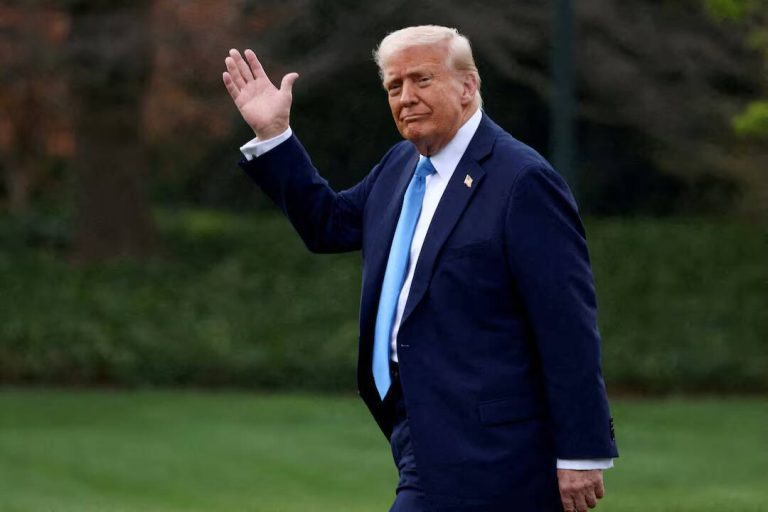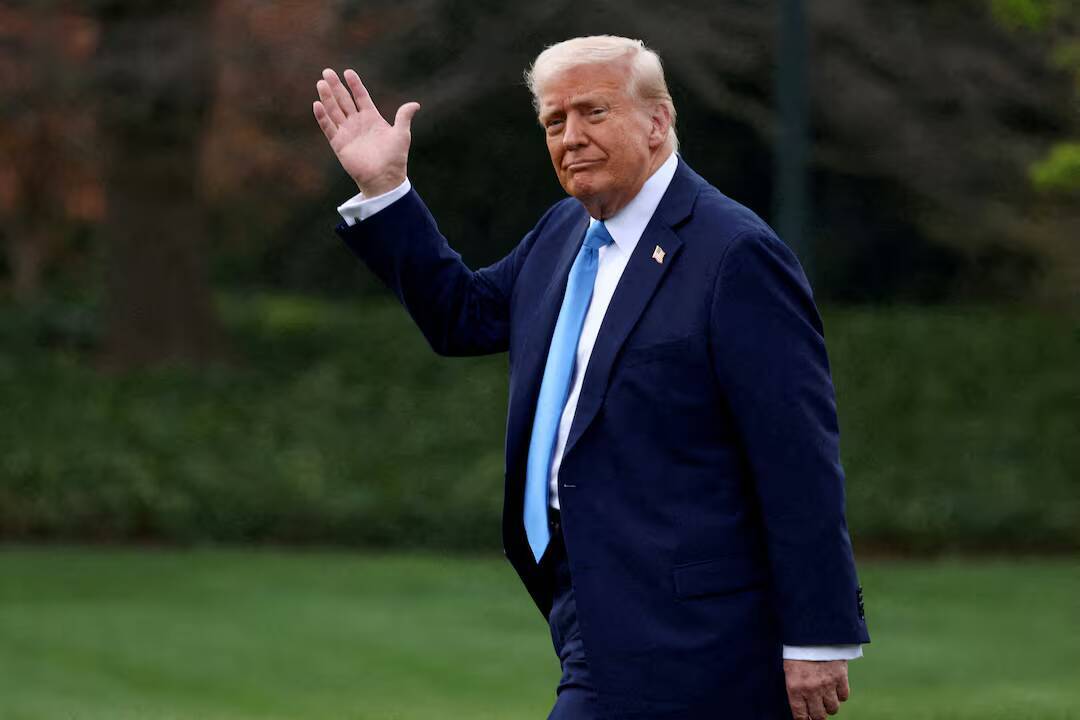
Trump to remain chairman of ‘Gaza Board of Peace’ even when he’s not US President
The Gaza Board of Peace, a newly established organization aimed at promoting peace and stability in the Gaza region, has been making headlines lately. The board, which was formed with the goal of bringing together international leaders to work towards a peaceful resolution to the conflicts in the region, has a unique structure that has raised several eyebrows. According to the charter of the Gaza Board of Peace, Donald Trump, the current President of the United States, will remain the chairman of the board even if he is no longer the President of the United States.
The charter states that the chairman of the board can only be removed if he voluntarily resigns or is voted “incapable” by the executive board. The executive board, however, is composed of appointees chosen by Trump himself, making it highly unlikely that he would be removed from his position as chairman. This has led to concerns about the independence and impartiality of the board, as well as the potential for Trump to use the position to further his own interests and agenda.
One of the most significant implications of Trump’s continued chairmanship is the potential for conflict of interest. As the President of the United States, Trump has a significant amount of influence and power, which could be used to shape the agenda and decisions of the Gaza Board of Peace. Even if he is no longer President, his continued role as chairman could allow him to exert significant influence over the board, potentially undermining its independence and credibility.
Another concern is the lack of transparency and accountability in the board’s structure. The fact that the executive board is composed of appointees chosen by Trump raises questions about the potential for cronyism and favoritism. Without a clear and transparent process for selecting members of the executive board, it is difficult to ensure that the board is truly representative of the international community and that its decisions are in the best interests of the people of Gaza.
Despite these concerns, Trump has been actively promoting the Gaza Board of Peace, inviting international leaders to join the board and participate in its efforts. One of the leaders he has invited is Prime Minister Narendra Modi of India, who has been a key ally of Trump’s in recent years. The invitation has sparked a range of reactions in India, with some hailing it as an opportunity for India to play a greater role in international peace efforts, while others have expressed skepticism about the board’s credibility and effectiveness.
The invitation to Modi has also raised questions about India’s role in the Gaza Board of Peace and the potential implications for India’s foreign policy. India has long been a supporter of the Palestinian cause, and its participation in the Gaza Board of Peace could be seen as a way of strengthening its ties with the Palestinian people. However, it could also be seen as a way of undermining India’s relationships with other countries in the region, particularly Israel, which has been a key ally of India’s in recent years.
In addition to the geopolitical implications, the Gaza Board of Peace also raises questions about the role of international organizations in promoting peace and stability. The board’s structure and membership have been criticized for being overly reliant on the United States and its allies, which could limit its ability to effectively address the complex and deeply rooted conflicts in the Gaza region. Furthermore, the board’s focus on promoting economic development and investment in the region could be seen as a way of avoiding the more difficult and contentious issues, such as the Israeli-Palestinian conflict and the ongoing occupation of the Gaza Strip.
In conclusion, the Gaza Board of Peace is a complex and multifaceted organization that raises a range of questions and concerns. While its goal of promoting peace and stability in the Gaza region is admirable, its structure and membership have been criticized for being overly reliant on the United States and its allies. The fact that Donald Trump will remain the chairman of the board even if he is no longer President of the United States has sparked concerns about conflict of interest and the potential for the board to be used as a tool for furthering Trump’s own interests and agenda.
As the Gaza Board of Peace moves forward, it will be important to carefully consider these concerns and to ensure that the board is truly independent and impartial. This will require a transparent and accountable process for selecting members of the executive board, as well as a clear and consistent commitment to promoting the interests of the people of Gaza. Ultimately, the success of the Gaza Board of Peace will depend on its ability to bring together international leaders and promote a peaceful and sustainable resolution to the conflicts in the region.
About the Author