Dense Smog Pushes Visibility to Zero in Delhi, Air Quality Also Deteriorates to Severe
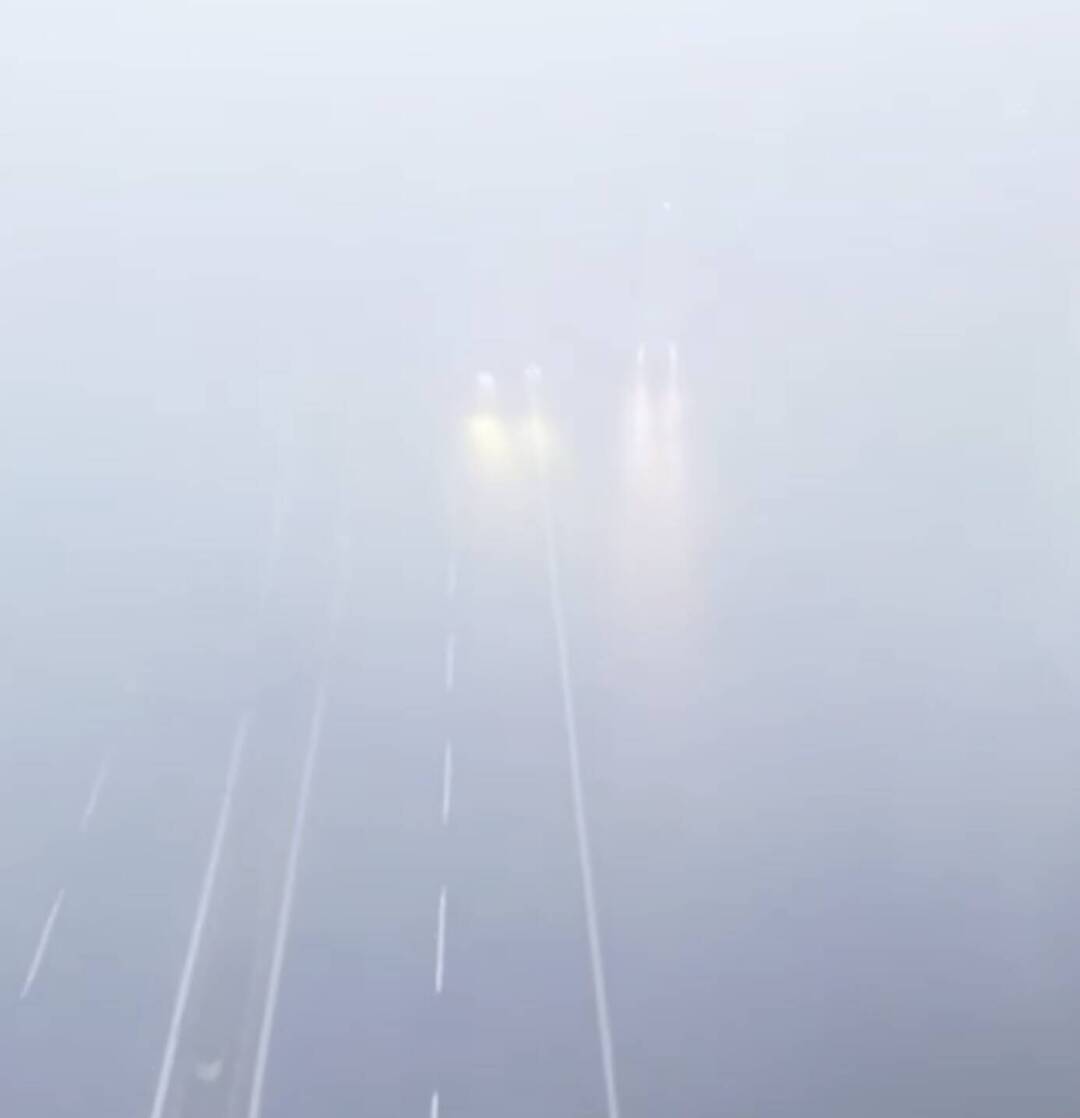
The national capital, Delhi, woke up to a thick layer of smog on Sunday morning, reducing visibility to almost zero. The dense fog engulfed not only Delhi but also its neighboring areas, causing disruptions in train and flight services. According to the India Meteorological Department (IMD), the visibility was recorded at zero at the Safdarjung station in Delhi, making it extremely difficult for people to commute.
The situation was further exacerbated by the deteriorating air quality, which slipped into the severe category. The Anand Vihar station recorded an Air Quality Index (AQI) of 491 at 8 am, indicating extremely poor air quality. The AQI is a measure of the level of air pollution, and a reading above 400 is considered severe. The poor air quality is a major concern for the residents of Delhi, as it can cause serious health problems, especially for people with pre-existing respiratory conditions.
The dense smog and poor air quality have been attributed to a combination of factors, including the burning of crop residue in neighboring states, vehicular emissions, and industrial pollution. The situation is further worsened by the low temperature and high humidity, which trap the pollutants in the air and prevent them from dissipating.
The restrictions under the Graded Response Action Plan (GRAP-IV) have been reimposed in Delhi, in an effort to mitigate the effects of the poor air quality. The GRAP is a set of measures that are implemented to reduce air pollution, and it includes restrictions on the use of diesel generators, the burning of trash, and the entry of trucks into the city.
The disruption in train and flight services has caused inconvenience to many people, who are struggling to reach their destinations. The railways have announced the cancellation of several trains, and the flights have been delayed due to the poor visibility. The situation is expected to improve over the next few days, but for now, the residents of Delhi are advised to stay indoors and avoid traveling unless absolutely necessary.
The poor air quality and dense smog have become a regular feature of Delhi’s winters, and it is a major concern for the government and the residents of the city. The government has been taking various measures to reduce air pollution, including the implementation of the odd-even scheme, the restriction on the use of diesel vehicles, and the promotion of the use of public transport.
However, despite these efforts, the air quality in Delhi continues to deteriorate, and it is a major challenge for the government to find a solution to this problem. The residents of Delhi are advised to take precautions to protect themselves from the poor air quality, including wearing masks, avoiding outdoor activities, and using air purifiers.
The situation in Delhi is a wake-up call for the government and the residents of the city to take immediate action to reduce air pollution. The government needs to implement more effective measures to reduce pollution, including the promotion of the use of clean energy, the reduction of vehicular emissions, and the implementation of stricter regulations on industrial pollution.
In conclusion, the dense smog and poor air quality in Delhi are a major concern for the residents of the city, and it is a challenge for the government to find a solution to this problem. The restrictions under GRAP-IV have been reimposed, and the residents are advised to stay indoors and avoid traveling unless absolutely necessary. The government needs to take immediate action to reduce air pollution, and the residents of Delhi need to take precautions to protect themselves from the poor air quality.
News Source: https://x.com/ANI/status/2012709713537053081
About the Author