Dense smog pushes visibility to zero in Delhi, air quality also deteriorates to severe
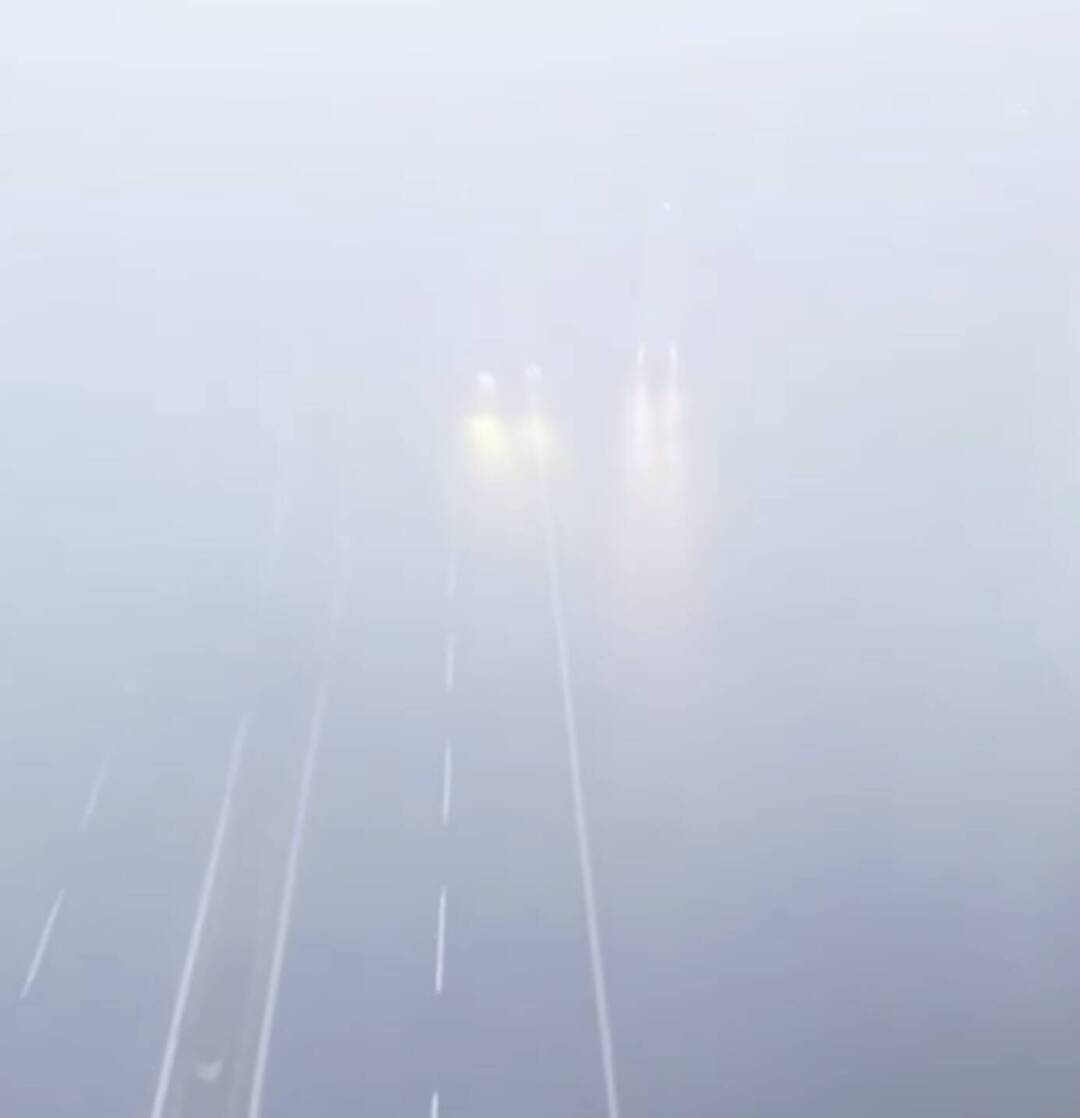
The national capital, Delhi, woke up to a thick layer of smog on Sunday morning, reducing visibility to almost zero. The dense fog not only affected the daily commute of residents but also disrupted train and flight services. According to the India Meteorological Department (IMD), the visibility was recorded at zero at the Safdarjung station in Delhi, making it difficult for people to navigate through the city.
The smog, which is a mixture of smoke and fog, is a common phenomenon in Delhi during the winter months. However, the severity of the situation this time has raised concerns among the residents and the authorities. The air quality in the city has also deteriorated to the severe category, with the Anand Vihar station recording an Air Quality Index (AQI) of 491 at 8 am. The AQI is a measure of the level of air pollution in a given area, and a reading above 400 is considered severe.
The poor air quality and low visibility have forced the authorities to reimpose restrictions under the Graded Response Action Plan (GRAP-IV). The plan, which was implemented in 2017, aims to reduce air pollution in the National Capital Region (NCR) by imposing certain restrictions and measures. The restrictions include a ban on construction activities, Closure of schools and colleges, and a restriction on the movement of trucks and other heavy vehicles.
The smog has not only affected the residents of Delhi but also the neighboring areas. The visibility in the nearby cities, such as Noida and Gurgaon, was also reduced, causing disruptions in the daily commute of people. The situation has been exacerbated by the stubble burning in the nearby states of Punjab and Haryana, which has been a major contributor to the air pollution in the region.
The authorities have advised people to stay indoors and avoid any outdoor activities, especially those who have respiratory problems. The Delhi government has also launched a campaign to create awareness about the importance of reducing air pollution and the steps that can be taken to mitigate its effects.
The situation in Delhi is not new, and the city has been struggling with air pollution for several years. However, the severity of the situation this time has raised concerns among the residents and the authorities. The government has been taking steps to reduce air pollution, including the implementation of the odd-even scheme, which restricts the movement of private vehicles on alternate days.
However, more needs to be done to address the issue of air pollution in Delhi. The city needs a long-term plan to reduce air pollution, which includes measures such as increasing the use of public transport, promoting the use of electric vehicles, and reducing the dependence on fossil fuels. The government also needs to take steps to address the issue of stubble burning in the nearby states, which is a major contributor to the air pollution in the region.
In conclusion, the dense smog that has engulfed Delhi and the neighboring areas is a serious concern that needs to be addressed immediately. The poor air quality and low visibility have disrupted the daily lives of people, and the situation has been exacerbated by the stubble burning in the nearby states. The authorities need to take urgent measures to reduce air pollution, including the implementation of the Graded Response Action Plan and the creation of awareness about the importance of reducing air pollution.
The residents of Delhi and the neighboring areas can also play a role in reducing air pollution by taking certain steps, such as using public transport, carpooling, and reducing the use of private vehicles. They can also contribute to the creation of awareness about the importance of reducing air pollution and the steps that can be taken to mitigate its effects.
As the situation continues to worsen, it is essential that the authorities and the residents of Delhi and the neighboring areas work together to address the issue of air pollution. The city needs a long-term plan to reduce air pollution, which includes measures such as increasing the use of public transport, promoting the use of electric vehicles, and reducing the dependence on fossil fuels.
In the meantime, the residents of Delhi and the neighboring areas need to take precautions to protect themselves from the harmful effects of air pollution. They can wear masks, avoid outdoor activities, and stay indoors to minimize their exposure to polluted air.
The situation in Delhi is a wake-up call for the authorities and the residents to take immediate action to address the issue of air pollution. The city needs a comprehensive plan to reduce air pollution, which includes measures such as increasing the use of public transport, promoting the use of electric vehicles, and reducing the dependence on fossil fuels.
As the city struggles to breathe, it is essential that the authorities and the residents work together to find a solution to the problem of air pollution. The situation is critical, and immediate action is needed to reduce air pollution and protect the health of the residents of Delhi and the neighboring areas.
News Source: https://x.com/ANI/status/2012709713537053081
About the Author