Dense Smog Pushes Visibility to Zero in Delhi, Air Quality Also Deteriorates to Severe
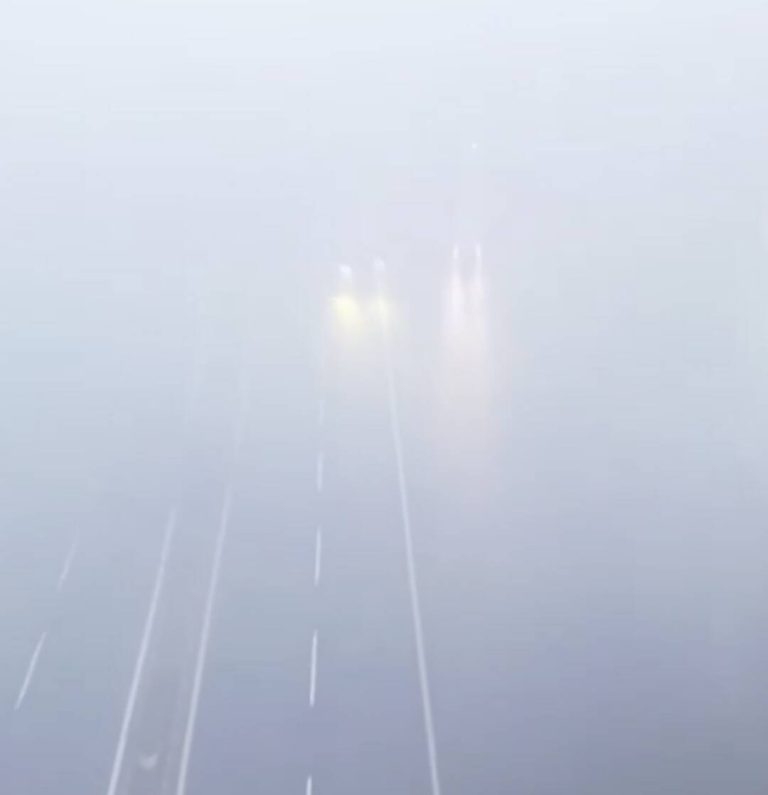
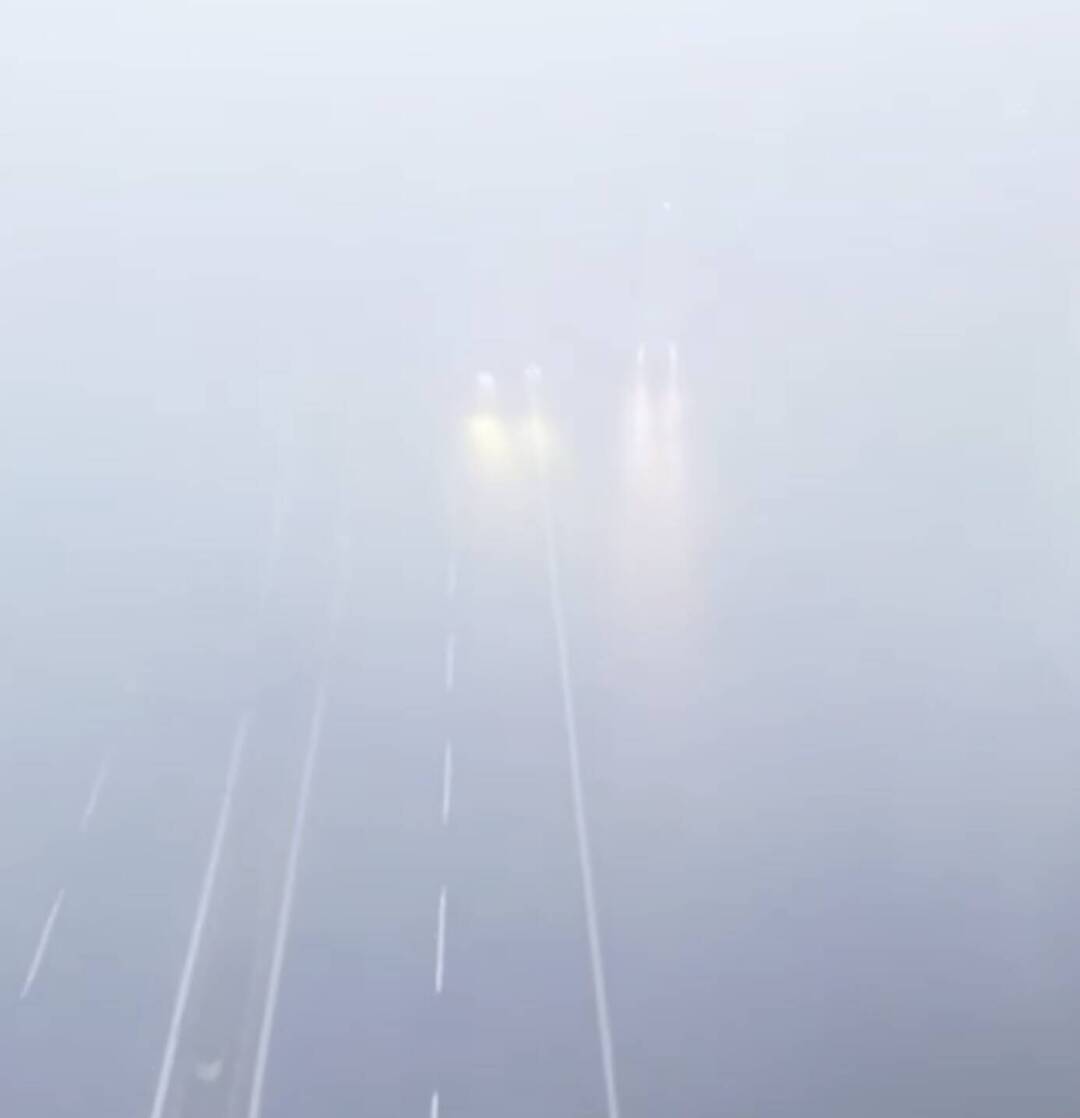
The national capital, Delhi, woke up to a thick layer of smog on Sunday morning, reducing visibility to zero in some areas. The dense fog engulfed not only Delhi but also its neighboring areas, causing disruptions in train and flight services. According to the India Meteorological Department (IMD), the visibility was recorded at zero at the Safdarjung station in Delhi, making it difficult for people to venture out.
The situation was exacerbated by the deteriorating air quality, which slipped into the severe category. The Anand Vihar station in Delhi recorded an Air Quality Index (AQI) of 491 at 8 am, indicating a severe level of pollution. The AQI is a measure of the level of air pollution in a given area, and a reading above 400 is considered severe. The poor air quality is a major concern for the residents of Delhi, as it can cause respiratory problems and other health issues.
The dense smog and poor air quality have prompted the authorities to reimpose restrictions under the Graded Response Action Plan (GRAP-IV). The plan is a set of measures implemented by the government to mitigate the effects of air pollution in the National Capital Region (NCR). The restrictions include a ban on construction activities, closure of schools and colleges, and a restriction on the movement of trucks and other heavy vehicles.
The situation in Delhi is a stark reminder of the city’s struggle with air pollution. The city’s air quality has been a major concern for several years, with the pollution levels often reaching hazardous levels during the winter months. The main reasons for the poor air quality in Delhi are the rapid industrialization, urbanization, and the increasing number of vehicles on the road.
The dense smog that engulfed Delhi on Sunday morning was caused by a combination of factors, including the low temperature, high humidity, and the presence of pollutants in the air. The smog was so thick that it reduced visibility to zero in some areas, making it difficult for people to navigate. The situation was particularly bad in the areas near the airports and railway stations, where the smog caused disruptions in flight and train services.
The authorities have advised people to stay indoors and avoid venturing out unless necessary. They have also advised people to wear masks and take other precautions to protect themselves from the poor air quality. The government has also set up a number of air quality monitoring stations across the city to keep track of the pollution levels and take necessary measures to mitigate the effects of air pollution.
The residents of Delhi are no strangers to the poor air quality, but the situation on Sunday was particularly bad. Many people took to social media to express their concern and frustration about the situation. Some people complained about the disruptions in flight and train services, while others expressed concern about the health effects of the poor air quality.
The government has come under criticism for its handling of the air pollution crisis in Delhi. Many people feel that the government has not done enough to address the issue, and that the measures implemented so far have been inadequate. The opposition parties have also criticized the government for its lack of action, and have demanded that more be done to address the crisis.
In conclusion, the dense smog that engulfed Delhi on Sunday morning was a stark reminder of the city’s struggle with air pollution. The poor air quality and low visibility caused disruptions in flight and train services, and prompted the authorities to reimpose restrictions under GRAP-IV. The situation is a major concern for the residents of Delhi, and the government needs to take more effective measures to address the crisis. The residents of Delhi deserve to breathe clean air, and it is the responsibility of the government to ensure that they can do so.
News Source: https://x.com/ANI/status/2012709713537053081
About the Author