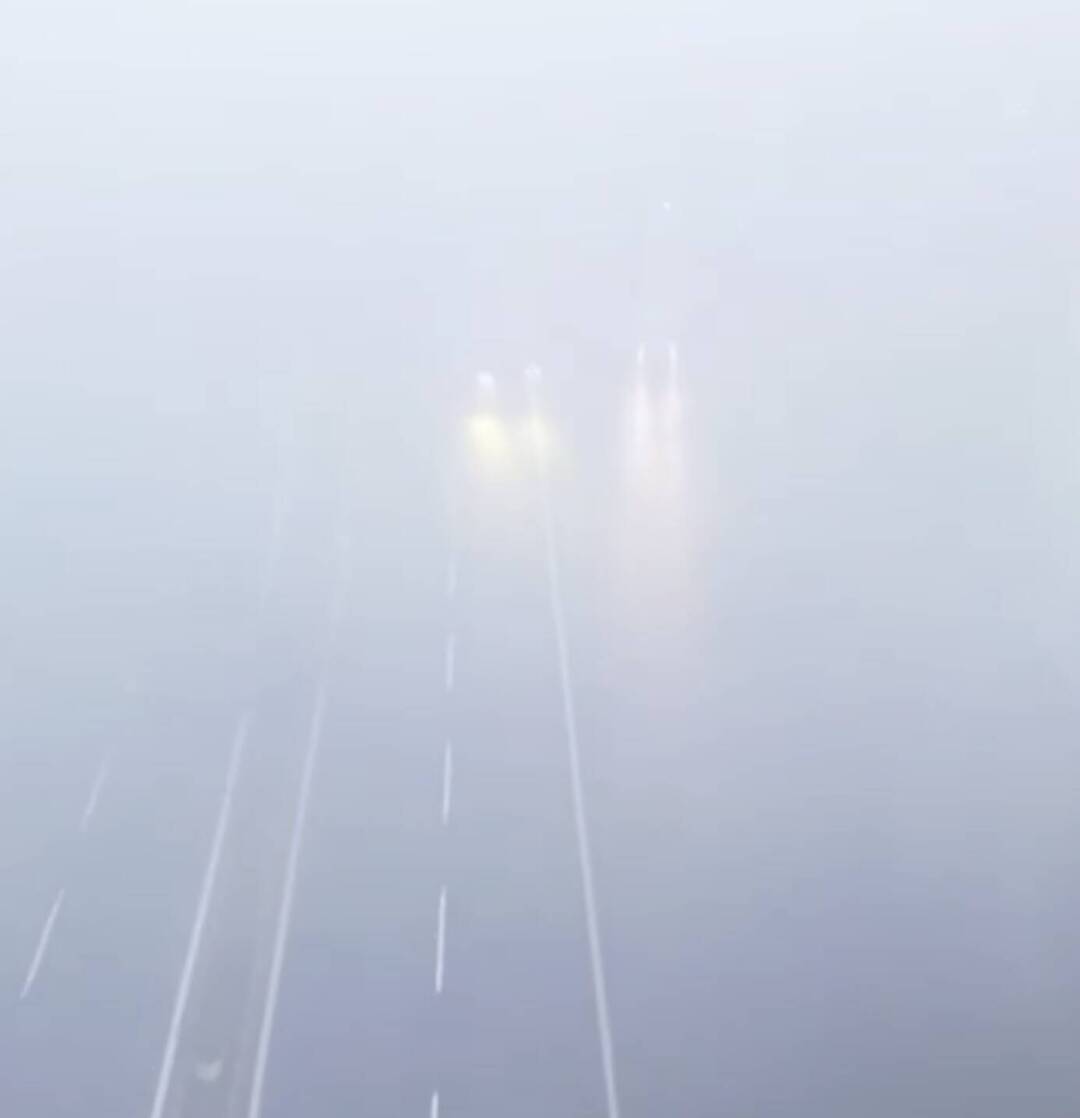
Dense Smog Pushes Visibility to Zero in Delhi, Air Quality Also Deteriorates to Severe
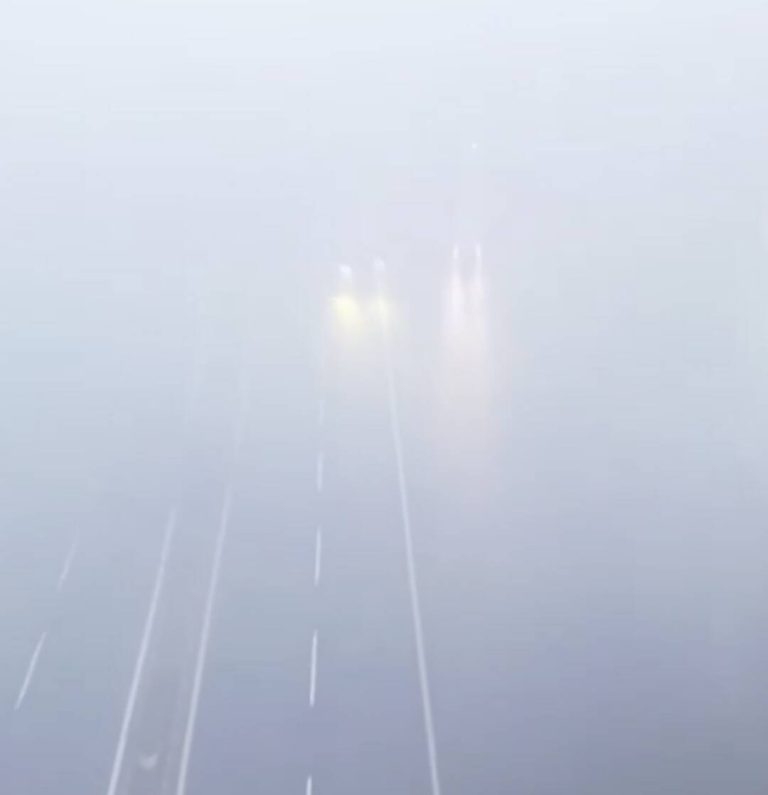
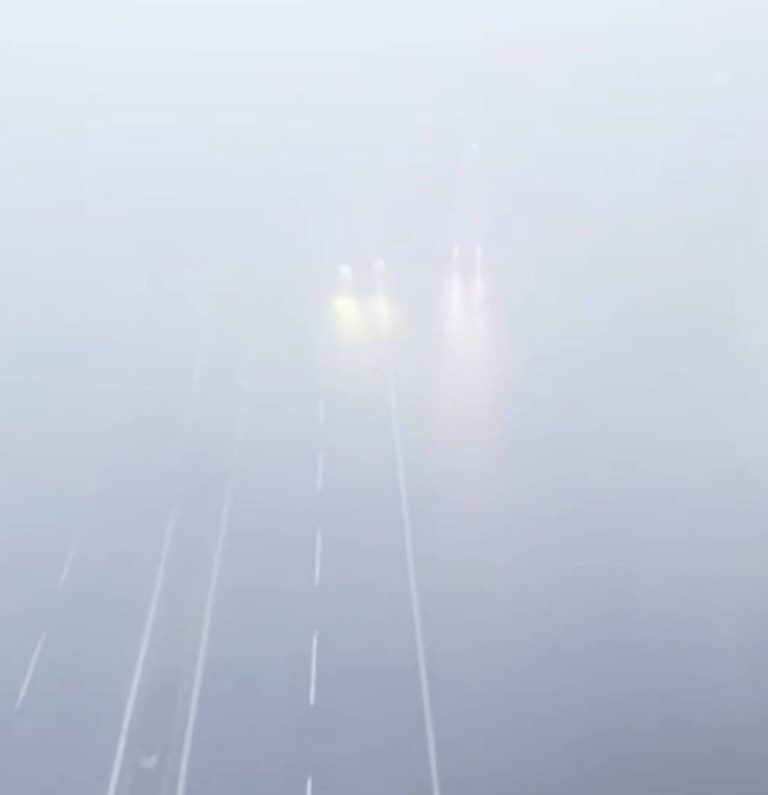
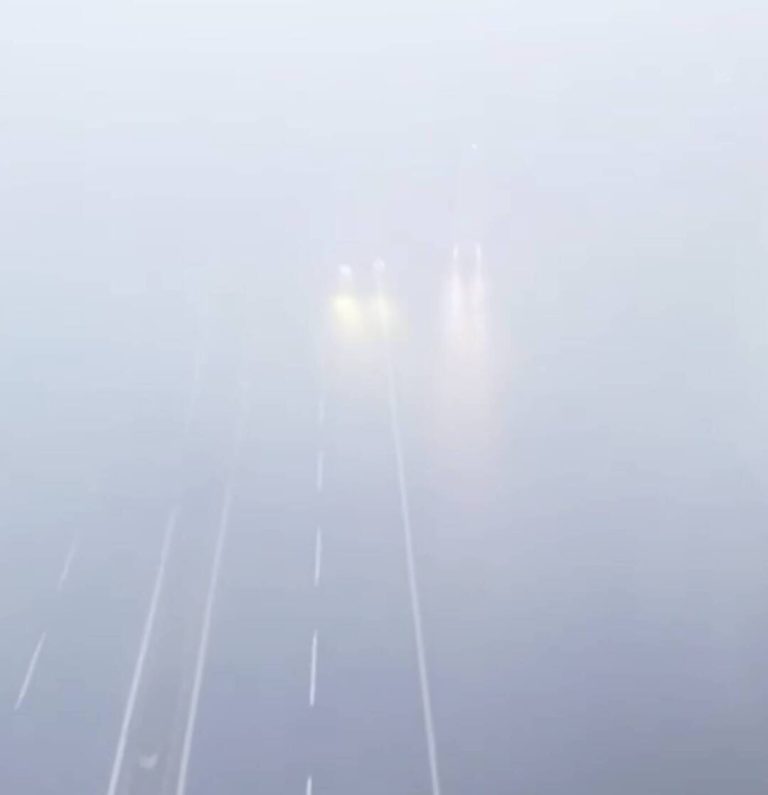
Delhi, the capital city of India, woke up to a thick layer of smog on Sunday morning, reducing visibility to zero in some areas. The dense fog not only affected the daily commute of residents but also disrupted train and flight services. According to the India Meteorological Department (IMD), the visibility was recorded at zero at Safdarjung station in Delhi, making it difficult for people to navigate through the city.
The smog, which is a mixture of smoke and fog, is a common phenomenon in Delhi during the winter months. However, this year it has been particularly severe, with the city experiencing some of the worst air quality in recent years. The Air Quality Index (AQI) in Delhi has been fluctuating between the “very poor” and “severe” categories for the past few weeks, with some areas recording AQI levels as high as 500.
On Sunday, the AQI at Anand Vihar station in Delhi was recorded at 491 at 8 am, which falls in the “severe” category. The AQI is calculated based on the levels of pollutants such as particulate matter (PM), nitrogen dioxide (NO2), ozone (O3), and carbon monoxide (CO) in the air. An AQI level above 400 is considered “severe” and can cause respiratory problems, especially for people with pre-existing medical conditions.
The poor air quality in Delhi is a result of a combination of factors, including the burning of crop stubble in neighboring states, vehicular emissions, and industrial pollution. The city’s geography, with the Himalayas to the north and the plains to the south, also contributes to the trapping of pollutants in the air.
The dense smog and poor air quality have forced the authorities to reimpose restrictions under the Graded Response Action Plan (GRAP-IV). The plan, which was implemented in 2017, is a set of measures to mitigate the effects of air pollution in Delhi. The restrictions include a ban on construction activities, closure of schools and colleges, and a restriction on the movement of trucks and other heavy vehicles in the city.
The disruption caused by the smog has also affected the city’s transportation system. Several trains were delayed or cancelled due to poor visibility, while flight services were also disrupted. The Indira Gandhi International Airport in Delhi reported several flight delays and cancellations due to the poor visibility.
The situation is not just limited to Delhi, as neighboring cities such as Noida, Ghaziabad, and Faridabad are also experiencing poor air quality. The governments of these cities have also imposed restrictions to mitigate the effects of air pollution.
The residents of Delhi are advised to take precautions to protect themselves from the poor air quality. This includes wearing masks, avoiding outdoor activities, and keeping windows and doors closed to prevent the entry of pollutants. The authorities have also set up air quality monitoring stations across the city to provide real-time data on the air quality.
In conclusion, the dense smog and poor air quality in Delhi are a major concern for the residents of the city. The authorities must take immediate action to mitigate the effects of air pollution and implement long-term solutions to address the issue. This includes increasing the use of clean energy, promoting the use of electric vehicles, and implementing stricter regulations on industrial pollution.
The residents of Delhi must also do their part in reducing air pollution. This includes using public transport, carpooling, and avoiding the use of private vehicles. By working together, we can reduce the levels of air pollution in Delhi and create a healthier and more sustainable environment for everyone.
Source: https://x.com/ANI/status/2012709713537053081
About the Author