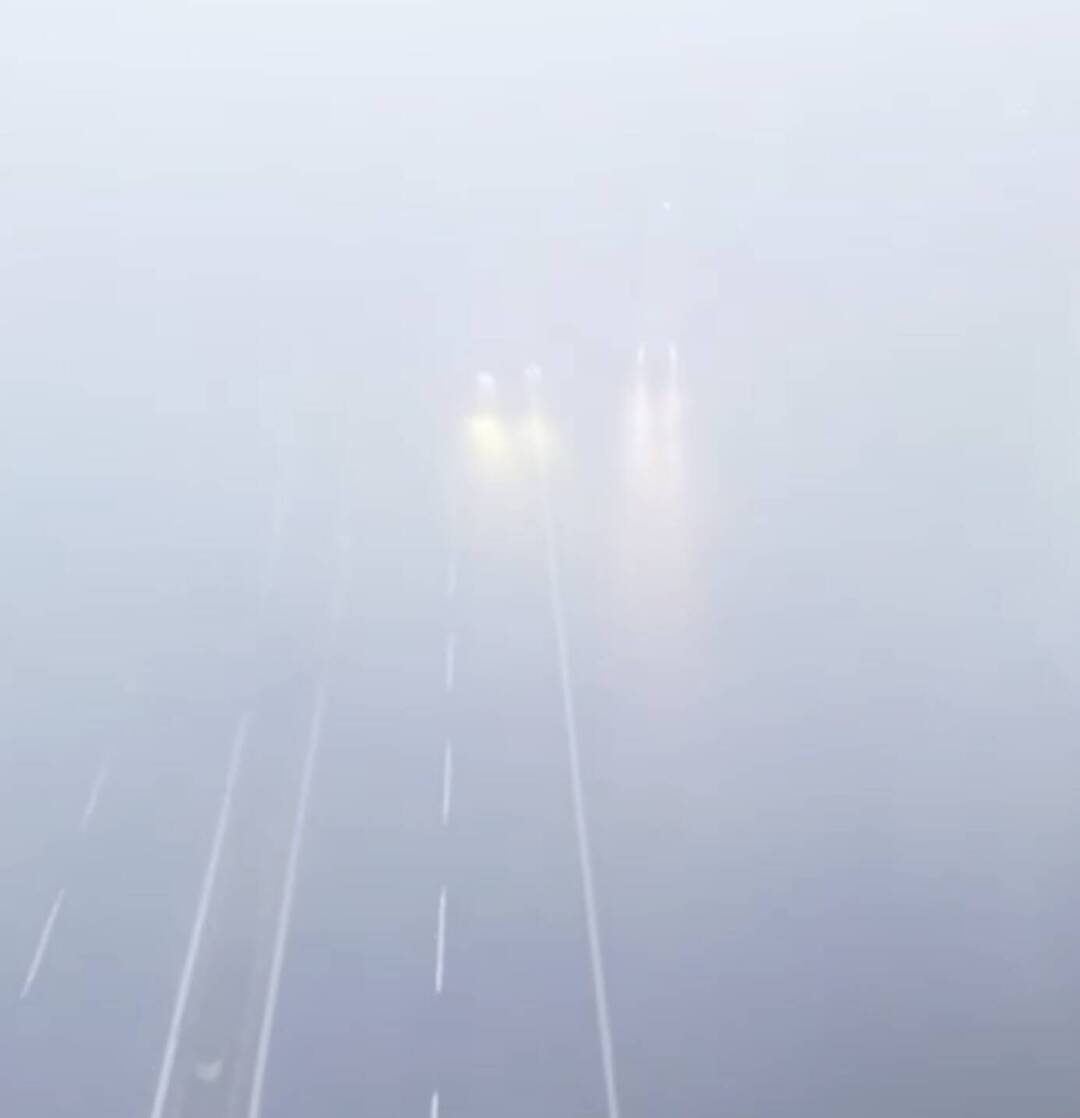
Dense Smog Pushes Visibility to Zero in Delhi, Air Quality Also Deteriorates to Severe
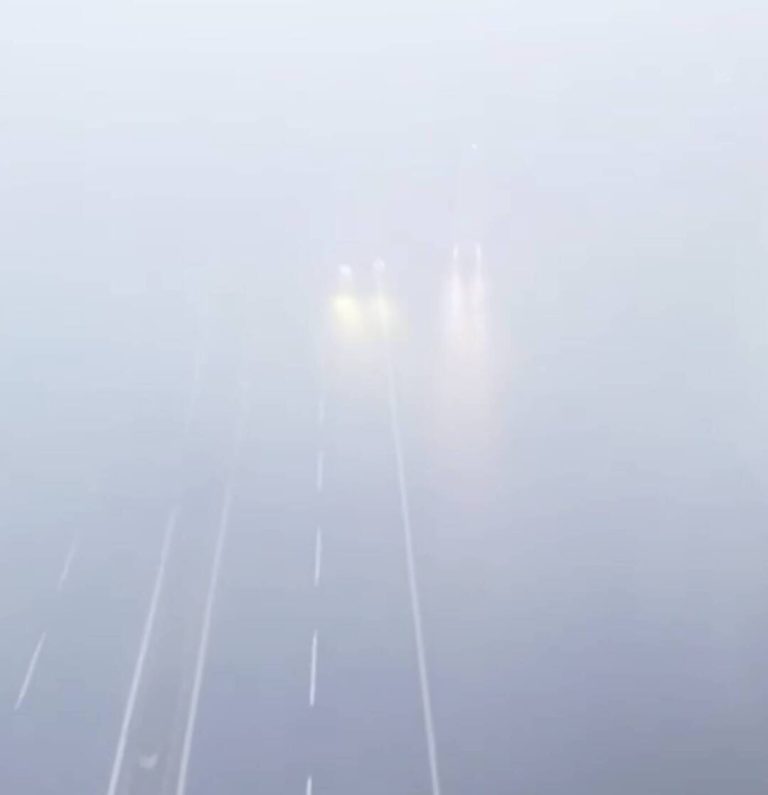
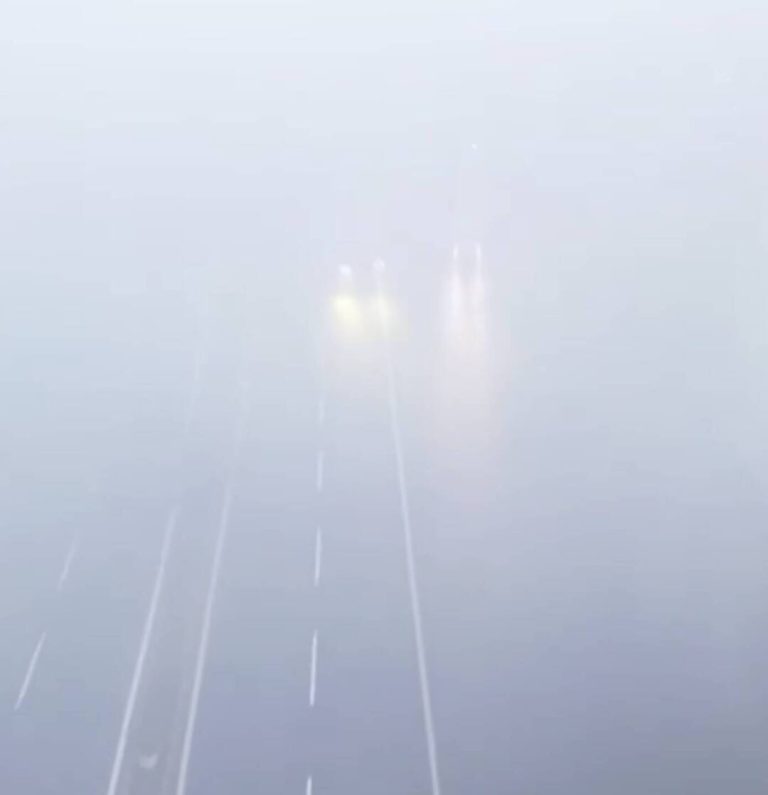
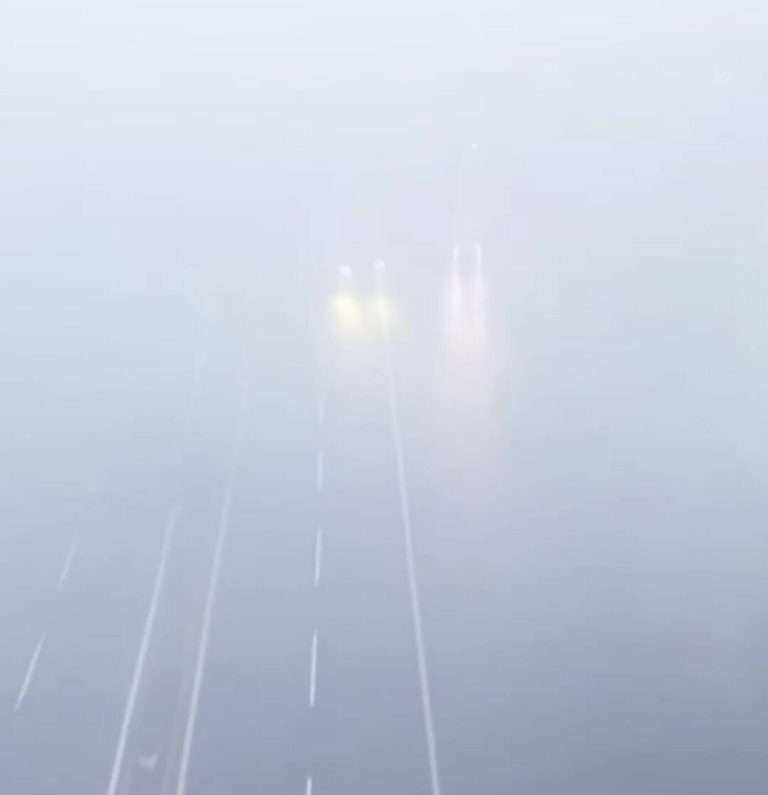
The national capital, Delhi, woke up to a thick layer of smog on Sunday morning, reducing visibility to almost zero. The dense fog engulfed not only Delhi but also its neighboring areas, causing disruptions in train and flight services. According to the India Meteorological Department (IMD), the visibility was recorded at zero at the Safdarjung station in Delhi, making it difficult for people to commute.
The smog, which is a mixture of smoke and fog, is a common phenomenon in Delhi during the winter months. However, this year it seems to have arrived earlier than expected, catching many residents off guard. The situation is exacerbated by the fact that the air quality in Delhi has also deteriorated to the severe category. The Anand Vihar station in Delhi recorded an Air Quality Index (AQI) of 491 at 8 am, which is considered hazardous for human health.
The AQI is a measure of the level of air pollution in a given area. It takes into account the levels of five major air pollutants, including particulate matter (PM2.5 and PM10), nitrogen dioxide (NO2), ozone (O3), carbon monoxide (CO), and sulfur dioxide (SO2). The AQI is categorized into six levels, ranging from good to hazardous. An AQI of 0-50 is considered good, while an AQI of 401-500 is considered severe.
The severe air quality in Delhi has prompted the authorities to reimpose restrictions under the Graded Response Action Plan (GRAP-IV). The GRAP is a set of measures that are implemented to mitigate the effects of air pollution in the National Capital Region (NCR). The plan is divided into four stages, each of which corresponds to a different level of air pollution. The restrictions under GRAP-IV include a ban on construction activities, closure of schools and colleges, and restrictions on the movement of trucks and other heavy vehicles.
The dense smog and severe air quality in Delhi have caused significant disruptions in the city. Many flights have been delayed or canceled, while train services have also been affected. The poor visibility has made it difficult for drivers to navigate the roads, leading to a significant increase in travel time. The situation is not only inconvenient but also poses a significant risk to human health.
Prolonged exposure to poor air quality can cause a range of health problems, including respiratory diseases, cardiovascular disease, and even cancer. The elderly, children, and people with pre-existing medical conditions are particularly vulnerable to the effects of air pollution. The situation is exacerbated by the fact that many people in Delhi do not have access to air purifiers or other measures that can help mitigate the effects of air pollution.
The Delhi government has been criticized for its handling of the air pollution crisis. Despite the implementation of various measures, including the odd-even scheme and the ban on firecrackers, the air quality in Delhi remains a significant concern. The government has been accused of not doing enough to address the root causes of air pollution, including the burning of crop stubble in neighboring states and the lack of effective waste management systems.
In recent years, the air pollution crisis in Delhi has become a major political issue. The Delhi government has been locked in a battle with the central government over the issue, with each side blaming the other for the poor air quality. The situation has also sparked a debate about the need for more effective measures to address air pollution, including the implementation of a congestion tax and the promotion of electric vehicles.
As the situation in Delhi continues to deteriorate, it is clear that more needs to be done to address the air pollution crisis. The government needs to take a more proactive approach to addressing the root causes of air pollution, including the burning of crop stubble and the lack of effective waste management systems. The public also needs to play a more active role in reducing their contribution to air pollution, including by using public transport, carpooling, and reducing their use of fossil fuels.
In conclusion, the dense smog and severe air quality in Delhi are a significant concern that requires immediate attention. The government needs to take a more proactive approach to addressing the root causes of air pollution, while the public needs to play a more active role in reducing their contribution to air pollution. Only through a collective effort can we hope to mitigate the effects of air pollution and improve the quality of life for residents of Delhi.
Source: https://x.com/ANI/status/2012709713537053081
About the Author