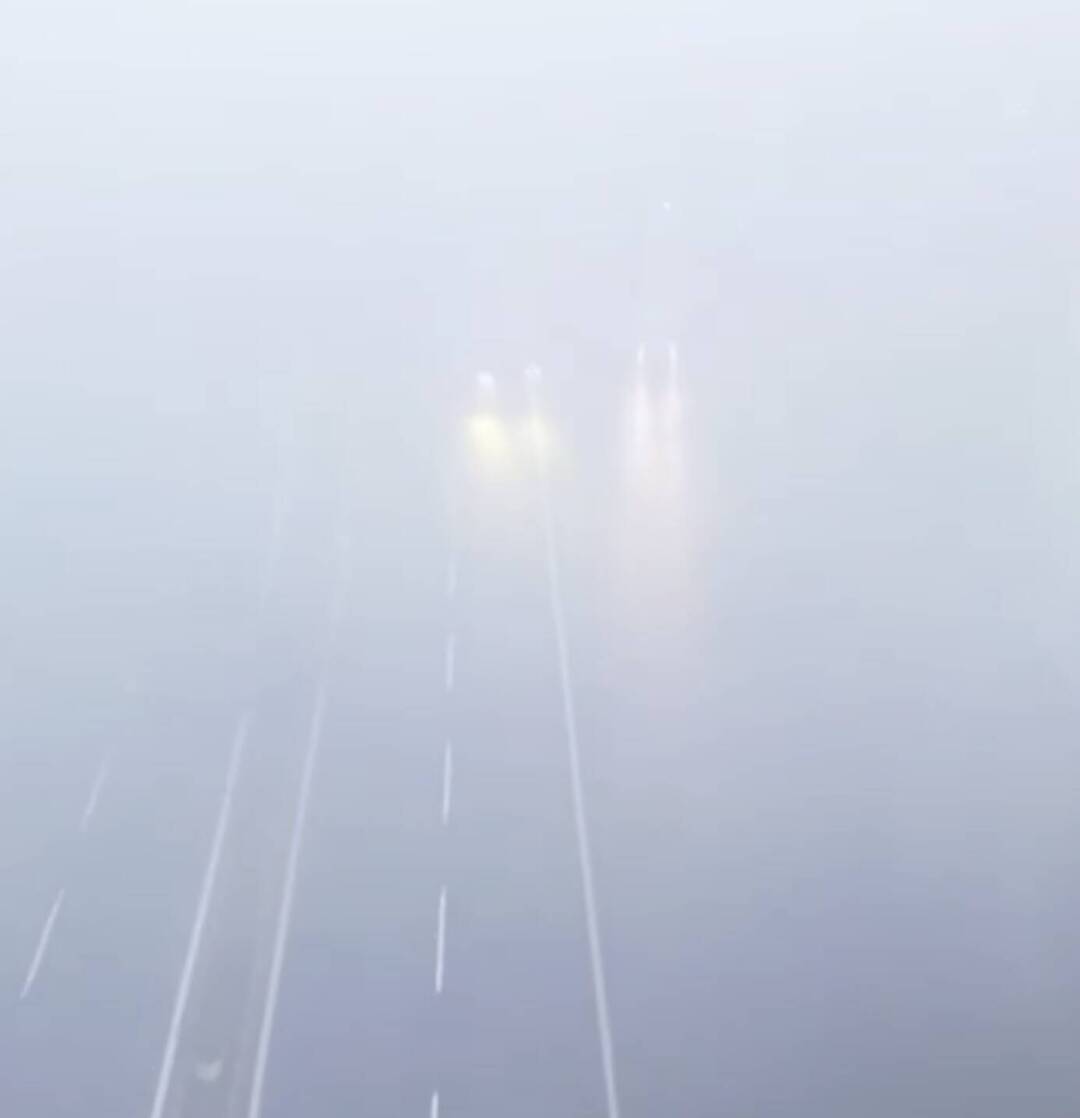
Dense smog pushes visibility to zero in Delhi, air quality also deteriorates to severe
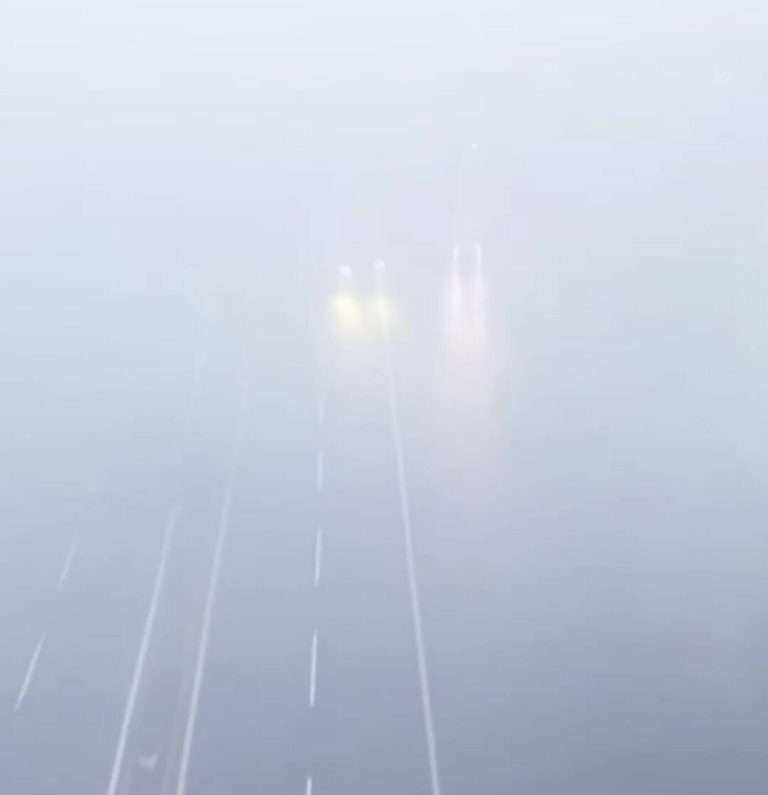
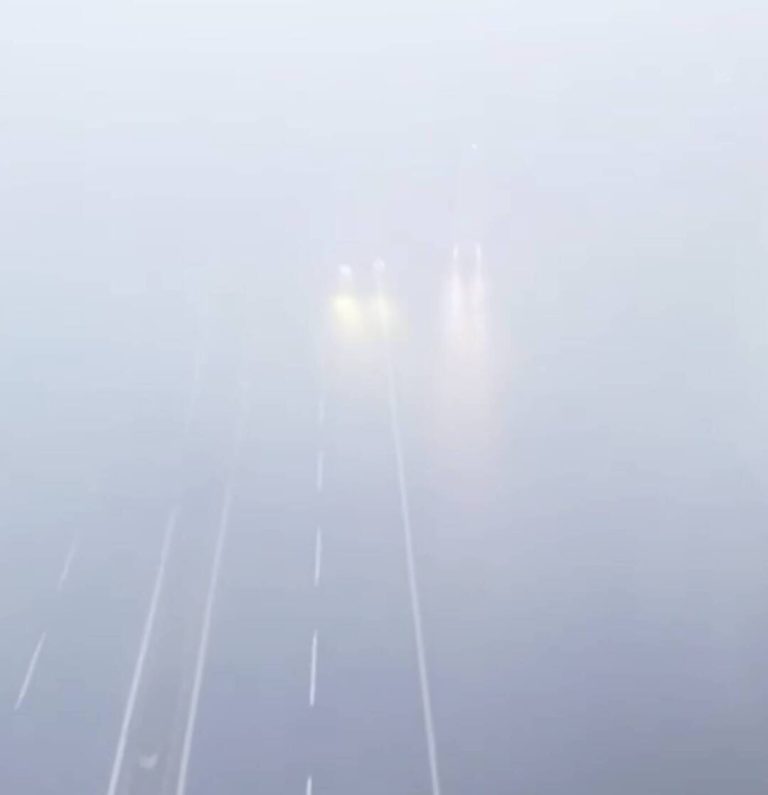
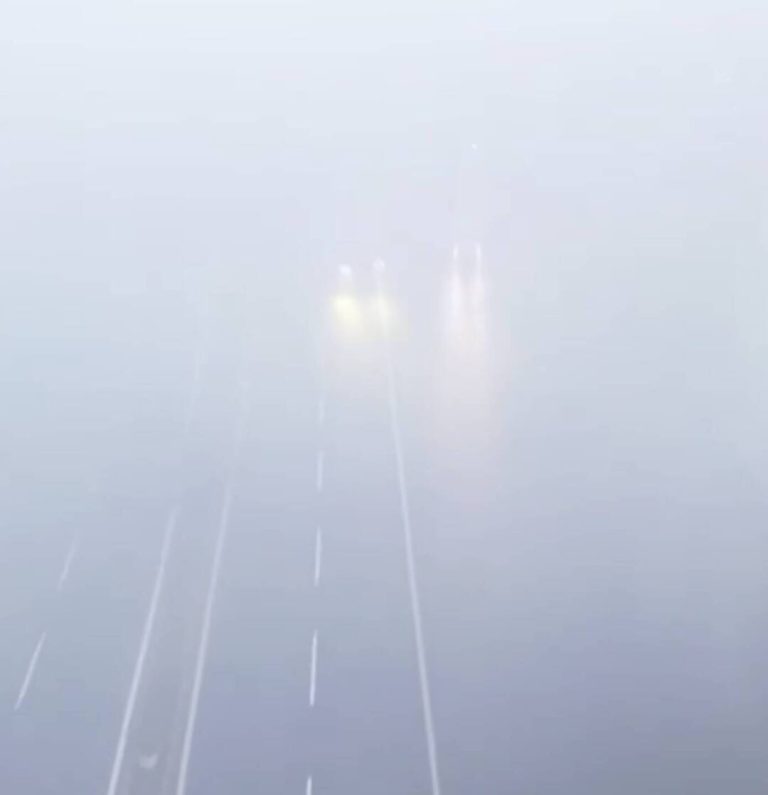
The national capital, Delhi, woke up to a thick layer of smog on Sunday morning, with visibility recorded at zero at Safdarjung station in Delhi. The dense fog, which engulfed Delhi and neighboring areas, not only affected the daily commute of residents but also disrupted train and flight services. The situation was further exacerbated by the deteriorating air quality, which plunged to the severe category, prompting the authorities to reimpose restrictions under GRAP-IV.
As the sun rose over the horizon, the city was shrouded in a thick blanket of fog, reducing visibility to almost zero. The Indian Meteorological Department (IMD) recorded a visibility of zero at Safdarjung station in Delhi, while other areas in the city also reported poor visibility. The fog was so dense that it forced the railways to delay several trains, and flight operations were also affected at the Indira Gandhi International Airport.
The poor visibility and foggy conditions were not the only concerns for the residents of Delhi. The air quality in the city also took a turn for the worse, with the Air Quality Index (AQI) plummeting to the severe category. According to the data from the Central Pollution Control Board (CPCB), the AQI at Anand Vihar station in Delhi was recorded at 491 at 8 am, which falls under the severe category. The severe air quality is a major concern, as it can cause respiratory problems and other health issues, especially for vulnerable populations such as children, the elderly, and those with pre-existing medical conditions.
The deterioration in air quality and the dense fog have prompted the authorities to reimpose restrictions under the Graded Response Action Plan (GRAP-IV). The plan, which was implemented to combat air pollution in the National Capital Region (NCR), includes measures such as banning the entry of trucks into the city, except for those carrying essential goods, and imposing restrictions on construction activities. The authorities have also advised residents to avoid outdoor activities, especially during peak pollution hours, and to wear masks when venturing out.
The situation in Delhi is a stark reminder of the need to address the issue of air pollution in the city. The national capital has been struggling with poor air quality for several years, and the problem seems to be getting worse with each passing year. The causes of air pollution in Delhi are multifaceted, ranging from vehicular emissions to industrial pollution, and from crop burning to construction activities. To tackle the problem, a comprehensive approach is needed, which involves not just the government but also the residents and other stakeholders.
In recent years, the government has taken several steps to address the issue of air pollution in Delhi. These include the implementation of the odd-even scheme, which restricts the movement of vehicles based on their registration numbers, and the introduction of the BS-VI emission norms, which aim to reduce vehicular emissions. However, despite these efforts, the air quality in the city remains a major concern, and more needs to be done to address the issue.
The residents of Delhi can also play a crucial role in reducing air pollution in the city. By adopting simple measures such as using public transport, carpooling, or cycling, individuals can significantly reduce their carbon footprint. Additionally, residents can also contribute to the cause by avoiding the use of polluting fuels, such as coal and wood, and by reducing waste generation.
In conclusion, the dense smog and severe air quality in Delhi are a major concern, and immediate action is needed to address the issue. The authorities must take a comprehensive approach to tackle the problem, which involves not just implementing restrictions but also taking long-term measures to reduce pollution. The residents of Delhi must also play their part by adopting environmentally friendly practices and contributing to the cause. Only through a collective effort can we hope to improve the air quality in the city and make it a healthier place to live.
Source: https://x.com/ANI/status/2012709713537053081
About the Author