Dense Smog Pushes Visibility to Zero in Delhi, Air Quality Also Deteriorates to Severe
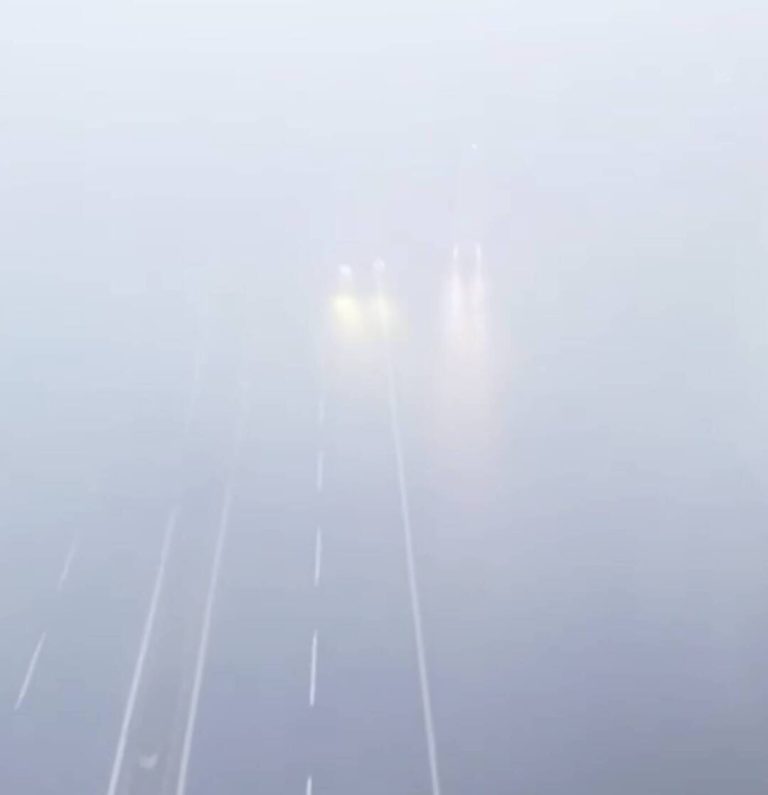
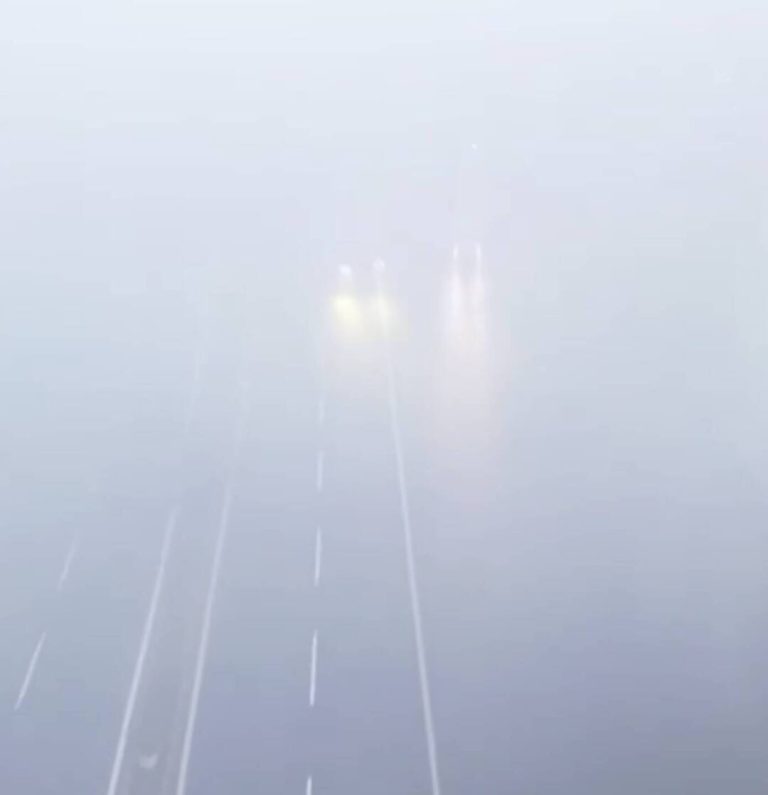
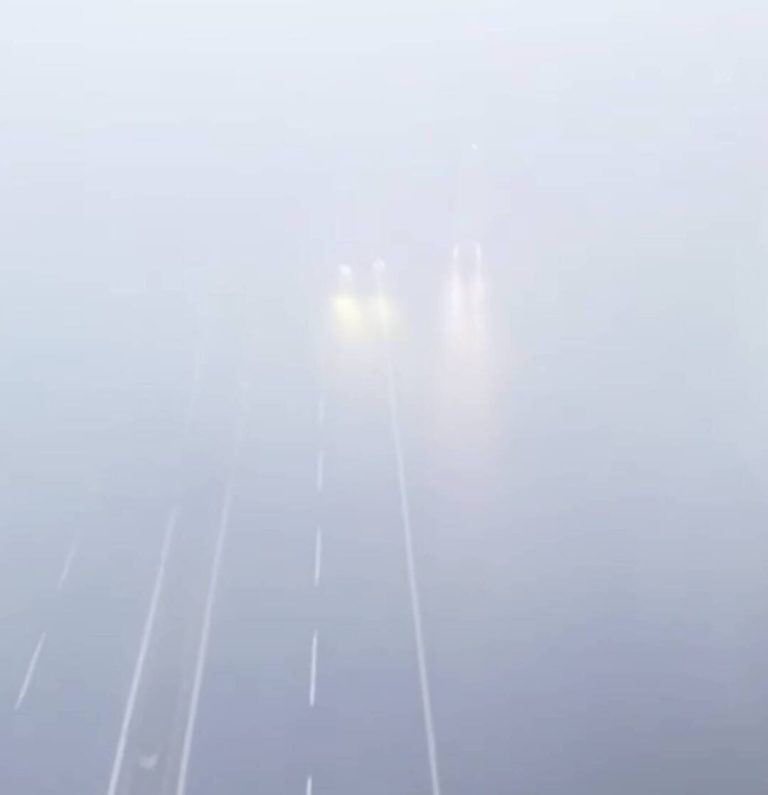
The national capital, Delhi, and its neighboring areas woke up to a thick layer of smog on Sunday morning, severely impacting train and flight services. The dense fog reduced visibility to zero, causing disruptions in transportation and daily life. According to the India Meteorological Department (IMD), the visibility was recorded at zero at the Safdarjung station in Delhi, highlighting the severity of the situation.
The poor visibility led to delays and cancellations of trains and flights, leaving thousands of commuters stranded. The railways and airlines were forced to reschedule their services, causing inconvenience to passengers who were traveling for work, education, or other purposes. The smog also caused traffic congestion on the roads, as drivers were forced to reduce their speed due to poor visibility.
Meanwhile, the air quality in Delhi also deteriorated to the severe category, posing serious health risks to the residents. The Air Quality Index (AQI) at the Anand Vihar station was recorded at 491 at 8 am, which is considered severe. The AQI is a measure of the level of pollution in the air, and a reading above 400 is considered severe. Prolonged exposure to such poor air quality can cause respiratory problems, cardiovascular diseases, and even cancer.
The poor air quality and dense smog have prompted the authorities to reimpose restrictions under the Graded Response Action Plan (GRAP-IV). The plan is designed to mitigate the effects of air pollution and reduce the AQI. Under GRAP-IV, several measures are taken, including the closure of schools, prohibition on construction activities, and restrictions on the use of diesel generators.
The dense smog and poor air quality in Delhi are not new phenomena. The city has been struggling with air pollution for years, and the situation worsens during the winter months. The main causes of air pollution in Delhi are the emission of particulate matter from vehicles, industrial activities, and crop burning in the neighboring states.
The government has taken several measures to reduce air pollution in Delhi, including the implementation of the Odd-Even scheme, which restricts the movement of vehicles based on their registration numbers. However, the scheme has had limited success, and the city continues to struggle with poor air quality.
The residents of Delhi are advised to take precautions to protect themselves from the poor air quality. They are advised to wear masks, avoid outdoor activities, and keep their windows and doors closed. The government has also set up air quality monitoring stations across the city to provide real-time data on the AQI.
In conclusion, the dense smog and poor air quality in Delhi are serious concerns that need to be addressed. The government, residents, and other stakeholders must work together to reduce air pollution and improve the quality of life in the city. The reimposition of restrictions under GRAP-IV is a step in the right direction, but more needs to be done to mitigate the effects of air pollution.
The situation is not only affecting the residents of Delhi but also having a significant impact on the economy. The poor air quality is deterring tourists and businesses from coming to the city, which can have long-term consequences for the economy.
The government must take a comprehensive approach to address the issue of air pollution in Delhi. This includes implementing policies to reduce emissions from vehicles, industries, and other sources, as well as promoting the use of clean energy and green technologies.
The residents of Delhi must also play their part in reducing air pollution. They can do this by using public transport, carpooling, or using bicycles or walking for short distances. They can also reduce their use of diesel generators and other polluting devices.
In the end, it is a collective effort that is required to improve the air quality in Delhi. The government, residents, and other stakeholders must work together to reduce air pollution and create a healthier and more sustainable environment for everyone.
News Source: https://x.com/ANI/status/2012709713537053081
About the Author