Dense Smog Pushes Visibility to Zero in Delhi, Air Quality Also Deteriorates to Severe
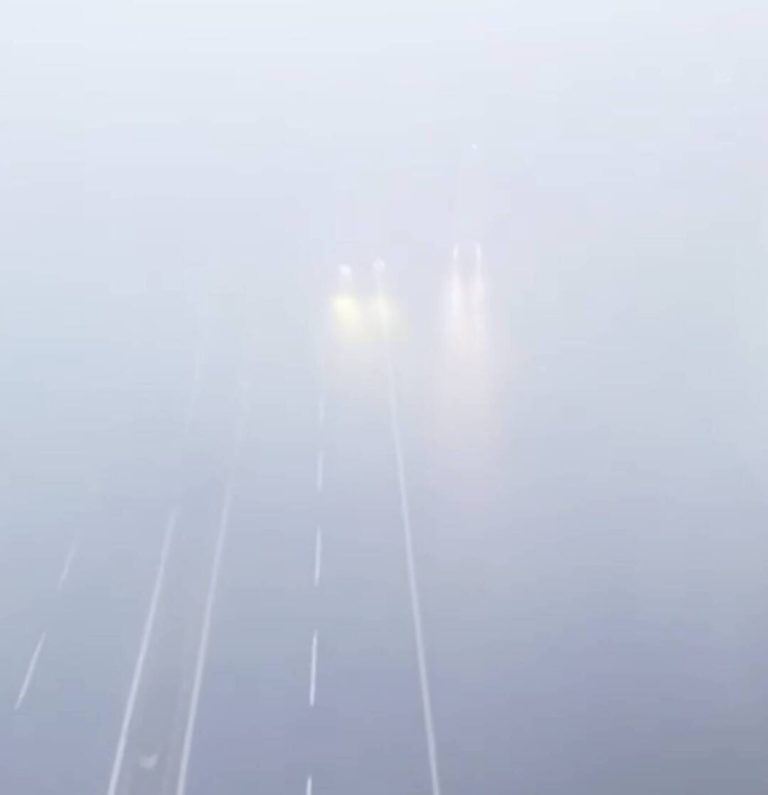
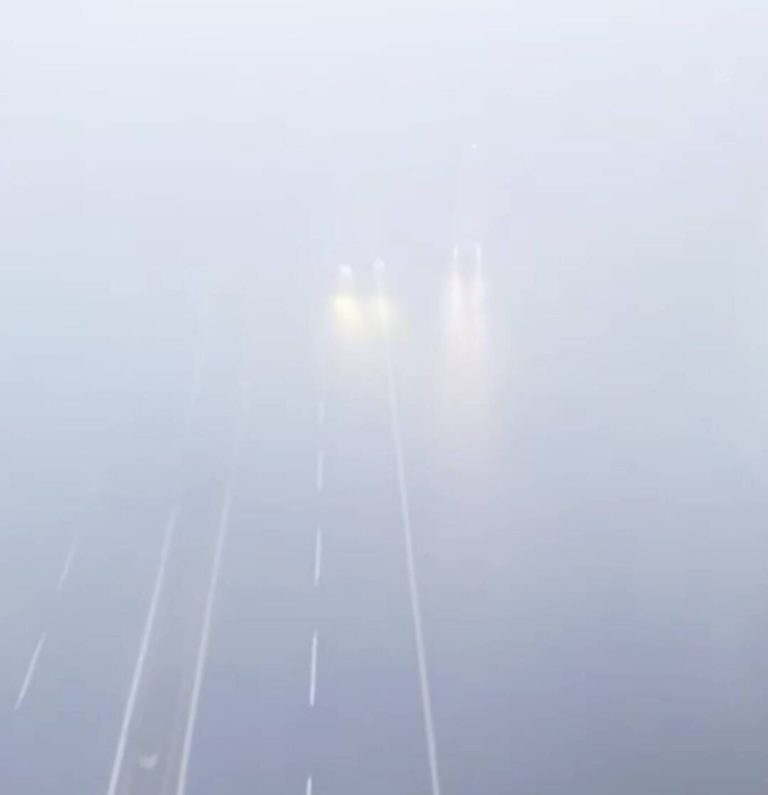
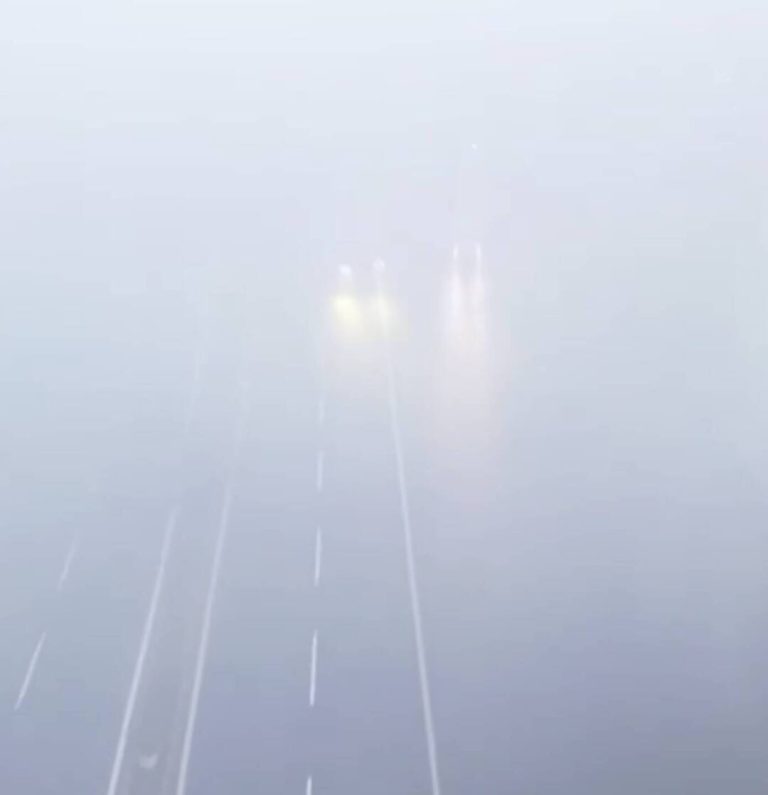
Delhi, the capital city of India, woke up to a thick layer of smog on Sunday morning, reducing visibility to almost zero. The dense smog not only affected the daily lives of the residents but also disrupted train and flight services in and around the city. According to the India Meteorological Department (IMD), the visibility at Safdarjung station in Delhi was recorded at zero, making it difficult for people to venture out.
The smog, which is a mixture of smoke and fog, is a common phenomenon in Delhi during the winter months. However, this year it has been particularly severe, with the air quality deteriorating to the severe category. The Air Quality Index (AQI) at Anand Vihar station was recorded at 491 at 8 am, which is considered hazardous for human health. The AQI is a measure of the level of pollutants in the air, and a reading above 400 is considered severe.
The severe air quality has prompted the authorities to reimpose restrictions under the Graded Response Action Plan (GRAP-IV). The GRAP is a set of measures that are implemented to reduce pollution levels in the city. The restrictions include a ban on construction activities, closure of schools and colleges, and a restriction on the movement of trucks and other vehicles.
The disruption in train and flight services has caused inconvenience to thousands of passengers. Many trains were delayed or cancelled due to poor visibility, while flights were also affected due to the dense smog. The situation is likely to worsen in the coming days, with the Meteorological Department predicting that the smog will persist for the next few days.
The residents of Delhi are bearing the brunt of the severe air quality. Many people are experiencing respiratory problems, and the hospitals are reporting an increase in the number of patients suffering from asthma and other breathing disorders. The situation is particularly worse for children, older adults, and people with pre-existing medical conditions.
The government has been criticized for not doing enough to tackle the pollution problem in Delhi. Despite the implementation of the GRAP, the pollution levels in the city continue to rise. The authorities have been accused of not taking effective measures to reduce pollution from vehicles, industries, and construction activities.
The pollution problem in Delhi is a complex issue that requires a multi-faceted approach. The government needs to take a comprehensive approach to reduce pollution levels, including implementing stricter emission norms for vehicles, increasing the use of clean energy, and reducing waste burning. The residents of Delhi also need to play a role in reducing pollution by using public transport, carpooling, and reducing their energy consumption.
In the short term, the government needs to take immediate measures to reduce pollution levels. This includes increasing the number of buses and metro trains, implementing odd-even traffic rules, and imposing a ban on construction activities. The government also needs to ensure that the GRAP is implemented effectively, and the restrictions are enforced strictly.
In conclusion, the dense smog in Delhi has pushed visibility to zero, and the air quality has deteriorated to severe. The situation is a cause for concern, and immediate measures need to be taken to reduce pollution levels. The government, residents, and other stakeholders need to work together to tackle the pollution problem in Delhi. The city needs a comprehensive and sustainable solution to reduce pollution levels and improve the quality of life for its residents.
Source: https://x.com/ANI/status/2012709713537053081
About the Author