Dense Smog Pushes Visibility to Zero in Delhi, Air Quality Also Deteriorates to Severe
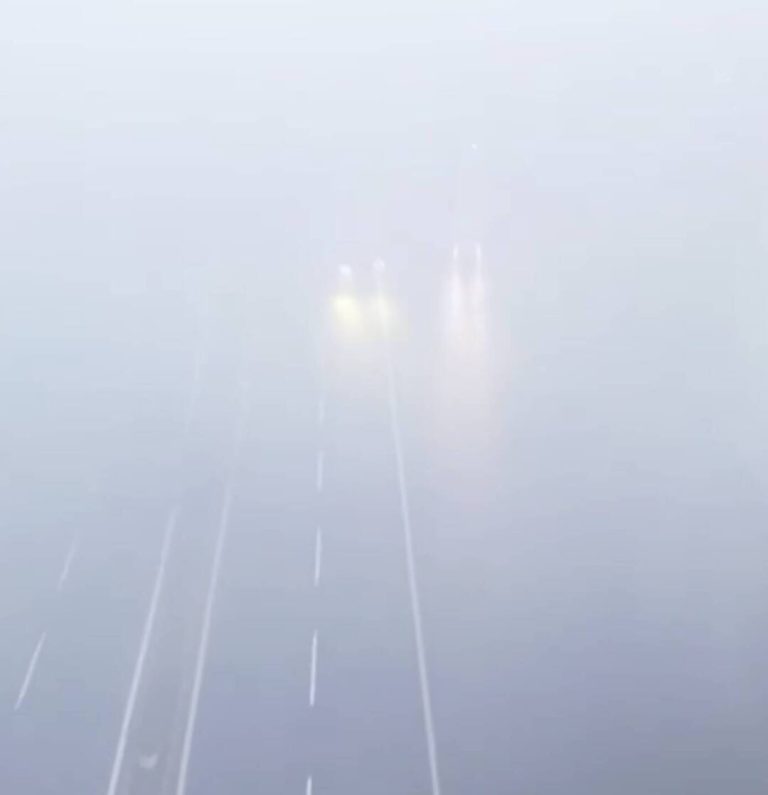
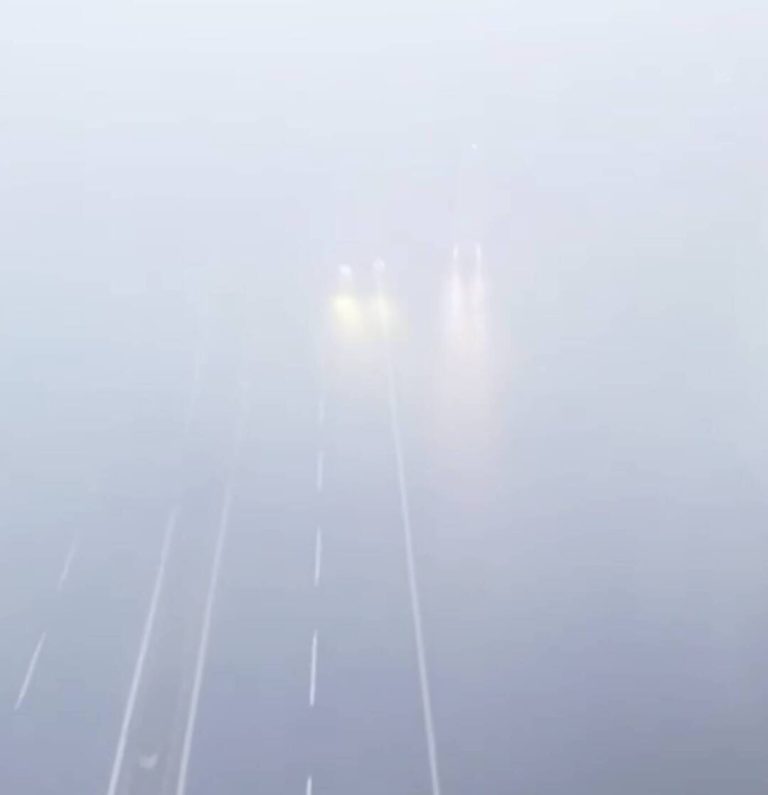
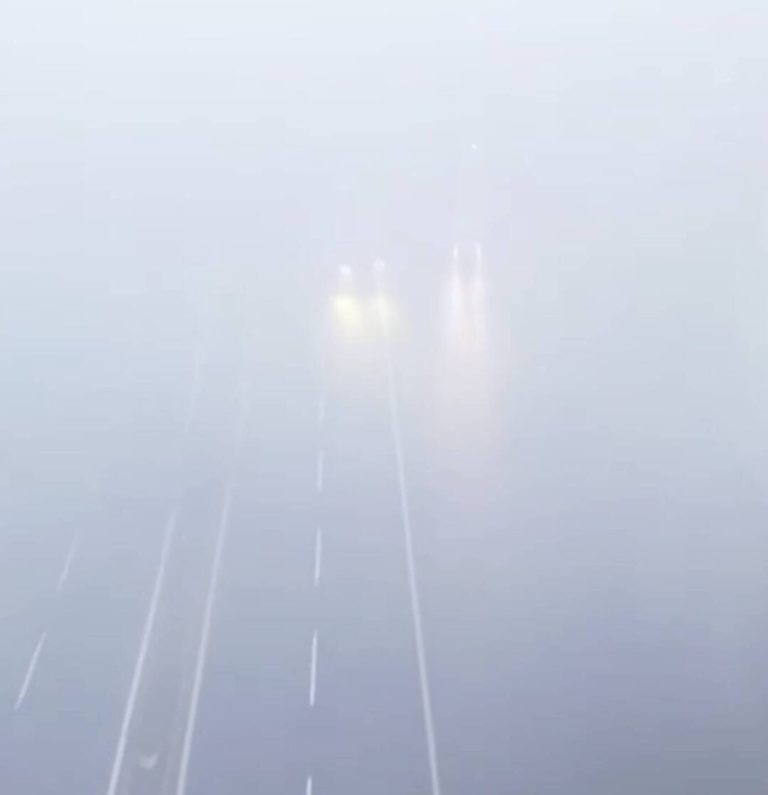
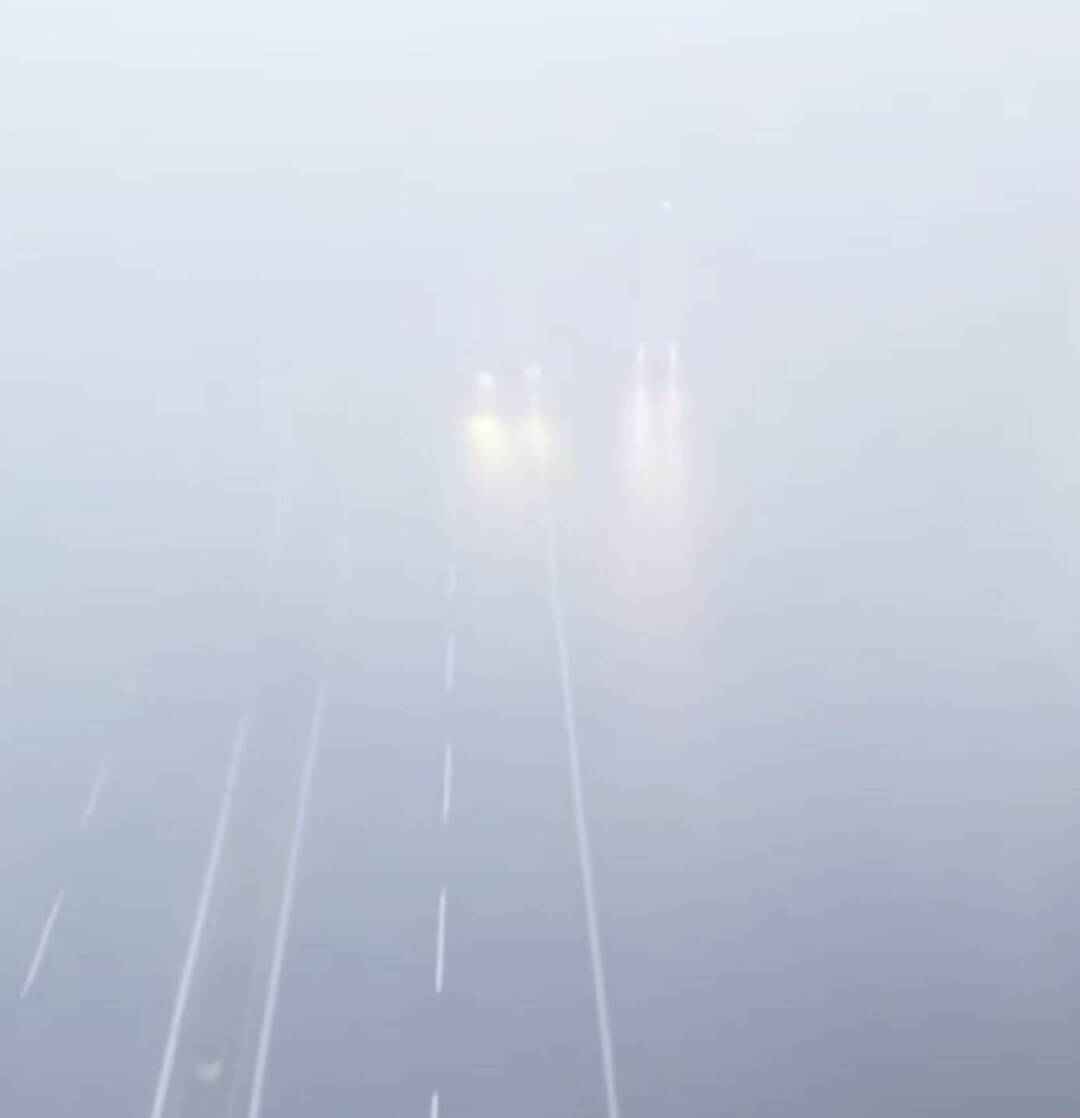
The national capital, Delhi, woke up to a thick layer of smog on Sunday morning, severely impacting visibility and air quality. The dense fog engulfed not only Delhi but also its neighboring areas, causing disruptions to train and flight services. According to the India Meteorological Department (IMD), the visibility at Safdarjung station in Delhi was recorded at zero, making it extremely difficult for commuters to navigate through the city.
The situation was further exacerbated by the deteriorating air quality, which slipped into the severe category. The Anand Vihar station in East Delhi recorded an Air Quality Index (AQI) of 491 at 8 am, indicating extremely hazardous conditions for residents. The severe air quality has prompted the authorities to reimpose restrictions under the Graded Response Action Plan (GRAP-IV) to mitigate the effects of pollution.
The smog, which is a combination of smoke and fog, is a recurring problem in Delhi during the winter months. The city’s unique geography, with the Himalayas to the north and the plains to the south, creates a temperature inversion that traps pollutants in the air. This, combined with the large amount of pollutants emitted by vehicles, industries, and other sources, creates a toxic mix that severely affects the air quality.
The impact of the smog on daily life in Delhi is significant. With visibility at zero, commuters are facing huge challenges in navigating the city. Train services have been affected, with several trains delayed or canceled due to poor visibility. Flight services have also been impacted, with some flights delayed or diverted due to the dense smog.
The severe air quality is also having a significant impact on the health of residents. The AQI of 491 recorded at Anand Vihar station is considered extremely hazardous, and prolonged exposure to such air can cause serious health problems, including respiratory issues, cardiovascular disease, and even cancer. The elderly, children, and people with pre-existing medical conditions are particularly vulnerable to the effects of poor air quality.
To combat the situation, the authorities have reimposed restrictions under GRAP-IV, which includes measures such as banning construction activities, imposing restrictions on the use of diesel generators, and enhancing public transport services. The government has also advised residents to avoid outdoor activities, especially during peak pollution hours, and to wear masks when venturing out.
The Delhi government has also announced a series of measures to tackle the pollution problem. These include the deployment of anti-smog guns, which can help reduce particulate matter in the air, and the creation of a special task force to monitor and enforce pollution control measures. The government has also announced plans to increase the number of buses and other public transport vehicles on the road to reduce the reliance on private vehicles.
The situation in Delhi is a stark reminder of the need for urgent action to address the pollution problem in the city. The government, residents, and other stakeholders must work together to create a sustainable and pollution-free environment. This can be achieved through a combination of measures, including increasing the use of public transport, promoting the use of cleaner fuels, and implementing effective waste management practices.
In conclusion, the dense smog that has engulfed Delhi and its neighboring areas is a serious concern that requires immediate attention. The severe air quality and zero visibility are having a significant impact on daily life, and it is essential that the authorities take effective measures to mitigate the effects of pollution. The reimposition of restrictions under GRAP-IV is a step in the right direction, but more needs to be done to create a sustainable and pollution-free environment in the city.
Source: https://x.com/ANI/status/2012709713537053081
About the Author