Dense Smog Pushes Visibility to Zero in Delhi, Air Quality Also Deteriorates to Severe
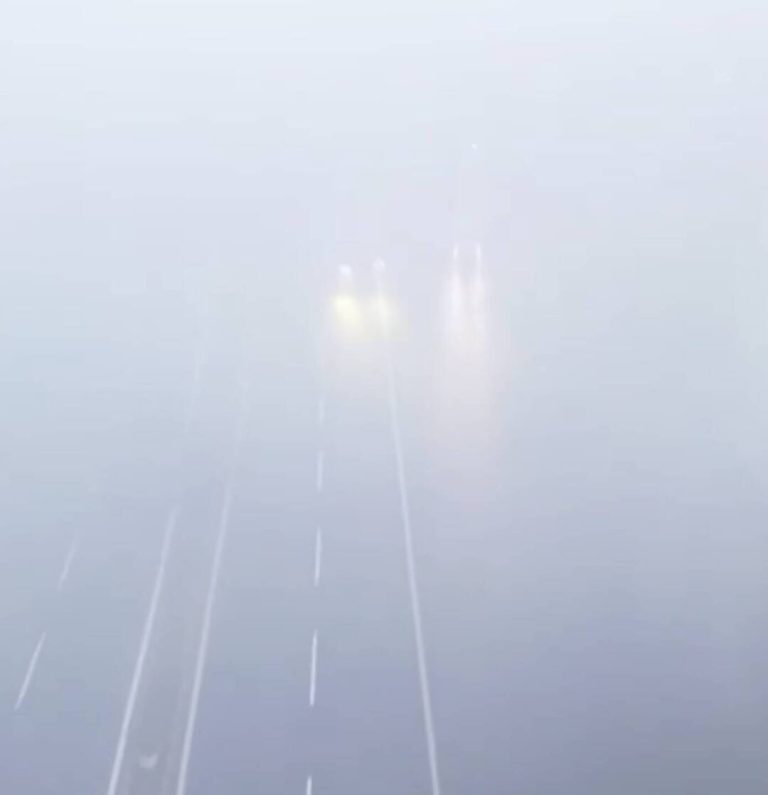
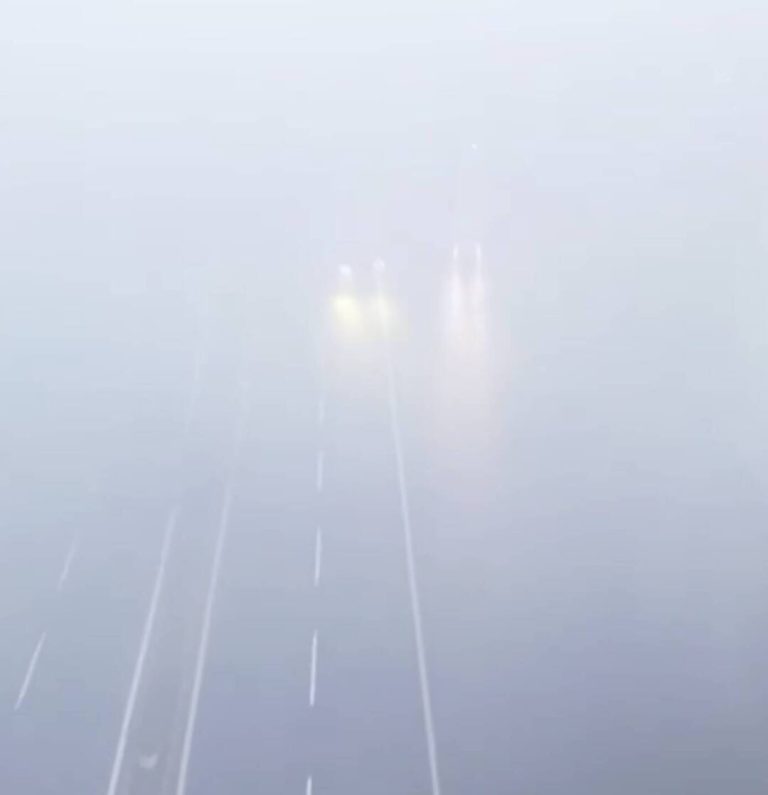
The national capital, Delhi, woke up to a thick layer of smog on Sunday morning, reducing visibility to almost zero. The dense fog not only affected the daily commute of the residents but also disrupted train and flight services. The India Meteorological Department (IMD) recorded a visibility of zero at the Safdarjung station in Delhi, highlighting the severity of the situation. To make matters worse, the air quality in the city also deteriorated to the severe category, posing serious health risks to the inhabitants.
The situation was exacerbated by the low temperature and high humidity, which led to the formation of a thick layer of fog. The fog was so dense that it reduced the visibility to just a few meters, making it difficult for people to navigate through the streets. The situation was particularly worse in the areas surrounding the airport, where flight operations were severely affected. Several flights were delayed or cancelled due to the poor visibility, causing inconvenience to the passengers.
The air quality in Delhi has been a major concern for the past few years, with the city consistently ranking among the most polluted cities in the world. The situation worsens during the winter months, when the temperature drops and the wind speed slows down, leading to the accumulation of pollutants in the air. The air quality index (AQI) is used to measure the level of pollution in the air, and any reading above 400 is considered severe.
On Sunday, the AQI at the Anand Vihar station in Delhi was recorded at 491 at 8 am, which is well above the severe category. The high levels of pollution can cause serious health problems, including respiratory issues, cardiovascular disease, and even cancer. The situation is particularly alarming for the vulnerable sections of the population, including children, pregnant women, and the elderly, who are more susceptible to the harmful effects of air pollution.
To combat the situation, the Delhi government has reimposed restrictions under the Graded Response Action Plan (GRAP-IV). The plan includes measures such as banning construction activities, restricting the use of diesel generators, and enhancing the public transport system. The government has also advised people to avoid outdoor activities and wear masks to protect themselves from the harmful effects of air pollution.
The situation in Delhi is a wake-up call for the authorities to take concrete steps to address the issue of air pollution. The city needs a comprehensive plan to reduce pollution, including measures such as improving the public transport system, promoting the use of clean energy, and enhancing the waste management system. The government must also take steps to ensure that the polluting industries are held accountable and are made to adopt cleaner technologies.
In addition to the government’s efforts, the residents of Delhi must also play their part in reducing pollution. They can do this by adopting simple measures such as carpooling, using public transport, and reducing their energy consumption. They can also participate in awareness campaigns and advocate for policies that promote clean air and sustainable development.
In conclusion, the dense smog that engulfed Delhi on Sunday morning is a serious concern that requires immediate attention. The government and the residents must work together to address the issue of air pollution and ensure that the city has clean air to breathe. The situation is a reminder that the health and well-being of the citizens must be the top priority, and all necessary measures must be taken to protect them from the harmful effects of air pollution.
Source: https://x.com/ANI/status/2012709713537053081
About the Author