Dense Smog Pushes Visibility to Zero in Delhi, Air Quality Also Deteriorates to Severe
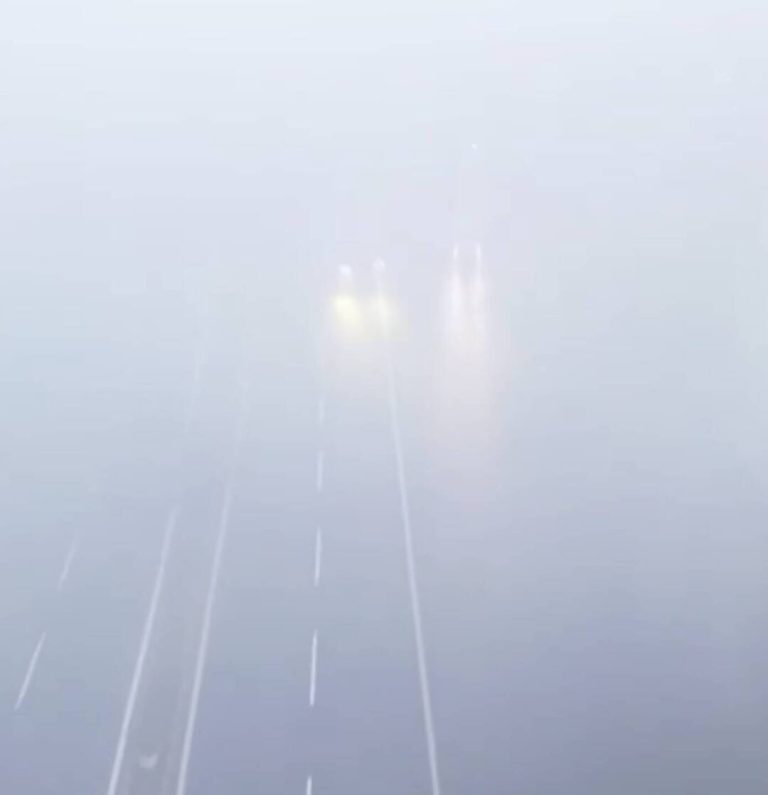
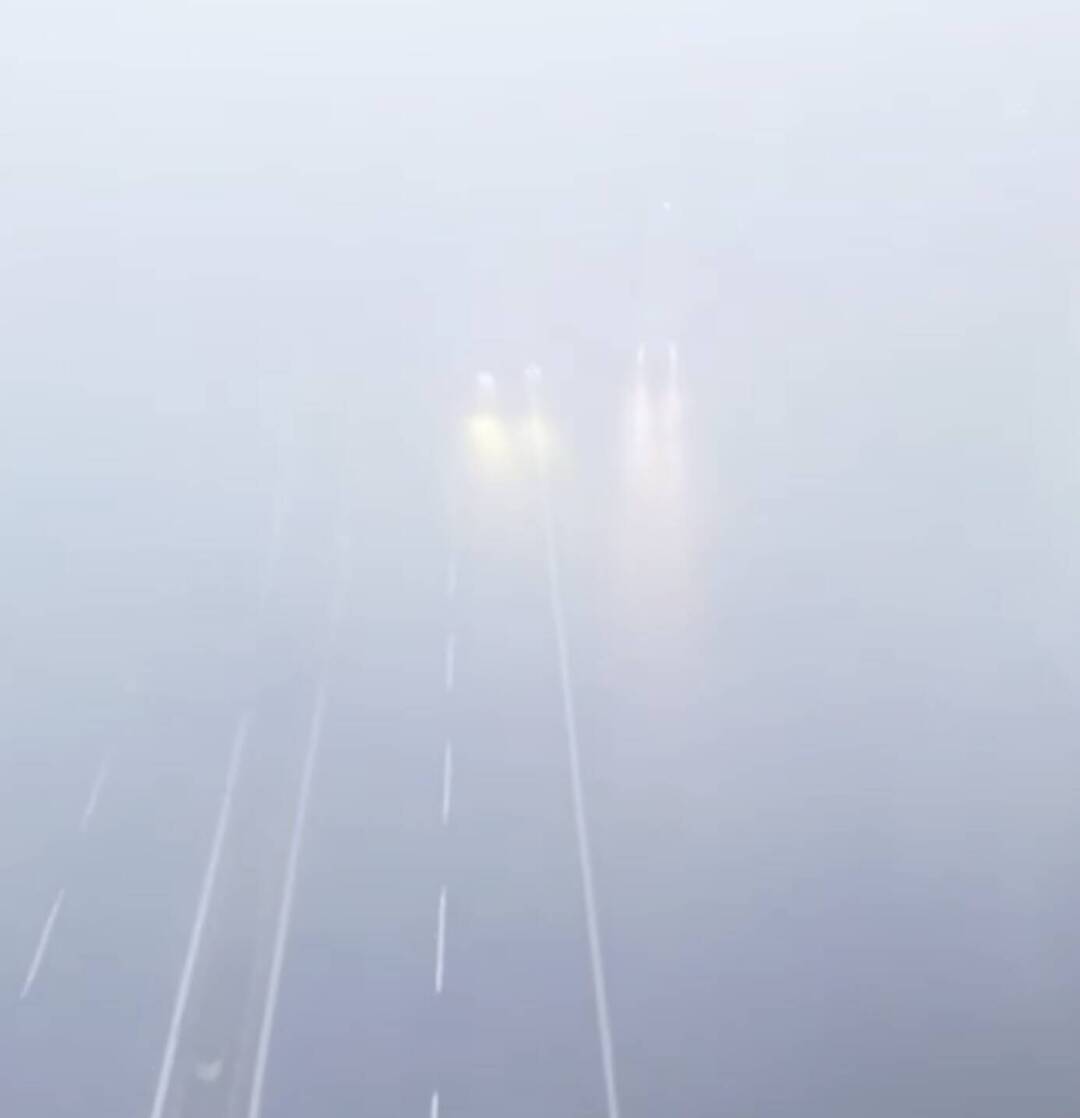
The national capital, Delhi, woke up to a thick layer of smog on Sunday morning, reducing visibility to zero and causing disruptions in train and flight services. The Indian Meteorological Department (IMD) reported that visibility was recorded at zero at the Safdarjung station in Delhi, while the air quality also deteriorated to the severe category.
The dense smog, which is a mixture of smoke and fog, engulfed not only Delhi but also neighboring areas, making it difficult for people to venture out. The situation was so bad that train and flight services were affected, with many flights being delayed or canceled. The railways also had to reduce the speed of trains to ensure safe passage.
According to the Air Quality Index (AQI) data, Anand Vihar station in Delhi recorded an AQI of 491 at 8 am, which falls under the severe category. The AQI is a measure of the level of air pollution in a given area, and a reading above 400 is considered severe. The severe air quality can cause respiratory problems, even among healthy individuals, and can exacerbate existing health conditions such as asthma.
The deterioration in air quality has prompted the authorities to reimpose restrictions under the Graded Response Action Plan (GRAP-IV). GRAP-IV is a set of measures that are implemented when the AQI is severe, and includes restrictions on construction activities, industrial activities, and the use of diesel generators. The plan also includes measures to enhance public transport and reduce the number of private vehicles on the road.
The smog in Delhi is a recurring problem, and the city has been struggling to find a solution to it. The main causes of the smog are the burning of crop stubble in neighboring states, vehicular emissions, and industrial pollution. The city’s geography, with the Himalayas to the north and the plains to the south, also contributes to the problem, as it traps the pollutants and prevents them from dispersing.
The government has been taking steps to address the issue, including implementing the Odd-Even scheme to reduce the number of private vehicles on the road, and banning the burning of crop stubble in neighboring states. However, more needs to be done to address the root causes of the problem and to find a long-term solution.
In the short term, the authorities are advising people to take precautions to protect themselves from the pollution. This includes wearing masks, avoiding outdoor activities, and keeping windows and doors closed. The authorities are also setting up air purifiers in public places, such as metro stations and hospitals, to provide relief to people.
The smog in Delhi is not just a local issue, but a national concern. The city is the capital of the country, and it is a hub of economic and cultural activity. The pollution in the city affects not just the residents, but also the visitors and the economy. Therefore, it is essential that the government takes concrete steps to address the issue and to find a long-term solution.
In conclusion, the dense smog that engulfed Delhi on Sunday morning has pushed visibility to zero and deteriorated the air quality to severe. The situation is a cause for concern, and the authorities need to take immediate action to address the issue. The government needs to implement the restrictions under GRAP-IV, and take long-term measures to address the root causes of the problem. The people of Delhi also need to take precautions to protect themselves from the pollution, and to contribute to the efforts to reduce the pollution.
News Source: https://x.com/ANI/status/2012709713537053081
About the Author