Dense Smog Pushes Visibility to Zero in Delhi, Air Quality Also Deteriorates to Severe
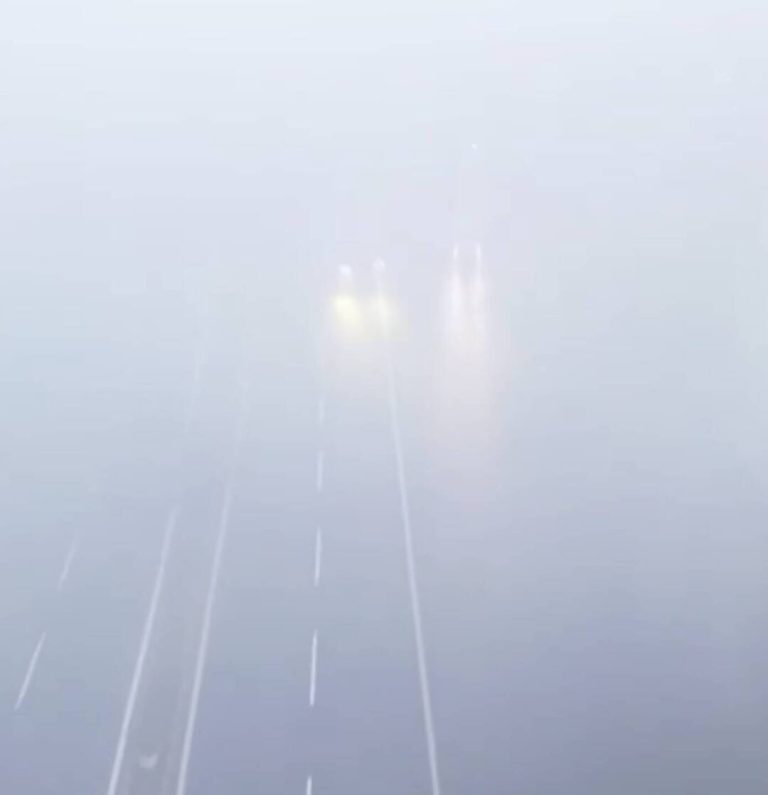
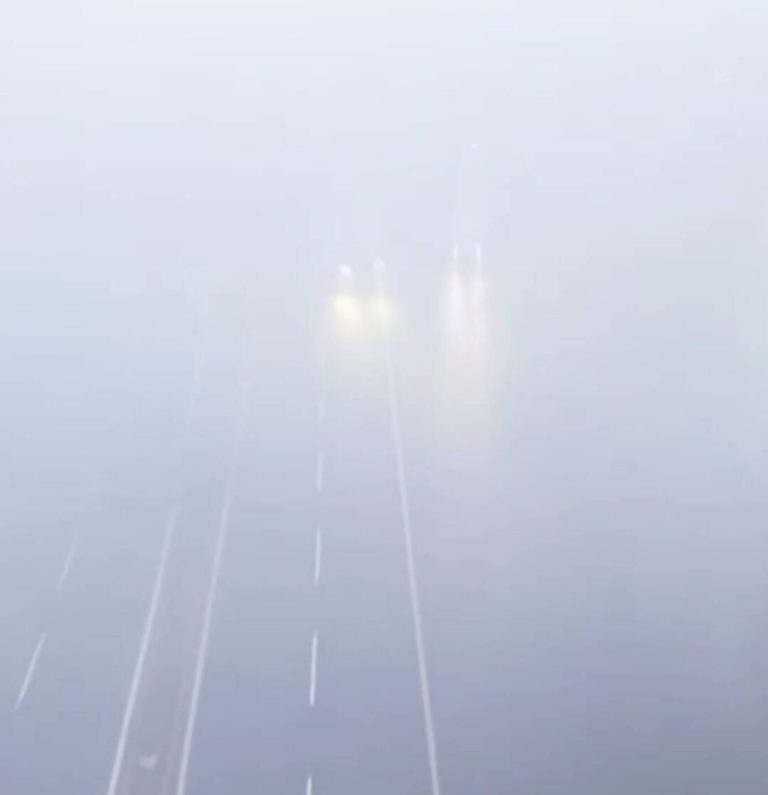
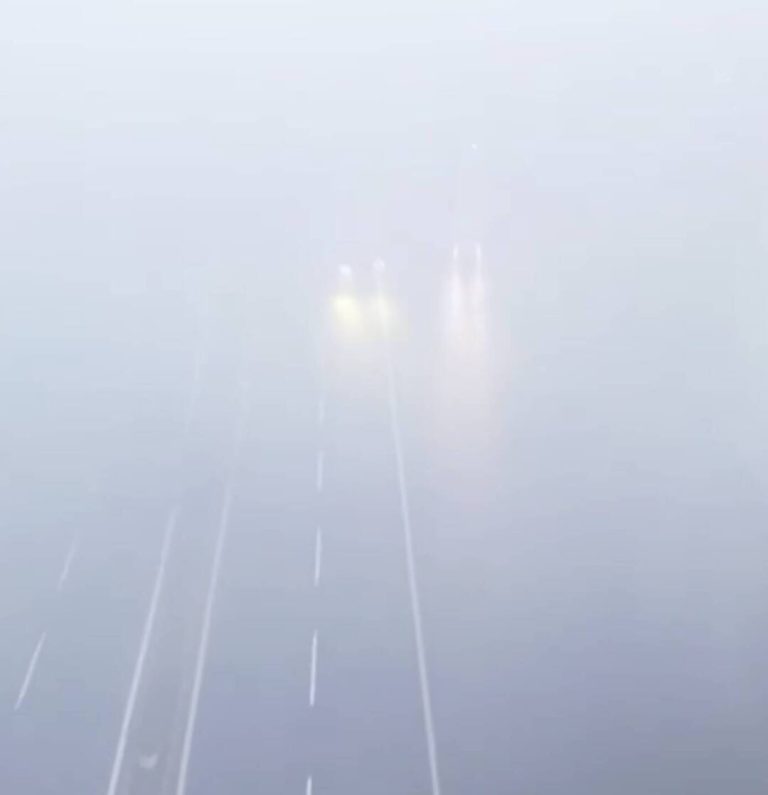
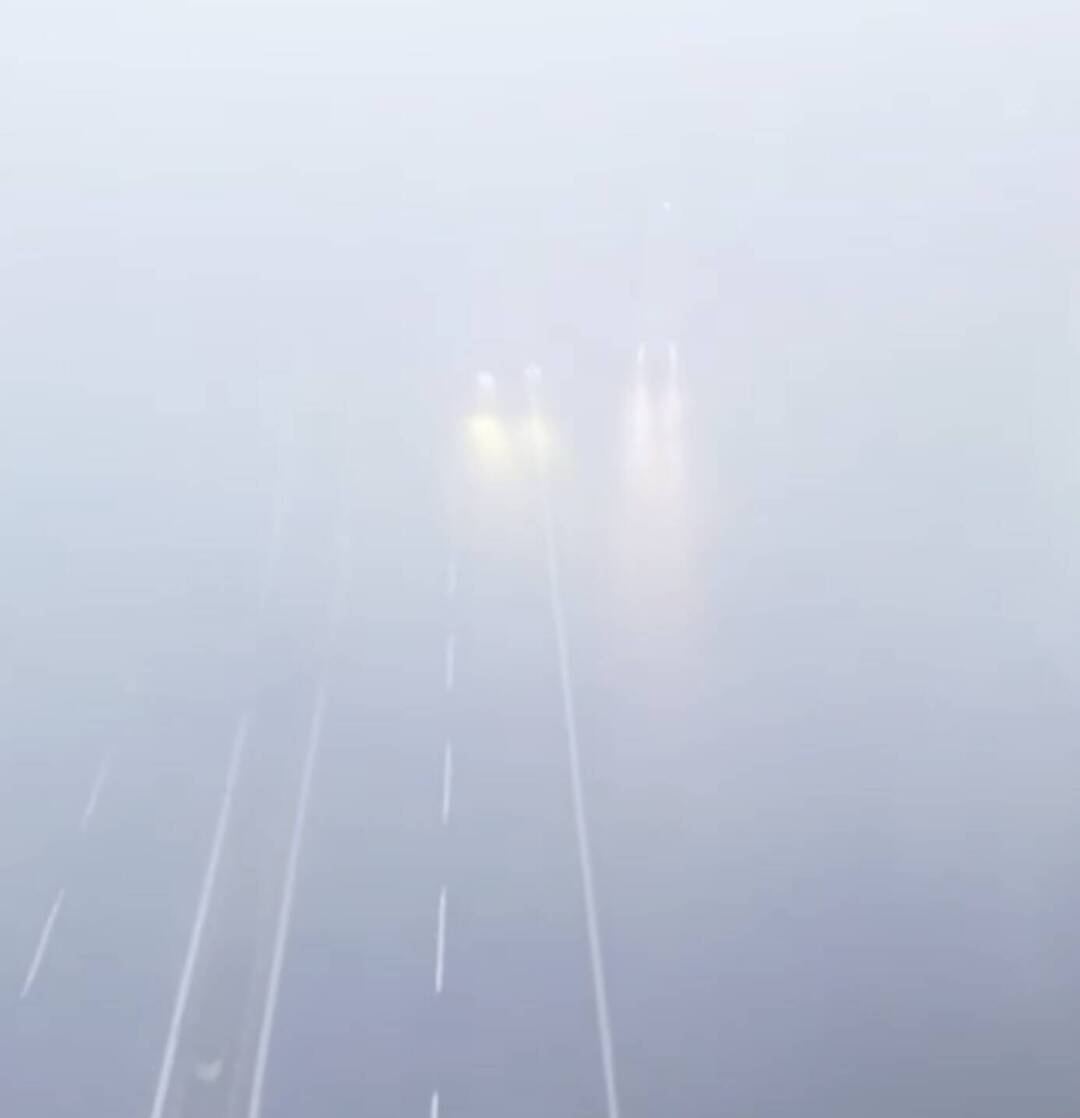
Delhi, the capital city of India, woke up to a thick layer of smog on Sunday morning, reducing visibility to zero and severely affecting train and flight services. The Indian Meteorological Department (IMD) reported that visibility was recorded at zero at Safdarjung station in Delhi, making it extremely difficult for people to commute. The air quality in the city also deteriorated to the severe category, with Anand Vihar station recording an Air Quality Index (AQI) of 491 at 8 am.
The dense smog, which is a combination of smoke and fog, engulfed not only Delhi but also neighboring areas, causing widespread disruptions. Train services were severely affected, with many trains running late or being canceled due to poor visibility. Flight services were also impacted, with several flights being delayed or diverted due to the poor weather conditions.
The air quality in Delhi has been a major concern for several years, with the city consistently ranking among the most polluted cities in the world. The main causes of air pollution in Delhi are the burning of fossil fuels, industrial emissions, and agricultural waste. The city’s geography, with the Himalayas to the north and the Thar Desert to the west, also contributes to the pollution, as it traps pollutants in the city.
The severe air quality in Delhi has serious health implications for its residents. Prolonged exposure to polluted air can cause respiratory problems, cardiovascular disease, and even cancer. Children, the elderly, and people with pre-existing medical conditions are particularly vulnerable to the effects of air pollution.
In an effort to mitigate the effects of air pollution, the Delhi government has implemented several measures, including the odd-even traffic rule, which restricts the movement of private vehicles on alternate days. The government has also imposed restrictions on the burning of agricultural waste and has encouraged the use of cleaner fuels, such as compressed natural gas (CNG) and liquefied petroleum gas (LPG).
However, despite these efforts, the air quality in Delhi continues to deteriorate, particularly during the winter months. The city’s air quality is expected to remain in the severe category for the next few days, with the AQI expected to remain above 400.
In response to the severe air quality, the Delhi government has reimposed restrictions under the Graded Response Action Plan (GRAP-IV). These restrictions include a ban on construction activities, a restriction on the movement of trucks, and a closure of schools and colleges. The government has also advised people to avoid outdoor activities and to wear masks when venturing outside.
The dense smog and severe air quality in Delhi are not only a concern for the city’s residents but also a major challenge for the government. The government needs to take urgent and effective measures to address the root causes of air pollution and to improve the air quality in the city. This includes implementing stricter emission norms, encouraging the use of cleaner fuels, and promoting sustainable transportation options.
In conclusion, the dense smog and severe air quality in Delhi are a major concern for the city’s residents and the government. The government needs to take urgent and effective measures to address the root causes of air pollution and to improve the air quality in the city. This includes implementing stricter emission norms, encouraging the use of cleaner fuels, and promoting sustainable transportation options. The residents of Delhi also need to take responsibility for their actions and make conscious choices to reduce their contribution to air pollution.
News Source: https://x.com/ANI/status/2012709713537053081
About the Author