Dense Smog Pushes Visibility to Zero in Delhi, Air Quality Also Deteriorates to Severe
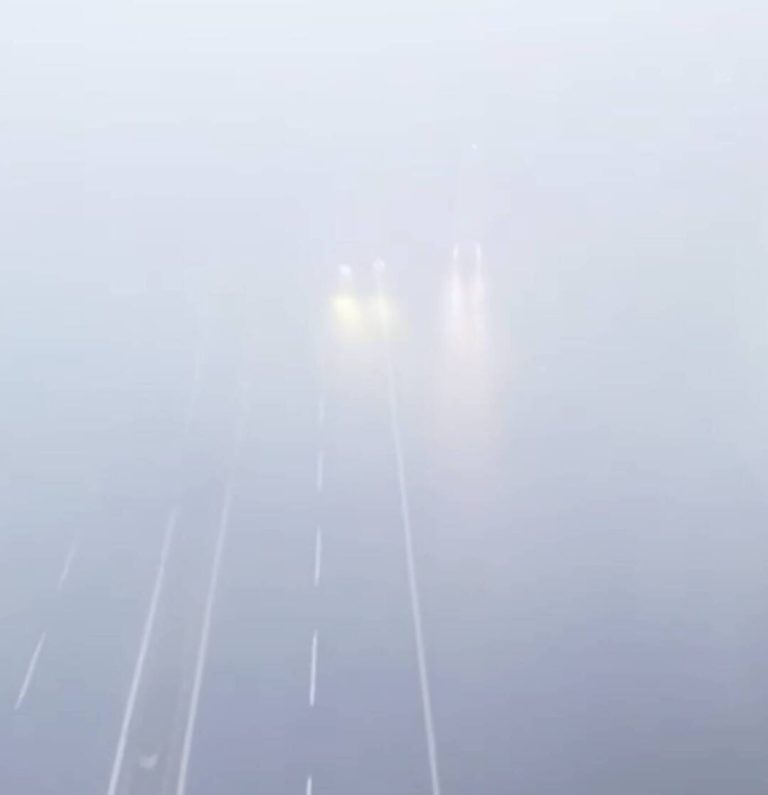
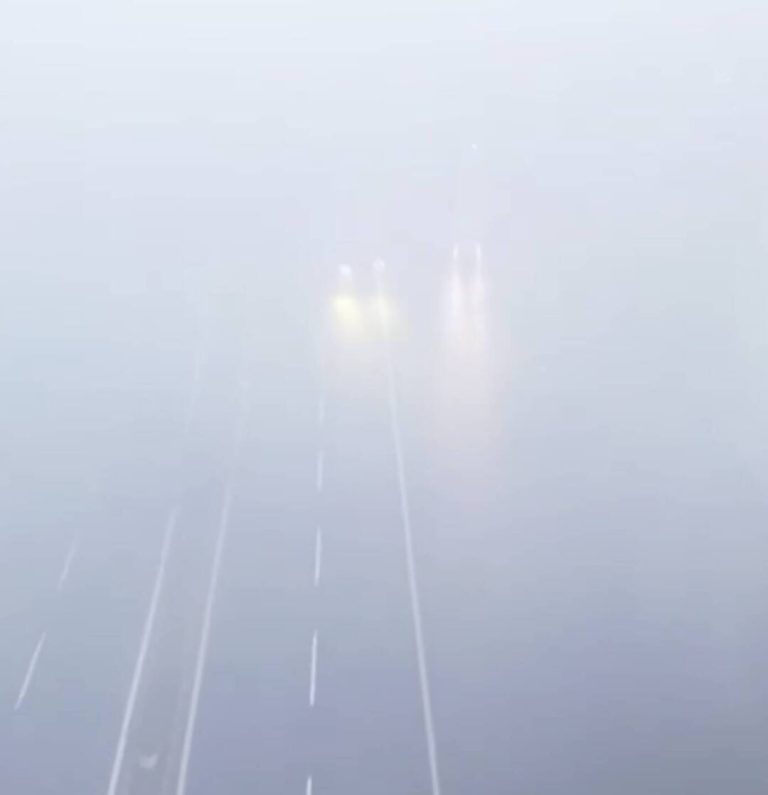
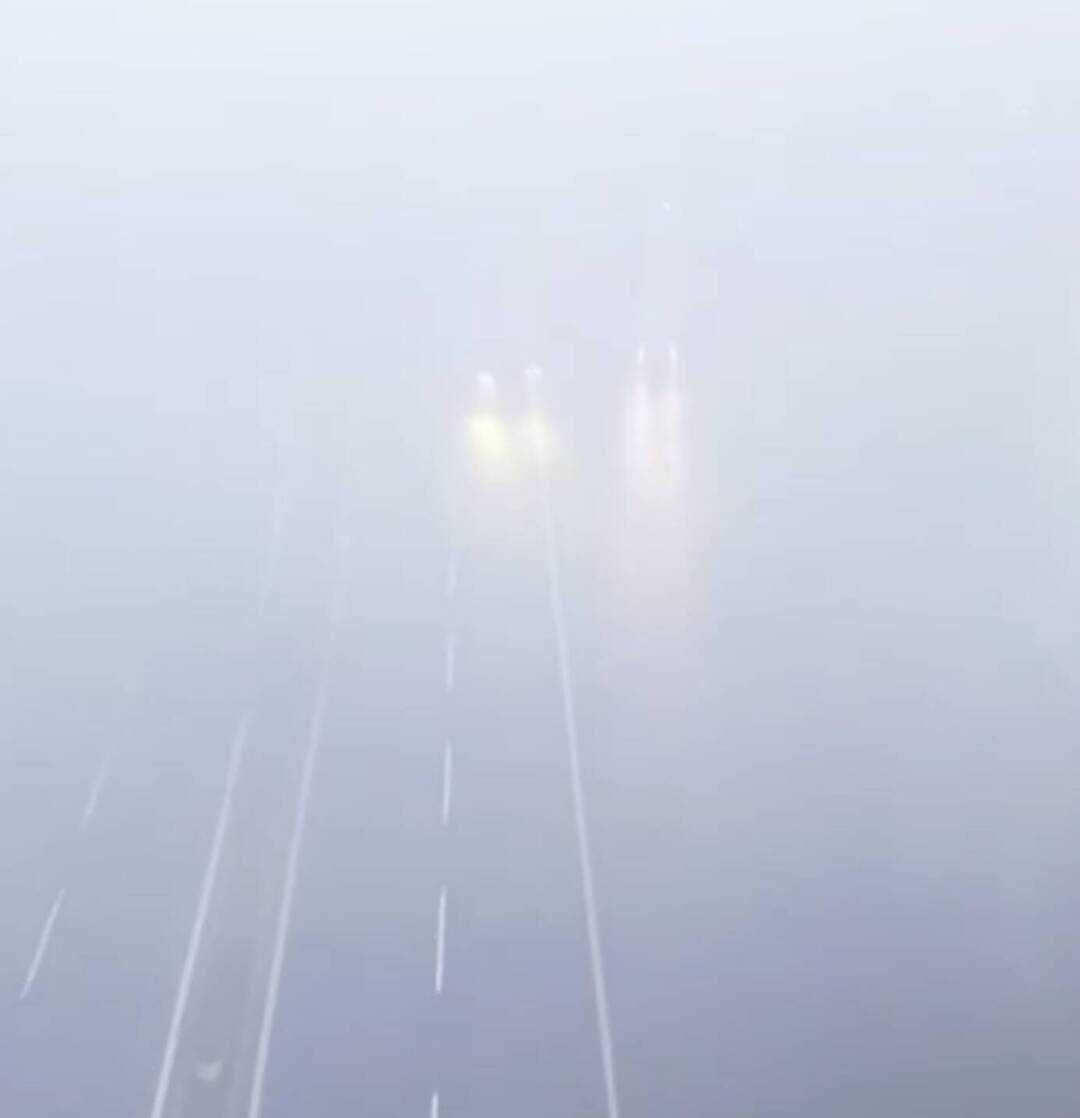
A thick layer of smog engulfed Delhi and neighboring areas on Sunday morning, bringing the city to a grinding halt. The dense fog affected not only the daily commute of the residents but also disrupted train and flight services. According to the India Meteorological Department (IMD), visibility was recorded at zero at Safdarjung station in Delhi, making it difficult for people to navigate through the city.
The situation was further exacerbated by the deteriorating air quality, which plunged to the severe category. Anand Vihar station recorded an Air Quality Index (AQI) of 491 at 8 am, indicating a severe level of pollution. The AQI is a measure of the level of air pollution in a given area, and a reading above 400 is considered severe. The severe air quality can cause respiratory problems, especially for people with pre-existing conditions, and can also lead to other health issues.
The dense smog and poor air quality have forced the authorities to reimpose restrictions under the Graded Response Action Plan (GRAP-IV). GRAP is a set of measures implemented by the government to tackle air pollution in the National Capital Region (NCR). The plan involves a series of steps, including restrictions on construction activities, closure of schools, and a ban on the use of diesel generators.
The smog and air pollution have become a recurring problem in Delhi, especially during the winter months. The city’s unique geography, with the Himalayas to the north and the plains to the south, creates a bowl-like effect that traps pollutants in the air. The situation is further worsened by the burning of crop stubble in neighboring states, which releases large amounts of particulate matter into the air.
The residents of Delhi woke up to a thick layer of fog on Sunday morning, with visibility reduced to almost zero. The situation made it difficult for people to commute to work, and many were forced to stay indoors. The disruption in train and flight services added to the chaos, with many passengers stranded at airports and railway stations.
The authorities have advised people to stay indoors and avoid any outdoor activities, especially during the peak pollution hours. They have also recommended the use of masks and other protective gear to minimize the exposure to pollutants. The government has also set up a number of air quality monitoring stations across the city to track the pollution levels and take necessary steps to mitigate the problem.
The air pollution in Delhi has become a major concern, with the city consistently ranking among the most polluted cities in the world. The government has taken a number of steps to address the issue, including the implementation of GRAP and the promotion of cleaner fuels. However, more needs to be done to tackle the problem, and it requires a collective effort from the government, residents, and other stakeholders.
In the short term, the authorities need to focus on implementing the restrictions under GRAP-IV and ensuring that the pollution levels are brought under control. This includes enforcing the ban on construction activities, closure of schools, and restrictions on the use of diesel generators. The government also needs to work with neighboring states to prevent the burning of crop stubble and reduce the flow of pollutants into the city.
In the long term, the government needs to focus on implementing sustainable solutions to address the air pollution problem. This includes promoting the use of cleaner fuels, such as electric and hybrid vehicles, and investing in renewable energy sources. The government also needs to work with industries and businesses to reduce their emissions and promote sustainable practices.
In conclusion, the dense smog and poor air quality in Delhi have become a major concern, and it requires immediate attention from the authorities. The government needs to take a proactive approach to address the problem, and it requires a collective effort from all stakeholders. The residents of Delhi deserve to breathe clean air, and it is the responsibility of the government to ensure that the city has a healthy and sustainable environment.
Source: https://x.com/ANI/status/2012709713537053081
About the Author