Trump’s old video saying ‘Oh good! Nobel Prize’ over Russia-Ukraine war surfaces
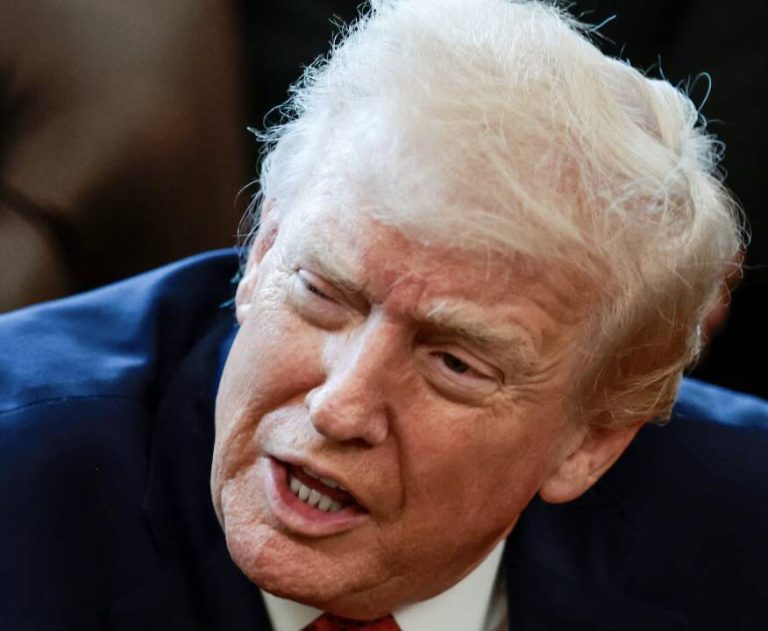
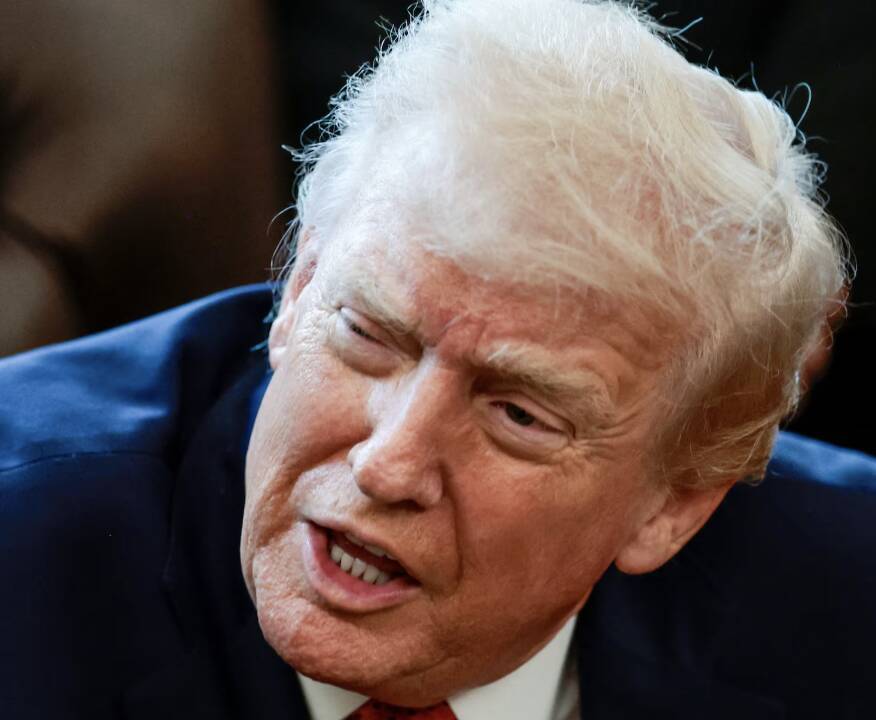
In a shocking turn of events, a video from 2025 has surfaced, showing a conversation between US President Donald Trump and French President Emmanuel Macron. The video, which has been making rounds on social media, reveals a rather astonishing reaction from Trump when he was informed about the developments in the Russia-Ukraine conflict. When Macron told Trump that Ukrainian President Volodymyr Zelenskyy had accepted the ceasefire proposal, Trump’s response was nothing short of astounding. With a hint of excitement and a dash of arrogance, Trump exclaimed, “Oh good! Nobel Prize!”
This reaction has sparked a flurry of debates and discussions, with many criticizing Trump’s seemingly self-centered approach to global conflicts. The fact that Trump’s first thought upon hearing the news of a potential ceasefire was the possibility of winning a Nobel Prize, has raised eyebrows and led to accusations of prioritizing personal gain over the well-being of nations.
It’s worth noting that Trump has repeatedly claimed to have ended eight wars, including the India-Pakistan conflict in May 2025. While the accuracy of these claims is still a topic of debate, one thing is certain – Trump’s approach to international diplomacy has always been unconventional, to say the least. The latest video surfacing has only added fuel to the fire, with many questioning Trump’s true motives and intentions.
The Russia-Ukraine conflict has been a major point of concern for the global community, with thousands of lives lost and millions displaced. The international community has been working tirelessly to broker a peace deal, and the news of a potential ceasefire is a welcome respite. However, Trump’s reaction to this news has somewhat marred the optimism, with many feeling that his response was insensitive and self-serving.
The video, which has been widely shared on social media, has also sparked a conversation about the role of leadership in times of conflict. Many have argued that a true leader should prioritize the well-being of their people and the global community, rather than personal gain or recognition. Trump’s response, on the other hand, seems to suggest that his primary concern is his own legacy and the possibility of winning a Nobel Prize.
It’s also worth examining the context in which this conversation took place. The Russia-Ukraine conflict has been a major challenge for the international community, with many world leaders working together to find a solution. The fact that Trump’s first thought was about winning a Nobel Prize, rather than the potential consequences of the conflict or the well-being of the people involved, is a telling sign of his priorities.
In recent years, Trump has been known for his unconventional approach to diplomacy, often prioritizing his own personal interests over the greater good. This approach has led to controversy and criticism, with many accusing him of being self-serving and insensitive. The latest video to surface has only added to this narrative, with many feeling that Trump’s reaction to the news of a potential ceasefire was a classic example of his prioritizing personal gain over the well-being of nations.
As the world continues to grapple with the challenges of the Russia-Ukraine conflict, it’s essential to have leaders who prioritize the greater good over personal interests. The international community needs leaders who can work together to find solutions, rather than those who are focused on personal gain or recognition. Trump’s reaction to the news of a potential ceasefire is a stark reminder of the challenges we face in the world of international diplomacy, and the need for leaders who can put the needs of their people and the global community above their own personal interests.
In conclusion, the video of Trump’s conversation with Macron has surfaced at a critical time, sparking important conversations about leadership, diplomacy, and the role of personal interests in international conflicts. As we move forward, it’s essential to prioritize the well-being of nations and the global community, rather than personal gain or recognition. The world needs leaders who can work together to find solutions, rather than those who are focused on their own legacy or personal interests.
Source: https://x.com/dhairyam14/status/2012511380671512905
About the Author