IIT Indore creates AI human replica to help detect diseases
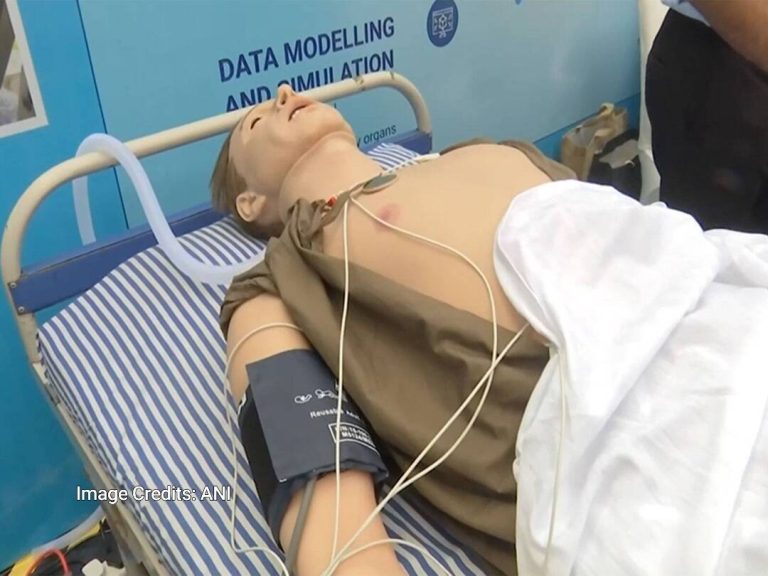
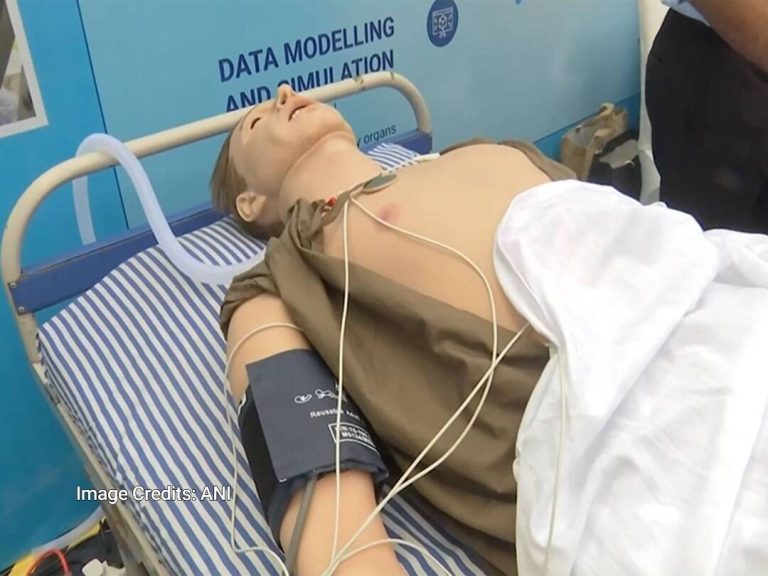
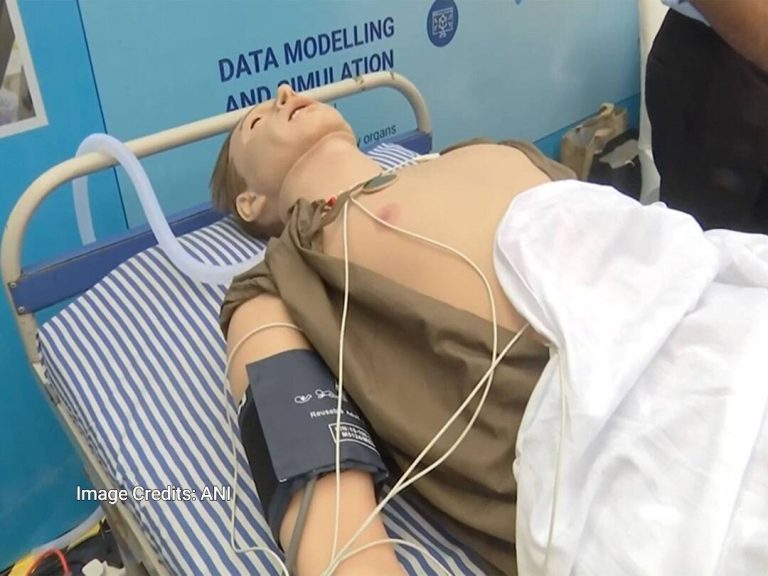
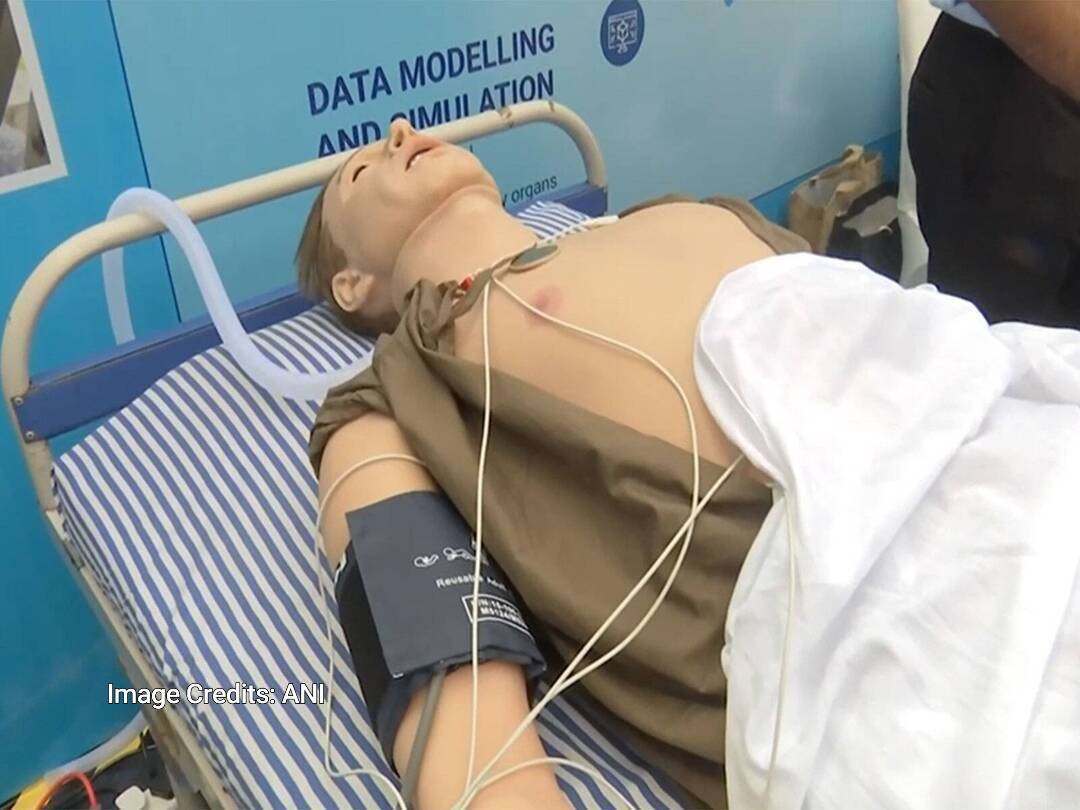
In a groundbreaking development, the Indian Institute of Technology (IIT) Indore has successfully created an AI-powered human-like replica that can be used to detect diseases in the human body. According to a report by ANI, this innovative technology has the potential to revolutionize the field of medicine by aiding doctors in early and preventive diagnosis. The AI-powered replica is designed to mimic basic human functions, making it an invaluable tool for medical professionals.
The human-like replica, powered by artificial intelligence, can imitate fundamental human functions such as blinking and breathing. This remarkable ability allows the replica to simulate the patterns of diseases in different organs, enabling doctors to identify and diagnose diseases more accurately. The AI robot’s capacity to replicate human functions makes it an ideal platform for testing and training medical professionals.
One of the significant advantages of this technology is its potential to assist doctors in early diagnosis. By simulating disease patterns, the AI-powered replica can help medical professionals identify diseases at an early stage, increasing the chances of successful treatment. This is particularly crucial for diseases that are difficult to diagnose, such as cancer, where early detection can significantly improve patient outcomes.
The AI-powered replica can also aid in preventive diagnosis, allowing doctors to take proactive measures to prevent diseases from occurring in the first place. By analyzing data and identifying patterns, the replica can help medical professionals predict the likelihood of a disease occurring, enabling them to take preventive measures. This approach can lead to a significant reduction in healthcare costs and improve patient outcomes.
The development of the AI-powered human-like replica is a testament to the innovative spirit of IIT Indore. The institution has consistently pushed the boundaries of technological advancements, and this achievement is a reflection of its commitment to excellence. The use of AI in medicine is a rapidly growing field, and IIT Indore’s contribution to this area is expected to have a significant impact on the healthcare industry.
The AI-powered replica has the potential to transform medical education and training. Medical students and professionals can use the replica to practice and hone their skills in a realistic and safe environment. The replica can simulate various scenarios, allowing medical professionals to develop their diagnostic and treatment skills without putting real patients at risk.
Furthermore, the AI-powered replica can facilitate research and development in the medical field. Scientists and researchers can use the replica to test new treatments and medications, reducing the need for human trials and accelerating the development of new therapies. The replica can also help researchers understand the progression of diseases, enabling them to develop more effective treatments.
The development of the AI-powered human-like replica is a significant milestone in the field of medicine. The potential applications of this technology are vast, and it is expected to have a profound impact on the healthcare industry. As the technology continues to evolve, we can expect to see even more innovative applications of AI in medicine.
In conclusion, the creation of the AI-powered human-like replica by IIT Indore is a groundbreaking achievement that has the potential to revolutionize the field of medicine. The replica’s ability to simulate human functions and disease patterns makes it an invaluable tool for medical professionals, enabling them to diagnose and treat diseases more effectively. As the technology continues to advance, we can expect to see significant improvements in patient outcomes and a reduction in healthcare costs.
About the Author