IIT Indore creates AI human replica to help detect diseases
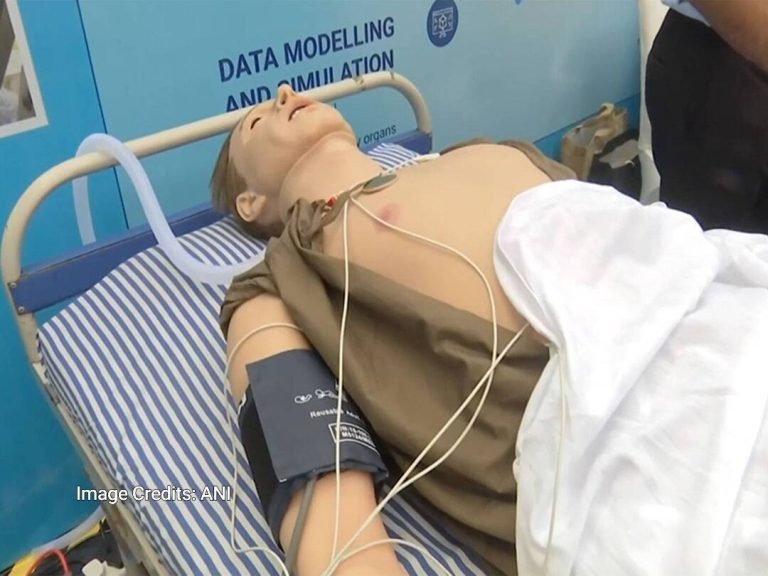
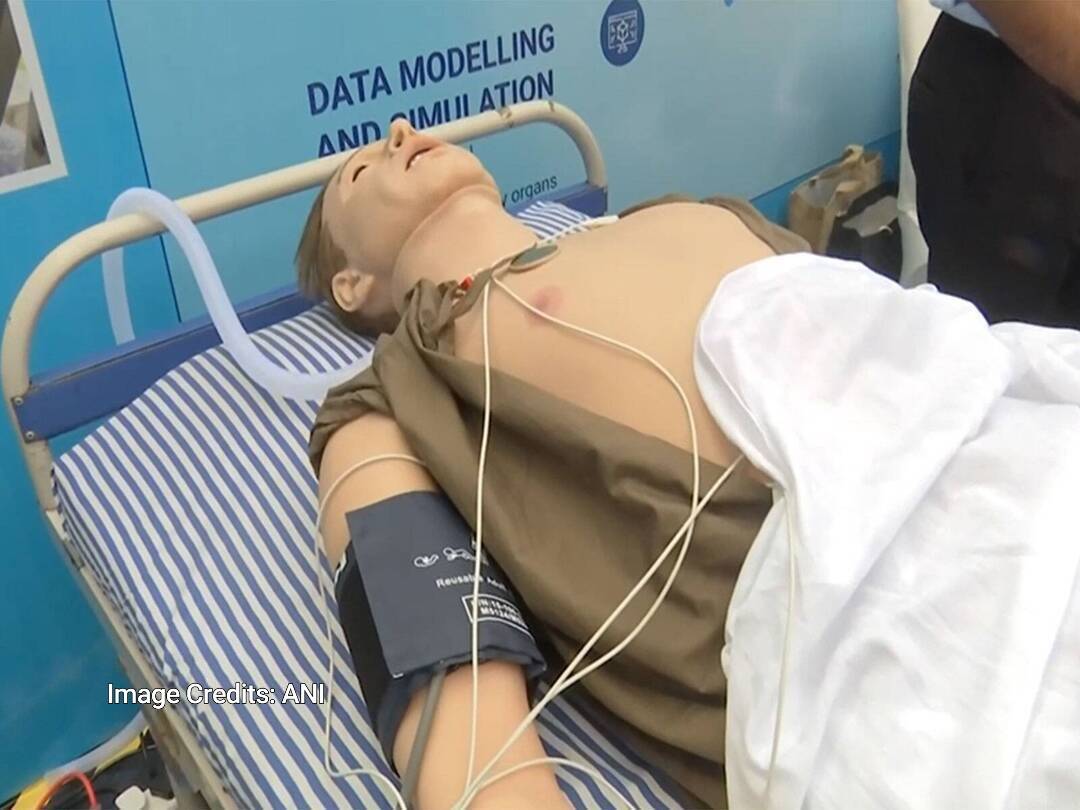
In a groundbreaking development, the Indian Institute of Technology (IIT) Indore has successfully created an AI-powered human-like replica that can be used to detect diseases in the human body. This innovative technology has the potential to revolutionize the field of medicine, enabling doctors to diagnose diseases at an early stage and provide preventive care. According to a report by ANI, the AI-powered replica can mimic basic human functions like blinking and breathing, making it an incredibly realistic and useful tool for medical professionals.
The AI-powered human-like replica is equipped with advanced technology that allows it to simulate various human functions, including breathing, blinking, and even heartbeat. This makes it an ideal tool for doctors to practice and refine their diagnostic skills, as well as to test new treatments and procedures. The replica can also be used to educate medical students, providing them with a realistic and interactive learning experience.
One of the most significant advantages of the AI-powered replica is its ability to aid in the identification of disease patterns in different organs. By simulating various diseases and conditions, the replica can help doctors to better understand the progression of diseases and develop more effective treatment plans. This can lead to earlier and more accurate diagnoses, which is critical for preventing the progression of diseases and improving patient outcomes.
The AI-powered replica can also be used to test new medical devices and equipment, reducing the risk of errors and complications during real-life procedures. This can help to improve patient safety and reduce the risk of medical errors, which are a major concern in the healthcare industry.
The development of the AI-powered human-like replica is a testament to the innovative spirit and technological expertise of the researchers at IIT Indore. The institute has been at the forefront of technological innovation, and this latest development is a significant milestone in the field of medical technology.
The use of AI-powered replicas in medicine is not entirely new, but the level of sophistication and realism achieved by IIT Indore is unparalleled. The replica’s ability to mimic human functions and simulate disease patterns makes it an invaluable tool for medical professionals, and its potential to improve patient outcomes is vast.
The development of the AI-powered replica is also a significant step towards personalized medicine. By simulating individual patient profiles, the replica can help doctors to develop tailored treatment plans that take into account a patient’s unique characteristics and needs. This can lead to more effective treatments and better patient outcomes, which is the ultimate goal of medical care.
In addition to its potential to improve patient outcomes, the AI-powered replica can also help to reduce healthcare costs. By enabling doctors to practice and refine their skills in a simulated environment, the replica can reduce the risk of medical errors and complications, which can be costly and time-consuming to treat.
The AI-powered human-like replica developed by IIT Indore is a significant breakthrough in the field of medical technology, and its potential to improve patient outcomes is vast. As the technology continues to evolve and improve, we can expect to see even more innovative applications of AI-powered replicas in medicine.
In conclusion, the development of the AI-powered human-like replica by IIT Indore is a groundbreaking achievement that has the potential to revolutionize the field of medicine. Its ability to simulate human functions and disease patterns makes it an invaluable tool for medical professionals, and its potential to improve patient outcomes is vast. As we continue to push the boundaries of technological innovation, we can expect to see even more exciting developments in the field of medical technology.
About the Author