IIT Indore creates AI human replica to help detect diseases
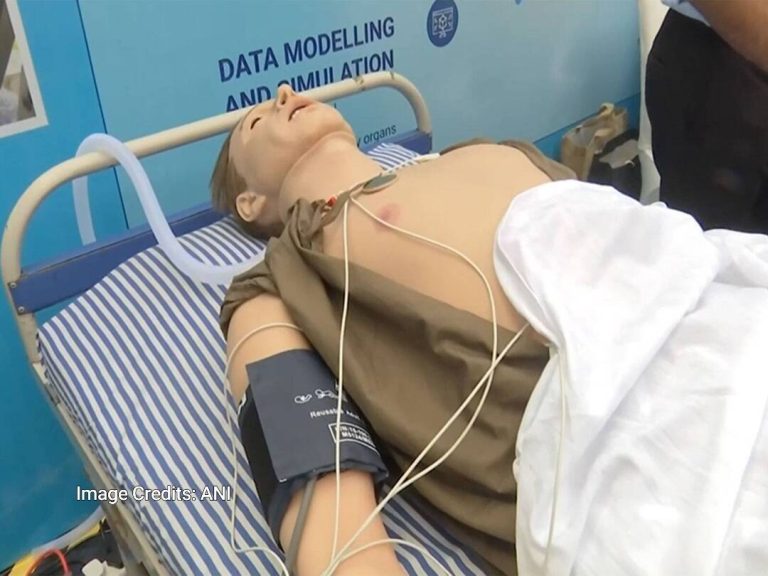
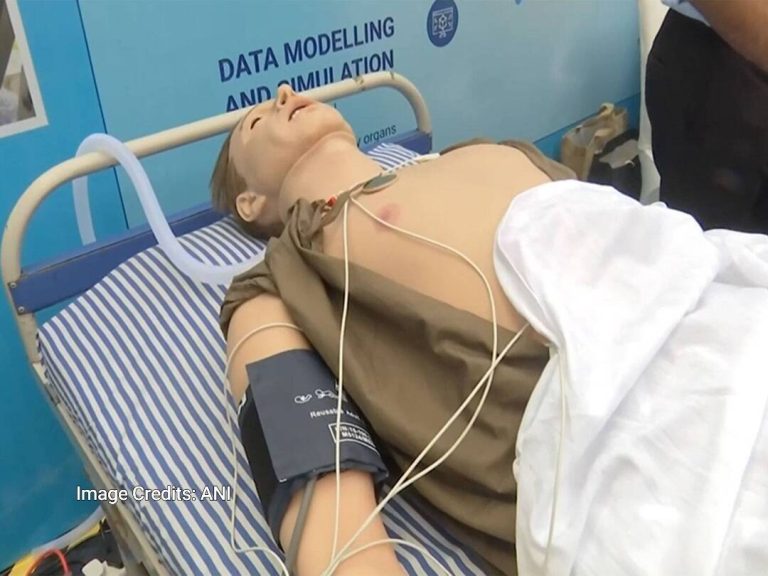
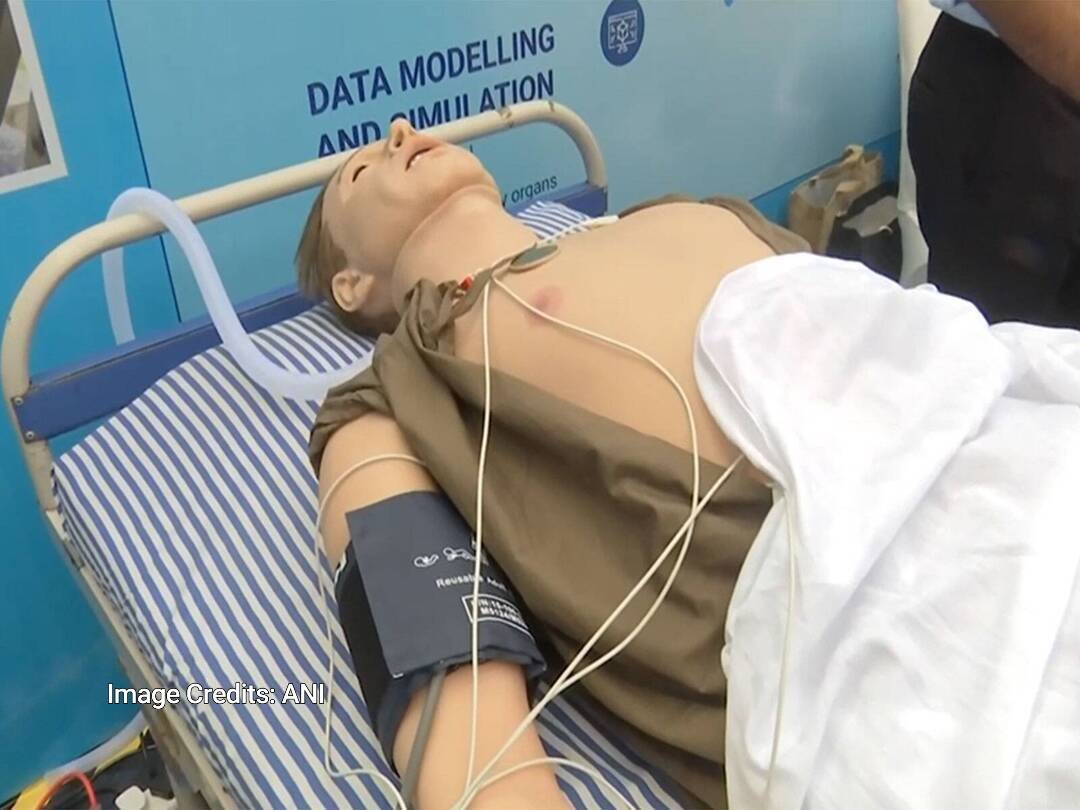
In a groundbreaking development, the Indian Institute of Technology (IIT) Indore has successfully created an AI-powered human-like replica that can aid in the detection of diseases in the human body. This innovative technology has the potential to revolutionize the medical field by assisting doctors in early and preventive diagnosis. According to a report by ANI, the replica can mimic basic human functions such as blinking and breathing, making it an invaluable tool for medical professionals.
The AI-powered human-like replica is a significant breakthrough in the field of artificial intelligence and medicine. The replica is designed to imitate the human body’s functions, allowing it to simulate the behavior of various organs and systems. This enables doctors to study the patterns of diseases in different organs and identify potential health risks before they become severe. The replica can be used to detect a wide range of diseases, from cardiovascular disorders to neurological conditions.
One of the most significant advantages of the AI-powered human-like replica is its ability to aid in early diagnosis. By simulating the behavior of different organs and systems, the replica can help doctors identify potential health risks before symptoms appear. This can lead to early intervention and prevention, reducing the risk of complications and improving patient outcomes. The replica can also be used to test new treatments and medications, allowing doctors to predict their effectiveness and potential side effects.
The AI-powered human-like replica is also expected to play a crucial role in medical education and training. The replica can be used to simulate real-life scenarios, allowing medical students to practice and hone their skills in a safe and controlled environment. This can help reduce the risk of medical errors and improve patient care. The replica can also be used to educate patients about their conditions, allowing them to better understand their treatment options and make informed decisions about their care.
The development of the AI-powered human-like replica is a testament to the innovative spirit of IIT Indore. The institute has a long history of excellence in research and development, and this latest breakthrough is a significant addition to its list of achievements. The replica is the result of collaboration between experts from various fields, including artificial intelligence, medicine, and engineering. The team behind the replica has worked tirelessly to create a technology that is both innovative and practical, with the potential to make a significant impact on the medical field.
The use of AI in medicine is not new, but the development of a human-like replica is a significant step forward. AI has been used in various medical applications, from diagnostic imaging to personalized medicine. However, the creation of a human-like replica takes AI to a new level, allowing doctors to simulate real-life scenarios and test new treatments in a safe and controlled environment. The replica is also expected to reduce the need for animal testing, which is a major concern for many medical professionals.
The AI-powered human-like replica is also expected to improve patient care by allowing doctors to personalize treatment plans. By simulating the behavior of different organs and systems, the replica can help doctors identify the most effective treatment options for individual patients. This can lead to better patient outcomes and improved quality of life. The replica can also be used to monitor patient progress, allowing doctors to make adjustments to treatment plans as needed.
In conclusion, the development of the AI-powered human-like replica by IIT Indore is a significant breakthrough in the field of medicine. The replica has the potential to revolutionize the medical field by assisting doctors in early and preventive diagnosis. The use of AI in medicine is expected to continue growing, and the creation of a human-like replica is a major step forward. As the technology continues to evolve, we can expect to see even more innovative applications of AI in medicine.
The development of the AI-powered human-like replica is a testament to the power of innovation and collaboration. The team behind the replica has worked tirelessly to create a technology that is both innovative and practical, with the potential to make a significant impact on the medical field. As we look to the future, it is exciting to think about the potential applications of this technology and the impact it could have on patient care.
About the Author