IIT Indore creates AI human replica to help detect diseases
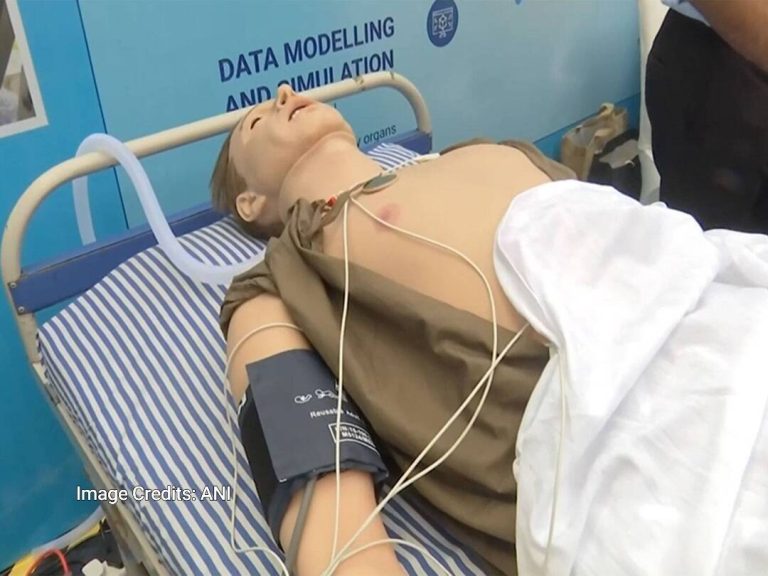
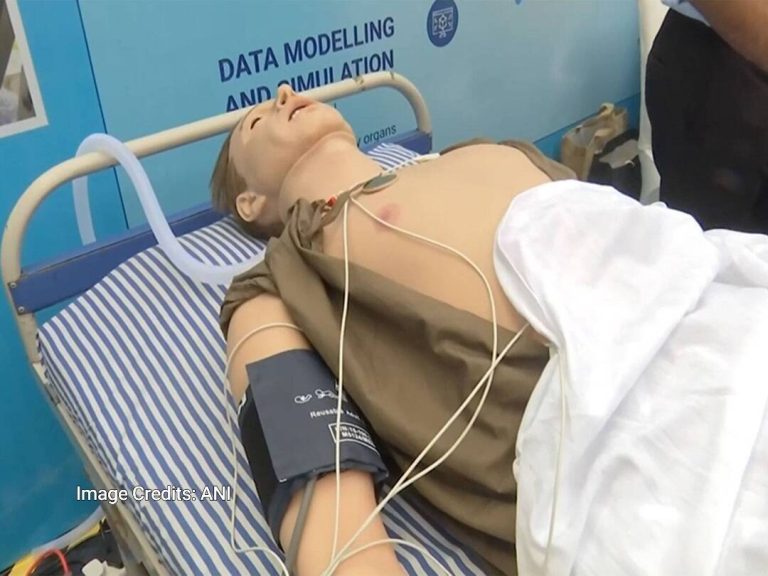
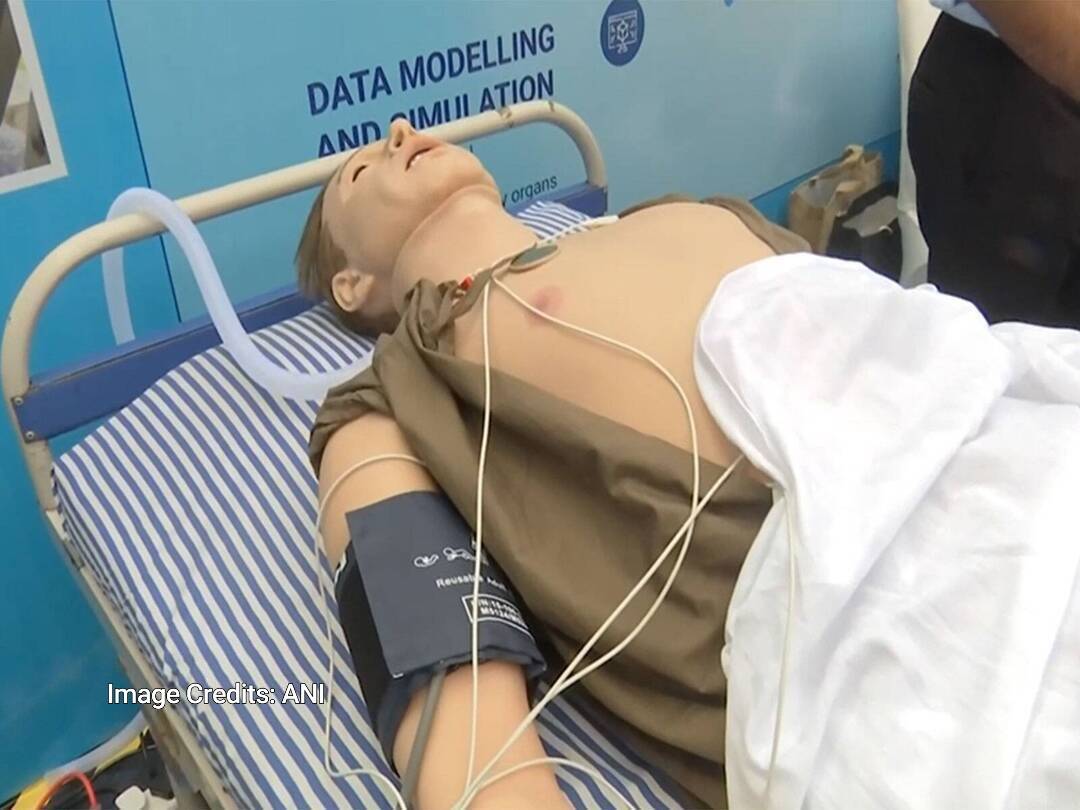
In a groundbreaking development, the Indian Institute of Technology (IIT) Indore has created an artificial intelligence (AI) powered human-like replica that can be used to detect diseases in the human body. According to a report by ANI, this innovative technology has the potential to revolutionize the field of medicine by enabling early and preventive diagnosis of various diseases.
The AI-powered human replica is designed to mimic basic human functions such as blinking and breathing, making it an incredibly realistic and effective tool for medical research and diagnosis. By imitating the human body’s functions, the replica can help identify patterns of diseases in different organs, allowing doctors to detect and treat illnesses at an early stage.
The development of this AI-powered human replica is a significant milestone in the field of medical technology. Traditional methods of disease diagnosis often rely on invasive and expensive procedures, which can be time-consuming and may not always provide accurate results. The IIT Indore’s AI-powered human replica offers a non-invasive and cost-effective alternative, enabling doctors to diagnose diseases with greater precision and speed.
The replica’s ability to mimic human functions like blinking and breathing makes it an ideal tool for studying the behavior of diseases in the human body. By analyzing the replica’s responses to different stimuli, doctors can gain a deeper understanding of how diseases progress and affect various organs. This knowledge can be used to develop more effective treatment plans and improve patient outcomes.
One of the most significant advantages of the AI-powered human replica is its potential to facilitate early diagnosis. Many diseases, such as cancer and cardiovascular disease, can be treated more effectively if detected at an early stage. The replica’s ability to identify patterns of diseases in different organs can help doctors detect illnesses before symptoms appear, allowing for timely intervention and treatment.
The IIT Indore’s AI-powered human replica is also expected to play a crucial role in medical research. By providing a realistic and accurate model of the human body, the replica can be used to test new treatments and medications, reducing the need for animal testing and human clinical trials. This can help accelerate the development of new therapies and treatments, ultimately improving patient care and outcomes.
The development of the AI-powered human replica is a testament to the innovative and cutting-edge research being conducted at IIT Indore. The institute’s commitment to advancing medical technology and improving human health is evident in this groundbreaking project. As the technology continues to evolve, it is likely to have a significant impact on the field of medicine, enabling doctors to diagnose and treat diseases more effectively.
In conclusion, the IIT Indore’s AI-powered human replica is a revolutionary technology that has the potential to transform the field of medicine. By providing a realistic and accurate model of the human body, the replica can help doctors detect diseases at an early stage, facilitate medical research, and improve patient outcomes. As the technology continues to advance, it is likely to play an increasingly important role in the diagnosis and treatment of various diseases.
The development of the AI-powered human replica is a significant step forward in the field of medical technology, and it is expected to have a major impact on the healthcare industry. With its ability to mimic human functions and identify patterns of diseases, the replica is poised to become a valuable tool for doctors and medical researchers. As the technology continues to evolve, it is likely to improve patient care and outcomes, ultimately saving lives and improving the quality of life for millions of people around the world.
About the Author