IIT Indore creates AI human replica to help detect diseases
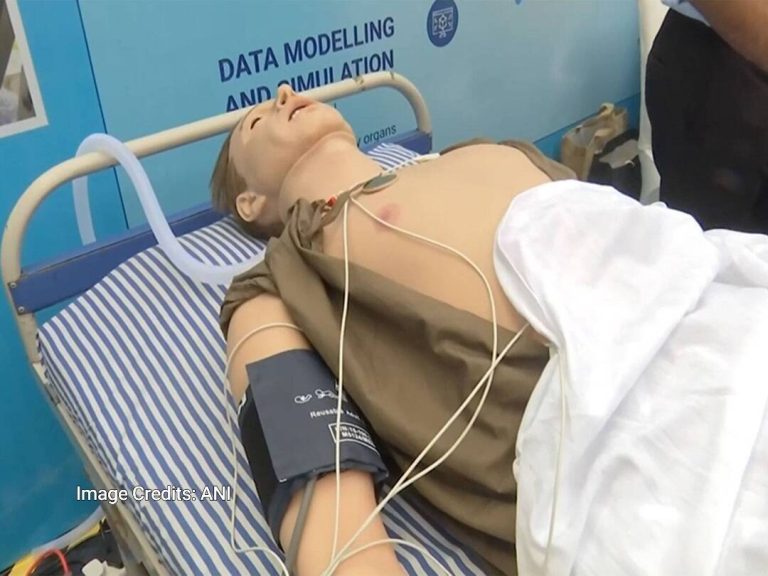
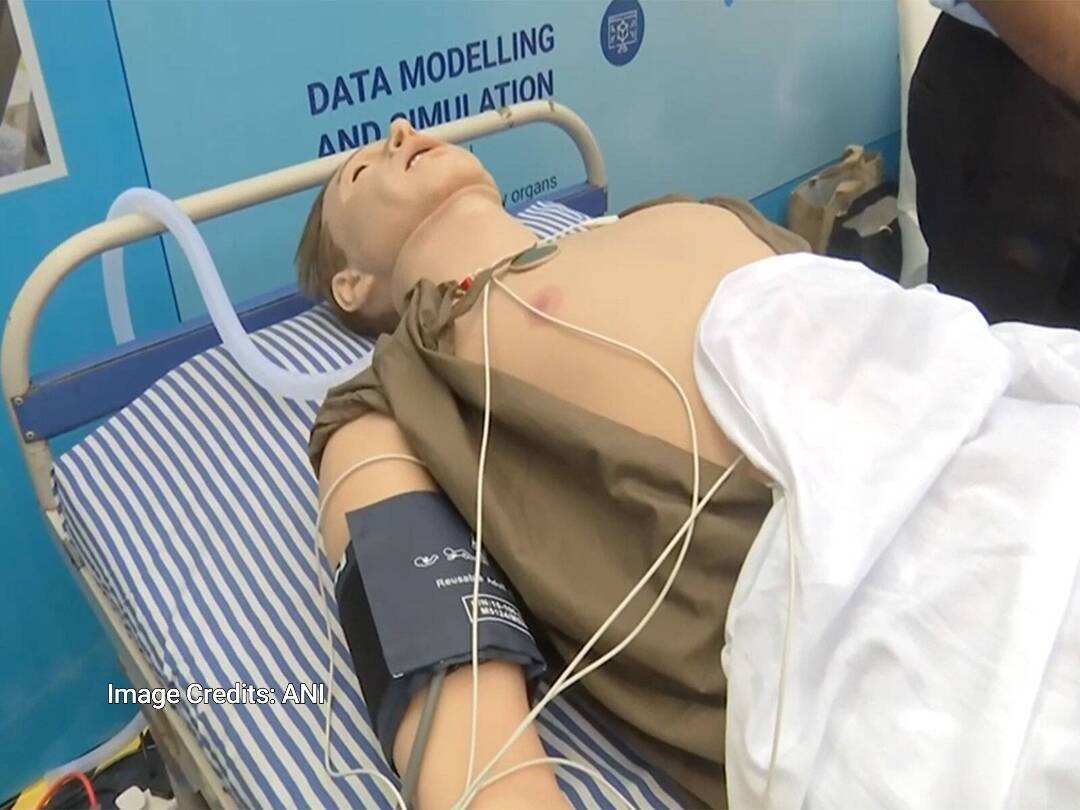
In a groundbreaking development, the Indian Institute of Technology (IIT) Indore has created an AI-powered human-like replica that can be used to detect diseases in the human body. According to a report by ANI, this revolutionary innovation can imitate basic human functions like blinking and breathing, making it an invaluable tool for medical professionals. The replica can aid in the identification of disease patterns in different organs, enabling doctors to diagnose and prevent diseases at an early stage.
The AI-powered human-like replica is a significant breakthrough in the field of medical technology. By mimicking human functions, it can help doctors understand the progression of diseases and develop more effective treatment plans. The replica can be used to simulate various scenarios, allowing medical professionals to test and refine their diagnosis and treatment strategies. This can lead to better patient outcomes and improved healthcare services.
One of the key benefits of this technology is its potential to aid in early diagnosis. By detecting diseases at an early stage, doctors can intervene promptly, reducing the risk of complications and improving treatment outcomes. The AI-powered replica can help identify patterns and anomalies in the human body, enabling medical professionals to make more accurate diagnoses. This can be particularly useful in the diagnosis of complex diseases, where symptoms may be subtle or difficult to detect.
The AI-powered human-like replica can also be used to train medical students and professionals. By simulating real-life scenarios, it can help them develop their diagnostic and treatment skills, preparing them for a wide range of medical situations. This can be particularly useful in rural or underserved areas, where access to medical training and resources may be limited.
Another significant advantage of this technology is its potential to reduce the need for invasive procedures. By simulating human functions and disease patterns, the AI-powered replica can help doctors diagnose and treat diseases without the need for costly and invasive tests. This can reduce the risk of complications and improve patient comfort, making healthcare services more accessible and affordable.
The development of the AI-powered human-like replica is a testament to the innovative spirit of IIT Indore. The institution has a strong reputation for excellence in research and development, and this breakthrough is a significant addition to its portfolio. The technology has the potential to revolutionize the field of medicine, enabling doctors to diagnose and treat diseases more effectively.
The use of AI in healthcare is a rapidly growing field, with significant potential to improve patient outcomes and healthcare services. The development of the AI-powered human-like replica is a significant milestone in this journey, demonstrating the potential of AI to transform the healthcare sector. As the technology continues to evolve, we can expect to see even more innovative applications of AI in healthcare, from diagnosis and treatment to patient care and management.
In conclusion, the development of the AI-powered human-like replica by IIT Indore is a significant breakthrough in the field of medicine. By simulating human functions and disease patterns, it can aid in early diagnosis, treatment, and prevention of diseases. The technology has the potential to revolutionize the healthcare sector, enabling doctors to diagnose and treat diseases more effectively. As we continue to push the boundaries of medical technology, we can expect to see even more innovative applications of AI in healthcare, improving patient outcomes and healthcare services.
About the Author