IIT Indore creates AI human replica to help detect diseases
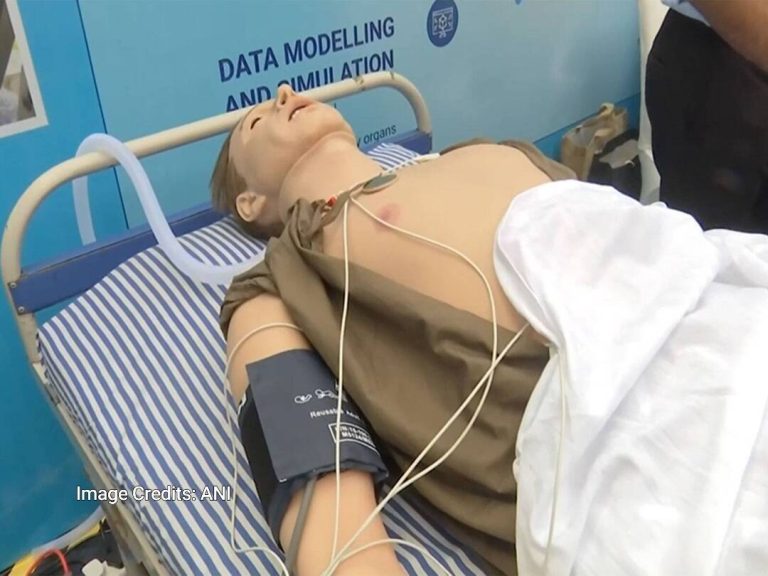
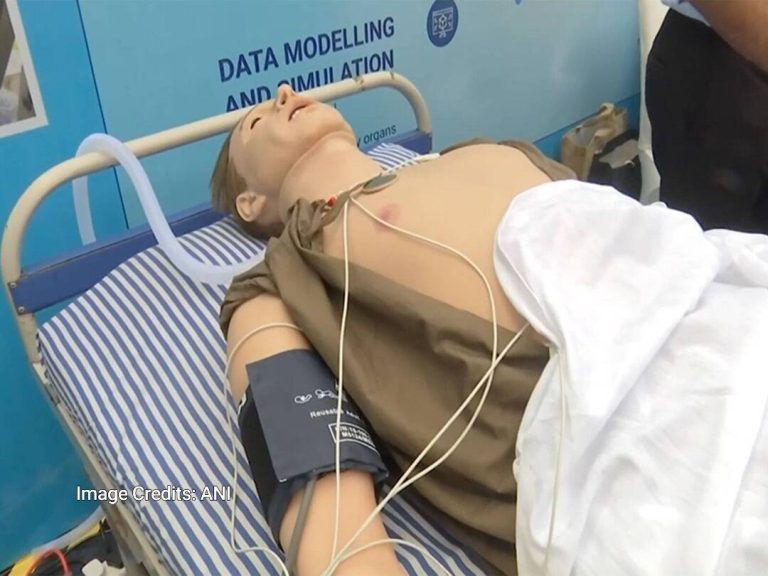
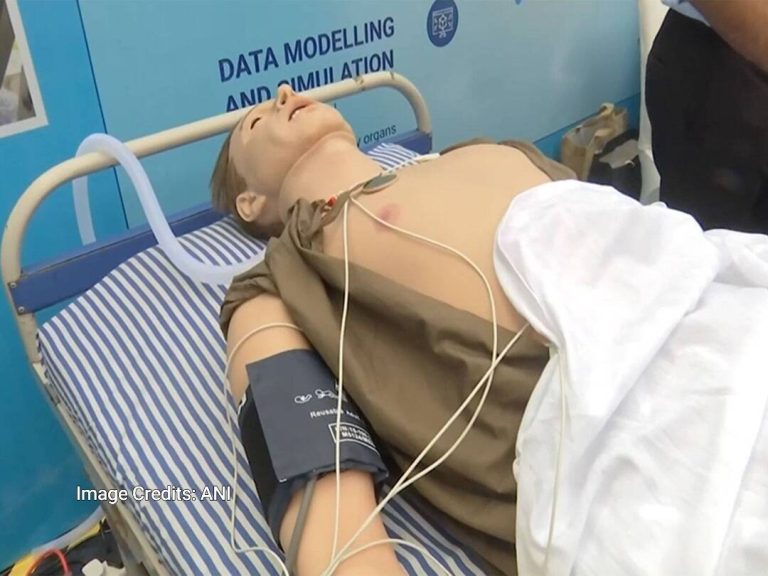
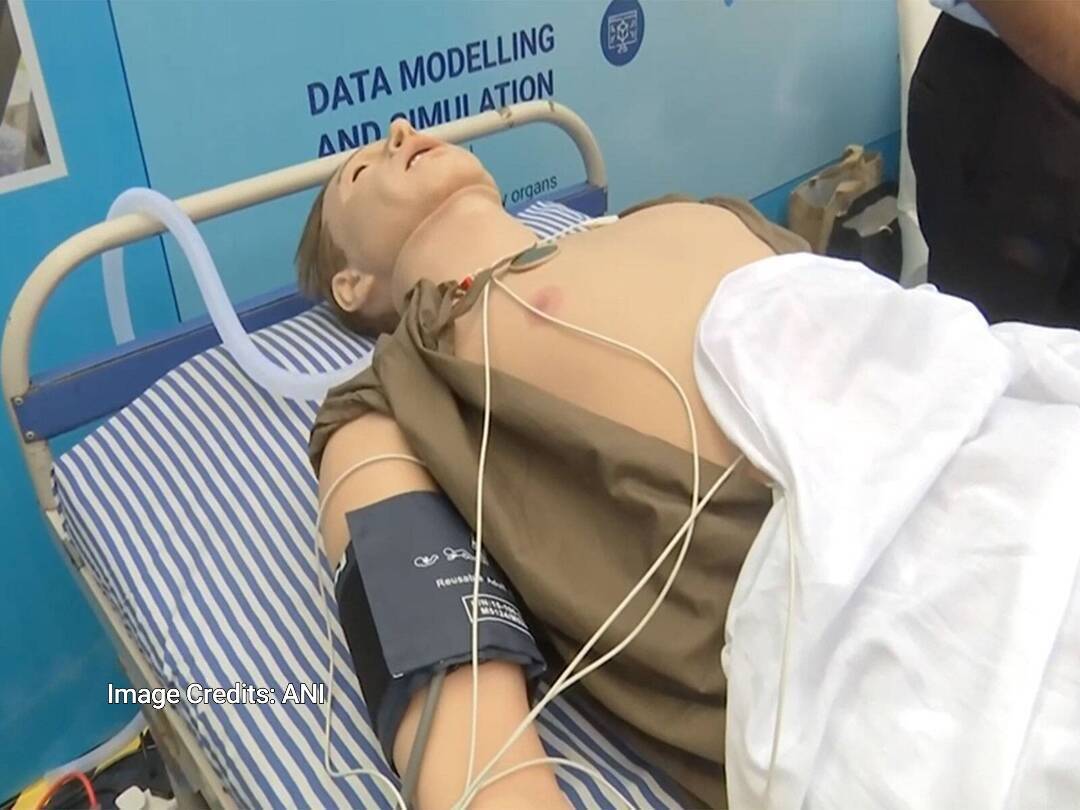
The Indian Institute of Technology (IIT) Indore has made a groundbreaking achievement in the field of medical technology by developing an AI-powered human-like replica. According to a report by ANI, this innovative replica can mimic basic human functions such as blinking and breathing, making it an invaluable tool for detecting diseases in the human body. The AI-powered robot is designed to aid doctors in identifying patterns of diseases in different organs, thereby facilitating early and preventive diagnosis.
The development of this AI human replica is a significant milestone in the field of medical research, as it has the potential to revolutionize the way diseases are detected and treated. The replica’s ability to simulate human-like functions allows it to mimic the symptoms of various diseases, enabling doctors to study and understand the progression of these diseases in a more realistic and accurate manner. This can lead to the development of more effective treatment plans and improved patient outcomes.
One of the most significant advantages of this AI-powered replica is its ability to aid in early diagnosis. Many diseases, such as cancer, cardiovascular disease, and neurological disorders, can be effectively treated if detected early. However, early diagnosis can be challenging, as symptoms may be subtle or non-existent in the early stages. The AI human replica can help doctors identify patterns of disease progression, enabling them to detect diseases at an early stage, even before symptoms become apparent.
The AI-powered replica can also be used to test the effectiveness of different treatments and medications. By simulating the progression of a disease, doctors can test the efficacy of various treatment options and identify the most effective ones. This can help reduce the time and cost associated with clinical trials, making it possible to bring new treatments to market more quickly.
Another significant benefit of the AI human replica is its ability to provide personalized medicine. The replica can be programmed to simulate the characteristics of an individual patient, allowing doctors to tailor treatment plans to the specific needs of that patient. This personalized approach to medicine can lead to more effective treatment outcomes and improved patient satisfaction.
The development of the AI human replica is also expected to have a significant impact on medical education. The replica can be used to train medical students and residents, allowing them to practice and hone their skills in a realistic and safe environment. This can help reduce the risk of medical errors and improve patient safety.
The AI-powered replica is also expected to have a significant impact on the field of telemedicine. With the increasing demand for remote healthcare services, the replica can be used to provide patients with personalized care and treatment plans, regardless of their location. The replica can be used to simulate patient interactions, allowing doctors to remotely monitor patient progress and adjust treatment plans as needed.
In addition to its potential applications in disease diagnosis and treatment, the AI human replica can also be used to study the human body and its functions. The replica can be used to simulate various physiological processes, such as blood circulation, respiration, and digestion, allowing researchers to gain a deeper understanding of the human body and its complexities.
The development of the AI human replica is a testament to the innovative spirit and capabilities of the researchers at IIT Indore. The institute has a strong reputation for producing cutting-edge research and technologies, and this latest achievement is a significant addition to its portfolio.
In conclusion, the AI-powered human-like replica developed by IIT Indore has the potential to revolutionize the field of medical technology. Its ability to simulate human-like functions and aid in disease detection makes it an invaluable tool for doctors and researchers. As the technology continues to evolve, we can expect to see significant advancements in the field of medicine, leading to improved patient outcomes and more effective treatment plans.
About the Author