IIT Indore creates AI human replica to help detect diseases
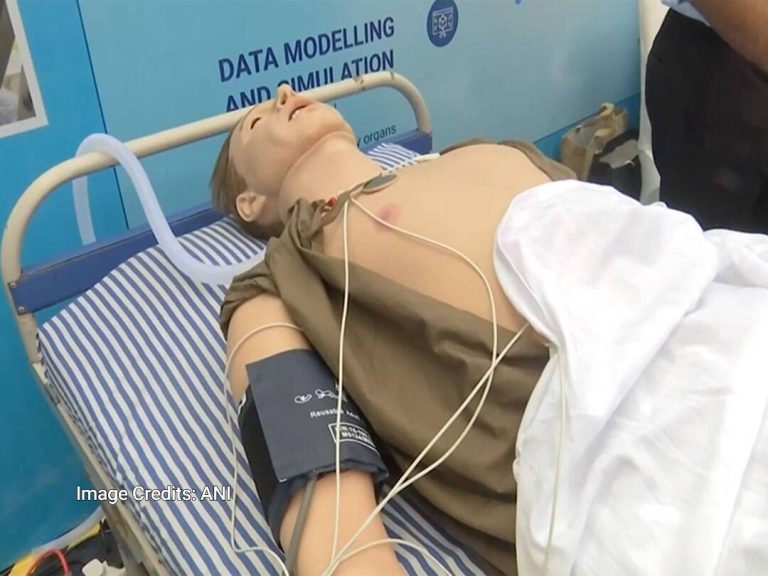
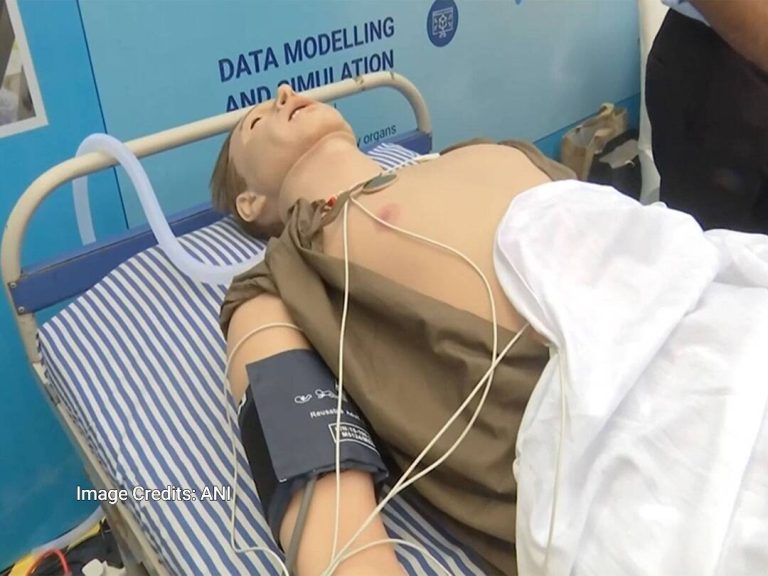
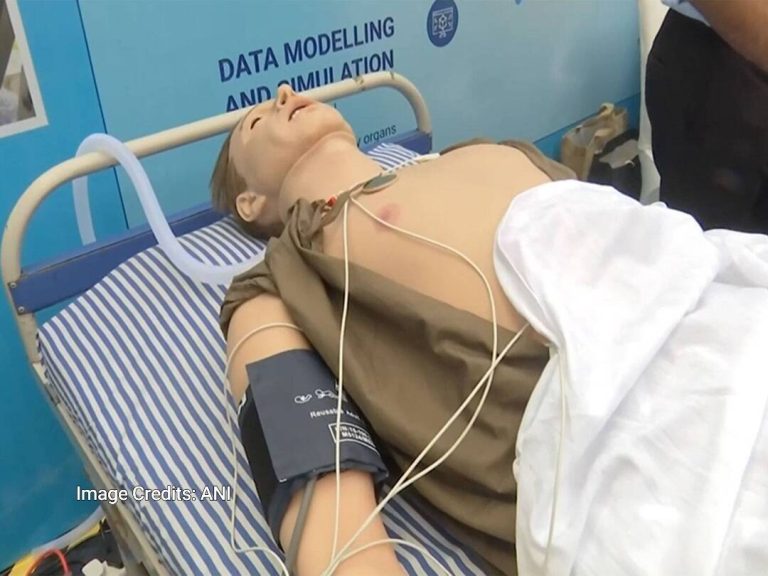
In a groundbreaking development, the Indian Institute of Technology (IIT) Indore has successfully created an AI-powered human-like replica that can aid in the detection of diseases in the human body. This innovative technology has the potential to revolutionize the field of medicine, enabling doctors to identify diseases at an early stage and provide preventive care. According to a report by ANI, the AI-powered replica can mimic basic human functions such as blinking and breathing, making it an invaluable tool for medical research and diagnosis.
The AI-powered human-like replica is equipped with advanced technology that allows it to simulate various human functions, including cardiovascular, respiratory, and neurological systems. This enables doctors to study the patterns of diseases in different organs and develop more effective treatment plans. The replica can also be used to test new drugs and medical procedures, reducing the need for human trials and minimizing the risk of adverse reactions.
One of the most significant advantages of the AI-powered replica is its ability to aid in early and preventive diagnosis. By simulating human functions and disease patterns, doctors can identify potential health risks before they become severe. This can lead to timely interventions, reducing the burden on healthcare systems and improving patient outcomes. The replica can also be used to educate medical students and professionals, providing them with a realistic and interactive learning experience.
The development of the AI-powered human-like replica is a testament to the ingenuity and innovation of the researchers at IIT Indore. The team has worked tirelessly to create a sophisticated system that can mimic human functions with remarkable accuracy. The replica is equipped with advanced sensors and algorithms that enable it to respond to various stimuli, making it an incredibly realistic simulation of the human body.
The potential applications of the AI-powered replica are vast and varied. It can be used to study the effects of diseases such as cancer, diabetes, and cardiovascular disease, allowing doctors to develop more effective treatment plans. The replica can also be used to test new medical devices and equipment, ensuring that they are safe and effective before they are used on human patients.
In addition to its medical applications, the AI-powered replica can also be used in other fields such as education and research. It can be used to teach anatomy and physiology to medical students, providing them with a unique and interactive learning experience. The replica can also be used to conduct research on human behavior and psychology, enabling scientists to gain a deeper understanding of the complex interactions between the human body and mind.
The development of the AI-powered human-like replica is a significant milestone in the field of artificial intelligence and medicine. It demonstrates the potential of AI to transform healthcare, enabling doctors to provide more effective and personalized care to their patients. As the technology continues to evolve, we can expect to see even more innovative applications of AI in medicine, from diagnostic tools to personalized treatment plans.
In conclusion, the AI-powered human-like replica developed by IIT Indore is a groundbreaking innovation that has the potential to revolutionize the field of medicine. Its ability to simulate human functions and disease patterns makes it an invaluable tool for medical research and diagnosis. As the technology continues to advance, we can expect to see significant improvements in healthcare outcomes and a reduction in the burden on healthcare systems. With its potential to aid in early and preventive diagnosis, the AI-powered replica is a testament to the power of innovation and technology to transform human lives.
About the Author