IIT Indore creates AI human replica to help detect diseases
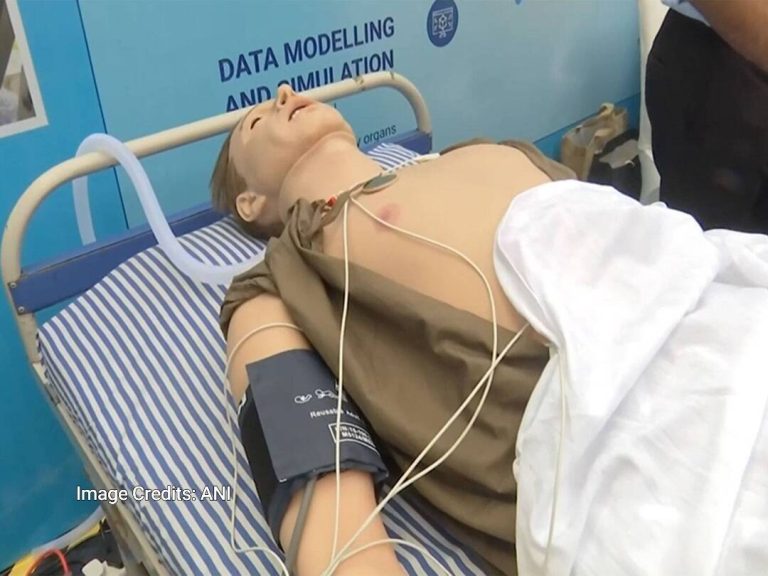
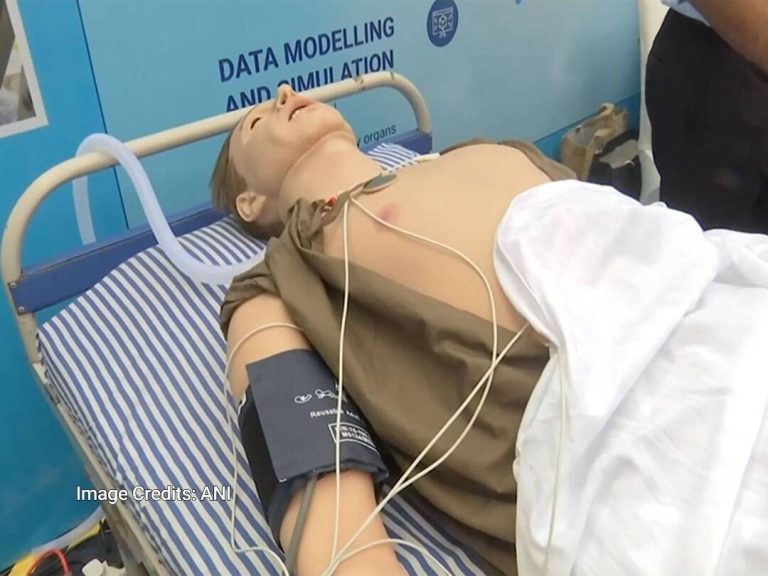
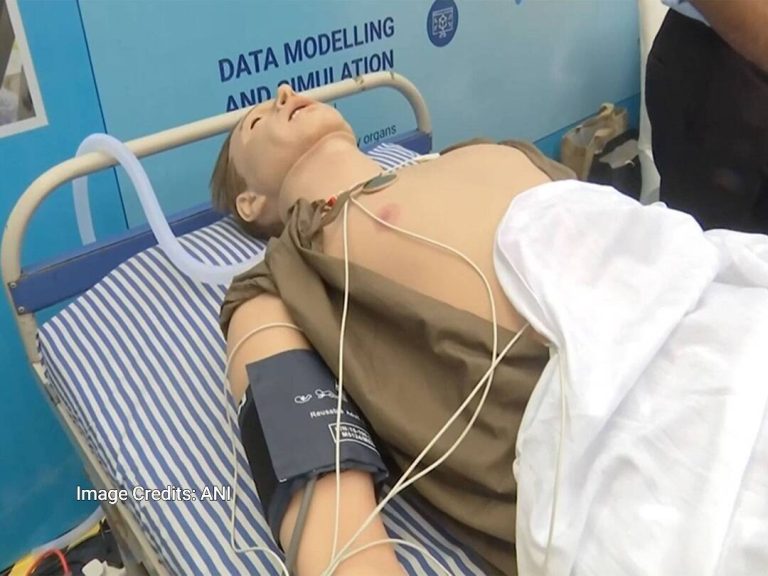
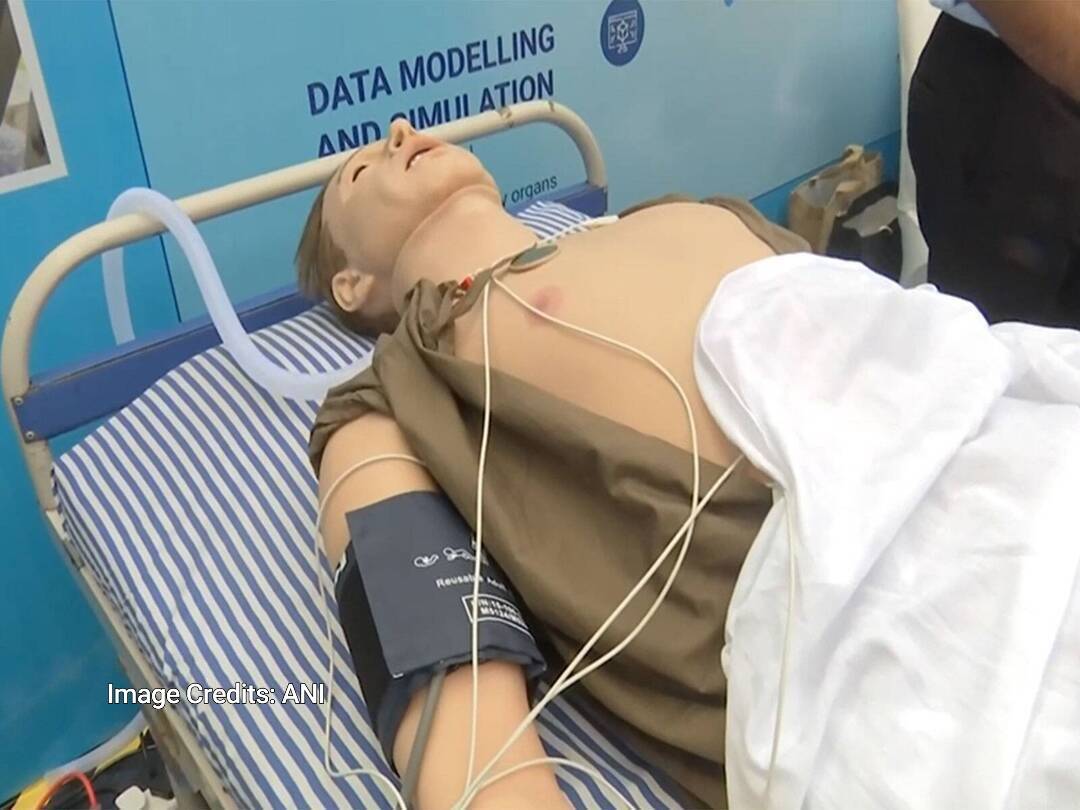
In a groundbreaking development, the Indian Institute of Technology (IIT) Indore has successfully created an AI-powered human-like replica that can be used to detect diseases in the human body. This innovative technology has been designed to mimic basic human functions, such as blinking and breathing, while assisting in the identification of disease patterns in different organs. The AI robot can potentially aid doctors in early and preventive diagnosis, revolutionizing the field of medicine.
The AI-powered human-like replica is a significant breakthrough in the field of artificial intelligence and healthcare. The replica is equipped with advanced algorithms and sensors that allow it to simulate human-like functions, making it an ideal tool for medical research and diagnosis. The technology can be used to study the behavior of diseases in different organs, allowing doctors to identify patterns and develop more effective treatment plans.
One of the primary advantages of the AI-powered human-like replica is its ability to mimic human-like functions, such as blinking and breathing. This allows the replica to simulate the natural processes of the human body, making it an ideal tool for studying the behavior of diseases. The replica can also be programmed to simulate different scenarios, allowing doctors to test and refine their treatment plans.
The AI robot can be used to detect diseases in various organs, including the heart, lungs, and brain. The technology can be used to study the behavior of diseases such as cancer, diabetes, and cardiovascular disease, allowing doctors to identify patterns and develop more effective treatment plans. The replica can also be used to test new treatments and medications, reducing the need for human trials and minimizing the risk of adverse reactions.
The development of the AI-powered human-like replica is a significant milestone in the field of healthcare. The technology has the potential to revolutionize the way doctors diagnose and treat diseases, allowing for earlier and more effective interventions. The replica can also be used to educate medical students and professionals, providing a realistic and interactive learning experience.
The AI-powered human-like replica is also equipped with advanced data analytics capabilities, allowing it to process large amounts of data and provide insights into disease patterns. The technology can be used to analyze data from various sources, including medical records, genetic profiles, and lifestyle habits. This allows doctors to identify high-risk patients and develop personalized treatment plans.
The development of the AI-powered human-like replica is a testament to the power of innovation and collaboration. The project was led by a team of researchers from IIT Indore, who worked closely with medical professionals and industry experts to develop the technology. The project demonstrates the potential for collaboration between academia, industry, and healthcare to drive innovation and improve patient outcomes.
In conclusion, the AI-powered human-like replica developed by IIT Indore is a significant breakthrough in the field of healthcare. The technology has the potential to revolutionize the way doctors diagnose and treat diseases, allowing for earlier and more effective interventions. The replica can also be used to educate medical students and professionals, providing a realistic and interactive learning experience. As the technology continues to evolve, it is likely to have a profound impact on the field of medicine, improving patient outcomes and saving lives.
About the Author