IIT Indore creates AI human replica to help detect diseases
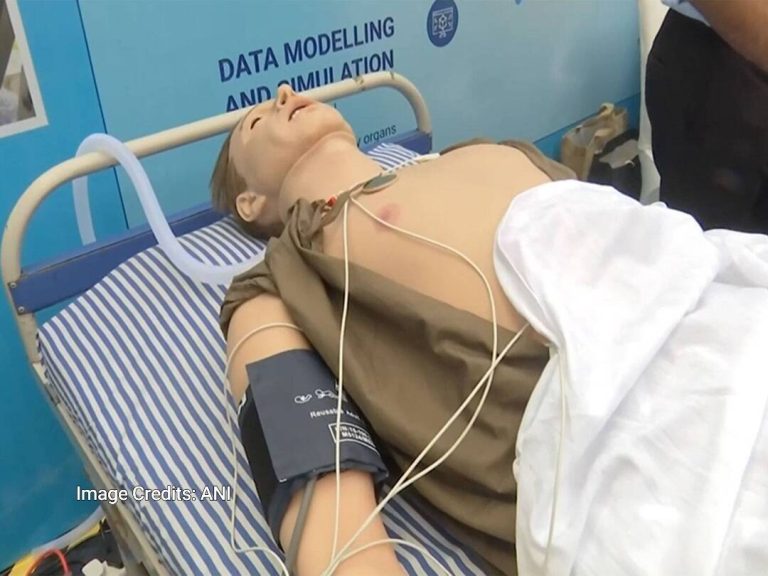
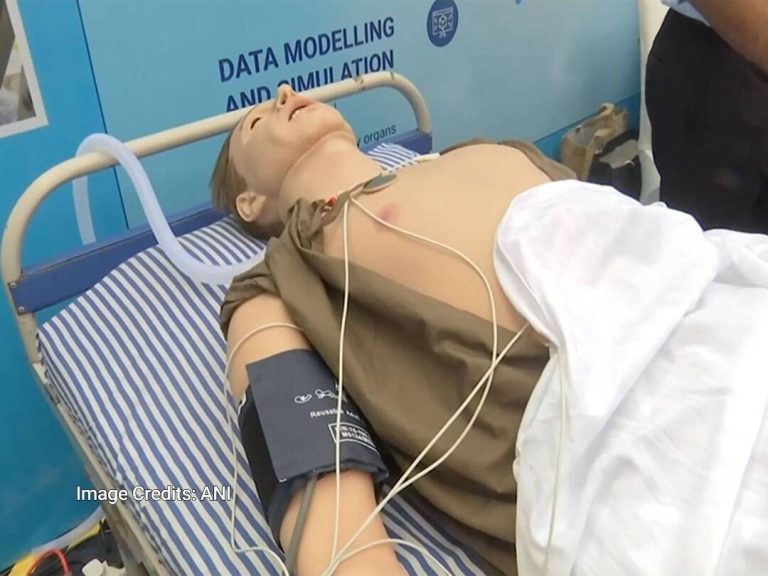
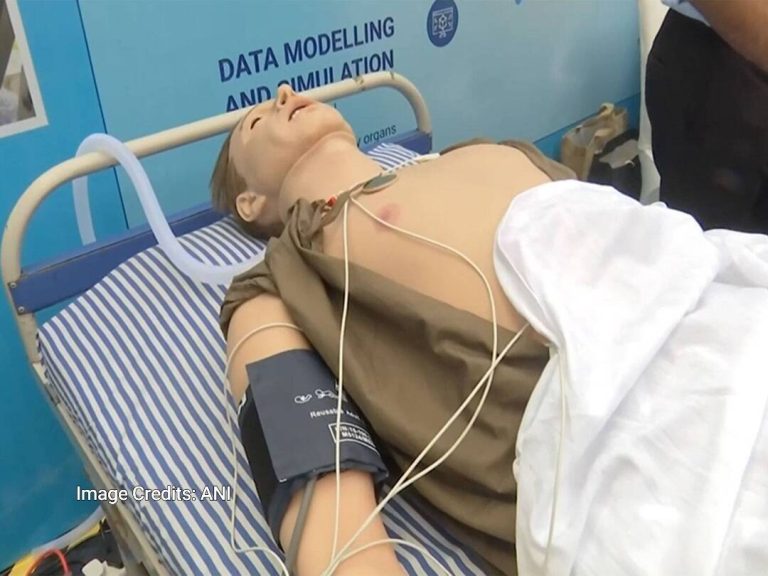
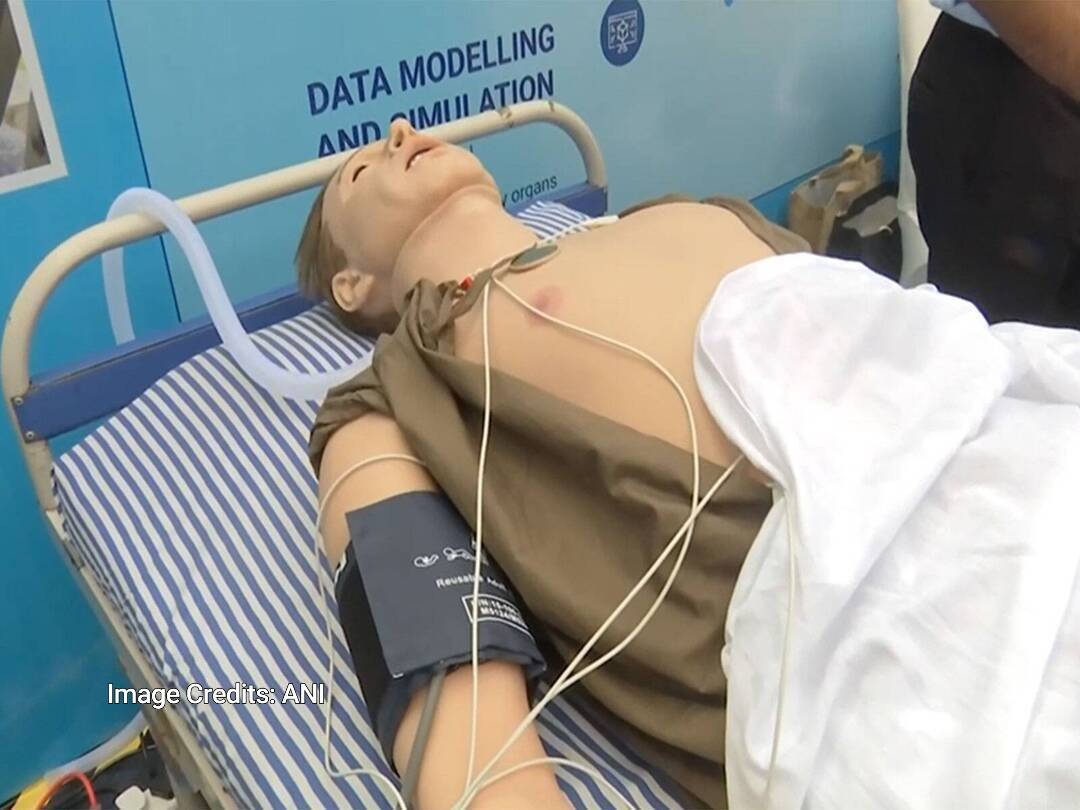
In a groundbreaking development, the Indian Institute of Technology (IIT) Indore has successfully created an AI-powered human-like replica that can aid in the detection of diseases in the human body. This innovative technology has the potential to revolutionize the medical field by enabling early and preventive diagnosis, thereby saving countless lives. According to a report by ANI, the replica is capable of mimicking basic human functions such as blinking and breathing, making it an incredibly realistic and effective tool for medical professionals.
The AI-powered human-like replica is a significant breakthrough in the field of artificial intelligence and medicine. By replicating the human body’s functions, the robot can help doctors identify patterns of diseases in different organs, allowing for more accurate and timely diagnoses. This technology has the potential to transform the way doctors approach disease detection, enabling them to provide more effective treatment and care for their patients.
One of the most significant advantages of this technology is its ability to aid in early diagnosis. Many diseases, if detected early, can be treated and managed more effectively, improving patient outcomes and reducing the risk of complications. The AI-powered human-like replica can help doctors identify subtle changes in the body’s functions, which may indicate the presence of a disease. By detecting these changes early, doctors can take proactive steps to prevent the disease from progressing, reducing the risk of serious health consequences.
The replica’s ability to mimic human functions such as blinking and breathing also makes it an invaluable tool for medical research. By studying the replica’s functions, researchers can gain a deeper understanding of how the human body works, allowing them to develop new treatments and therapies for a range of diseases. Additionally, the replica can be used to test new medical devices and equipment, reducing the need for human trials and minimizing the risk of adverse reactions.
The development of the AI-powered human-like replica is also a testament to the growing importance of artificial intelligence in the medical field. AI has the potential to revolutionize healthcare, enabling doctors to provide more personalized and effective care for their patients. By analyzing vast amounts of medical data, AI algorithms can identify patterns and trends that may not be apparent to human doctors, allowing for more accurate diagnoses and treatments.
Furthermore, the use of AI in medicine can also help reduce healthcare costs. By enabling early diagnosis and preventive care, AI can help reduce the need for costly treatments and interventions. Additionally, AI can help streamline clinical workflows, reducing the administrative burden on doctors and allowing them to focus on providing high-quality patient care.
The development of the AI-powered human-like replica by IIT Indore is a significant achievement that highlights the institution’s commitment to innovation and excellence. The institute’s researchers and engineers have worked tirelessly to develop this technology, and their efforts have the potential to make a significant impact on the medical field.
In conclusion, the AI-powered human-like replica developed by IIT Indore is a groundbreaking technology that has the potential to revolutionize the medical field. By enabling early and preventive diagnosis, this technology can help save countless lives and improve patient outcomes. As AI continues to play an increasingly important role in healthcare, it is exciting to think about the potential applications and innovations that this technology may bring. With its ability to mimic human functions and aid in disease detection, the AI-powered human-like replica is an invaluable tool that is sure to make a significant impact on the medical field.
About the Author