IIT Indore creates AI human replica to help detect diseases
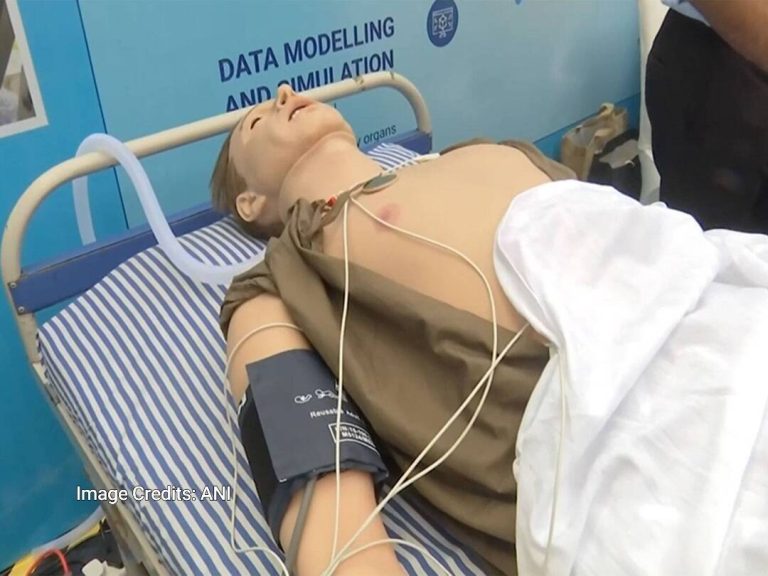
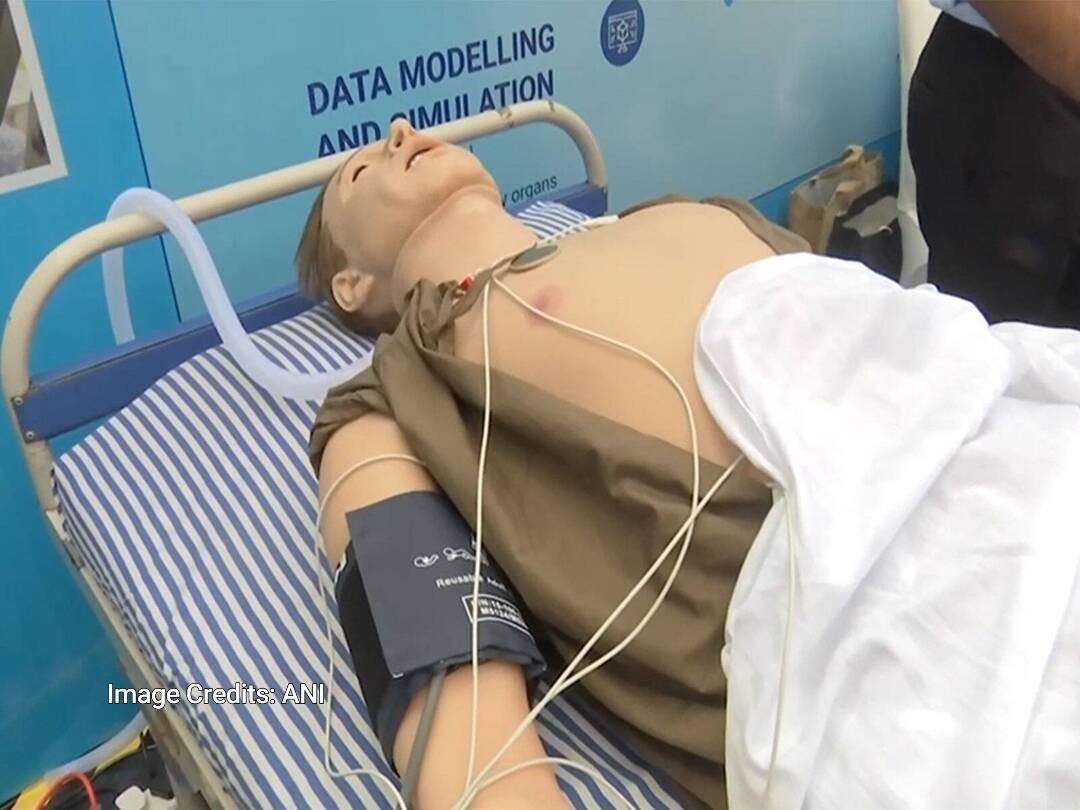
In a groundbreaking achievement, the Indian Institute of Technology (IIT) Indore has developed an artificial intelligence (AI)-powered human-like replica that can aid in the detection of diseases in the human body. This innovative technology has the potential to revolutionize the field of medicine, enabling doctors to identify diseases at an early stage and provide preventive care. According to a report by ANI, the AI-powered replica can mimic basic human functions such as blinking and breathing, making it an invaluable tool for medical professionals.
The human-like replica, powered by advanced AI algorithms, can simulate various bodily functions, allowing doctors to study the patterns of diseases in different organs. This can help medical professionals to identify the early warning signs of diseases, enabling them to take preventive measures and provide targeted treatment. The AI robot can be used to detect a wide range of diseases, from cardiovascular disorders to neurological conditions, and can even aid in the diagnosis of complex conditions such as cancer.
One of the significant advantages of this technology is its ability to provide a realistic simulation of human bodily functions. The replica can blink, breathe, and even mimic the beating of the heart, making it an extremely realistic model for medical professionals to study and practice on. This can help doctors to develop their skills and knowledge, enabling them to provide better care for their patients. Additionally, the AI-powered replica can be used to test new treatments and medications, reducing the need for human trials and minimizing the risk of adverse reactions.
The development of this technology is a testament to the innovative spirit of IIT Indore and its commitment to advancing the field of medicine. The institute has been at the forefront of research and development in AI and machine learning, and this latest achievement is a significant milestone in its journey. The AI-powered human-like replica has the potential to transform the way medical professionals diagnose and treat diseases, and its impact is likely to be felt across the healthcare sector.
The use of AI in medicine is not new, but the development of a human-like replica is a significant breakthrough. AI has been used in various medical applications, from diagnostic imaging to personalized medicine, but this technology takes it to a whole new level. The ability to simulate human bodily functions and detect diseases in a realistic and accurate manner is a game-changer, and it has the potential to save countless lives.
The AI-powered replica can also be used to educate medical students and professionals, providing them with a realistic and interactive learning experience. The replica can be used to simulate various medical scenarios, allowing students to practice and develop their skills in a safe and controlled environment. This can help to improve the quality of medical care, reducing the risk of errors and adverse reactions.
In addition to its potential to improve medical care, the AI-powered replica can also help to reduce healthcare costs. By enabling doctors to detect diseases at an early stage, the replica can help to prevent the need for costly treatments and interventions. This can help to reduce the financial burden on patients and healthcare systems, making medical care more accessible and affordable.
The development of the AI-powered human-like replica is a significant achievement, and it has the potential to transform the field of medicine. The technology has been developed by a team of researchers at IIT Indore, who have worked tirelessly to create a realistic and accurate model of the human body. The team has used advanced AI algorithms and machine learning techniques to develop the replica, which can simulate various bodily functions and detect diseases in a realistic and accurate manner.
The AI-powered replica is a significant breakthrough in the field of medicine, and it has the potential to save countless lives. The technology can be used to detect a wide range of diseases, from cardiovascular disorders to neurological conditions, and can even aid in the diagnosis of complex conditions such as cancer. The replica can also be used to educate medical students and professionals, providing them with a realistic and interactive learning experience.
In conclusion, the development of the AI-powered human-like replica by IIT Indore is a significant achievement that has the potential to transform the field of medicine. The technology can aid in the detection of diseases, provide a realistic and interactive learning experience for medical professionals, and reduce healthcare costs. As the technology continues to evolve and improve, it is likely to have a significant impact on the healthcare sector, enabling doctors to provide better care for their patients and improving health outcomes.
About the Author